
Elbow Injuries - What you need to know
All about the Elbow Surgery
Damage to the elbow may happen due to wear and tear from sport activities, or physical traumas like fractures causing ligament injuries to the elbow. In some of these cases, the damage might be severe enough to affect one's daily mobility and quality of life, and does not heal on its own. In these cases, elbow surgeries might be necessary to minimize the disruptions to daily activities.
In this article, we share with you what you need to know about Knee Replacements.
Table of contents:
1. Understanding the Elbow
2. How Elbow Injuries occur
3. When is Elbow Surgery required?
4. Conclusion
Understanding the Elbow
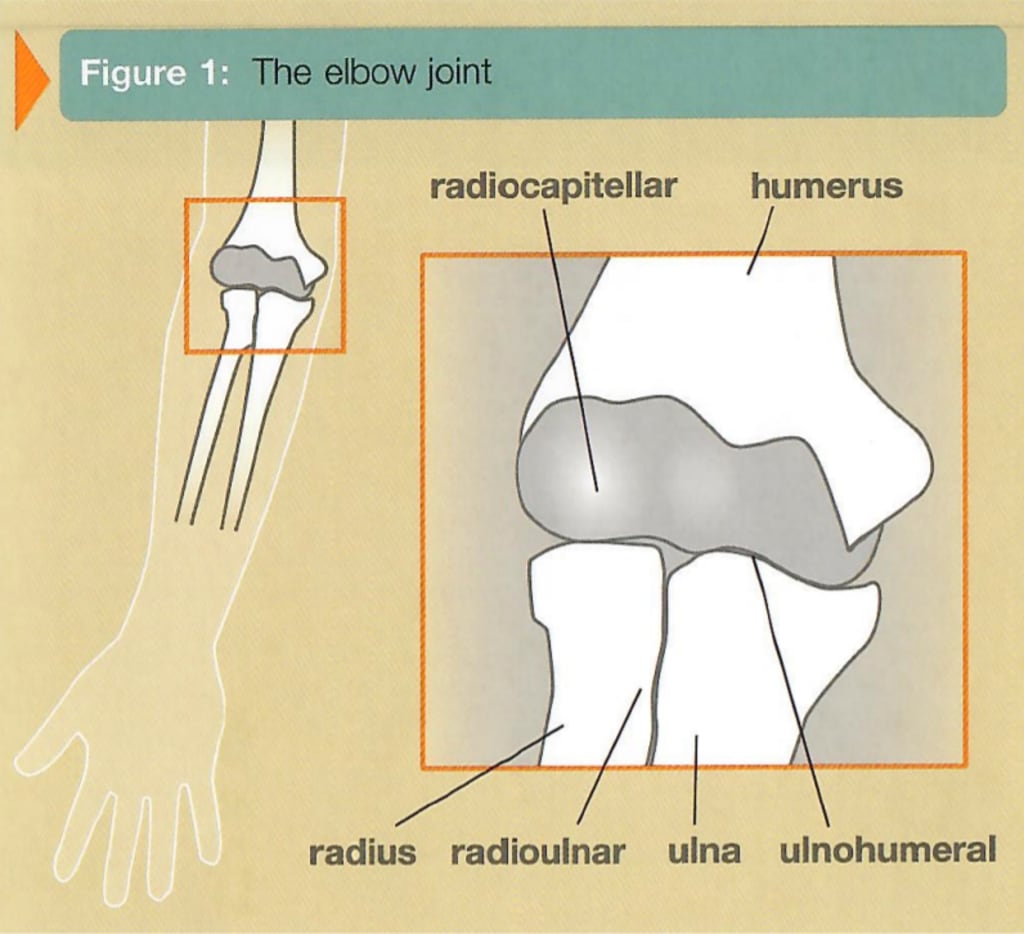
The elbow is a hinge joint comprised of 3 bones - humerus, radius and ulna. Ligaments hold the bones together to provide stability to the joint. There are tendons that attach the muscles to the bones around the elbow, and together help to provide force to move the bones and perform activities.
When any of the components are damaged i.e. muscles, tendons and including the nerves (e.g. ulnar nerve) which are affiliated with them, the patient experiences pain.
Additionally, the surfaces of the elbow joint are covered by a smooth elastic soft tissue called cartilage.
The cartilage allows the joint surfaces to glide smoothly and painlessly against each other. Damage to that cartilage is called osteoarthritis of the elbow joint, or elbow arthritis.
How Elbow Injuries occur
Elbow injuries may occur due to:
• Physical trauma like fractures
• Overuse of the elbow through repetitive motions
• Wear and Tear
Repetitive motions such as bending and straightening can lead to strain on the elbow. This may be part of sports injuries, from work or even hobbies.
Symptoms and Diagnosis of Elbow Injuries
Patients with elbow injuries can present with symptoms like:
• Ache at the elbow (either inside or outside, in severe cases a burning pain)
• Weaker grip
• Swelling and pain
• Limited elbow range of motion
Tennis elbow and golfer elbow are two of the most common forms of elbow injuries, and is not necessarily only experienced in people who play sports.
This can sometimes be severe enough to affect one's daily mobility and quality of life, such as simple activities like mopping the floor, or carrying items. The pain may also radiate to one's lower or upper arm, or both. The diagnosis of elbow injuries is made after a thorough clinical assessment of the elbow joint. X-rays and MRI scans may also be done to confirm the diagnosis.
When is Elbow surgery required?
Most elbow pain tend to go away on its own after a few days after the inflammation subsides. However if the pain persists, or it's significant enough to affect your daily activities, you might want to consider contacting a orthopaedic clinic like us, where we have highly experienced orthopaedic surgeons ready to help you.
A thorough diagnosis of elbow pain and condition will be carried out. Patients with mild symptoms may be treated non-surgically with a course of rehabilitation. However, patients with severe symptoms such as persistent pain may be candidates for surgical treatment, in the form of knee replacement surgery.
In some patients with elbow fractures, elbow surgery is required to repair the fracture to the correct alignment. Patients with elbow arthritis, bursitis and tennis elbow may also need surgery in order to relieve their condition and elbow pain.
What are the different types of elbow surgeries available?
Different types of surgeries exist for different elbow injuries. They include:
• Synovectomy
The synovium is a membrane lining the elbow joint, lubricating it during movement. In patients with elbow arthritis, the synovium becomes inflamed and causes pain during movement. This surgical procedure involves the removal of the synovium at the elbow joint.
The rehabilitation process after the surgery is generally supervised by a physiotherapist, and consists of progressive range of motion exercises, muscle strengthening exercises, and functional therapy. The whole rehabilitation process may last to 8-12 weeks following the procedure.
• Arthroscopic Debridement
Arthroscopic debridement is a minimally invasive technique of visualizing the inside of a joint, allowing the elbow surgeon to diagnose and treat many problems of the elbow through a series of very small incisions. Because the incisions used with arthroscopy are smaller and disrupt less soft tissue than conventional open surgery, pain, swelling and stiffness are minimized, and recovery is often faster.
The rehabilitation process after the surgery is generally supervised by a physiotherapist, and consists of progressive range of motion exercises, muscle strengthening exercises, and functional therapy. The whole rehabilitation process may last to 6-8 weeks following the procedure.
• Total Elbow Arthroplasty or Replacement
Patients with damaged humerus and or ulna are replaced with artificial components. These implants do not last for many years, and so are not recommended for younger patients. A 3-4 day stay in hospital is usually required after the surgery.
The rehabilitation process after the surgery is generally supervised by a physiotherapist, and consists of progressive range of motion exercises, muscle strengthening exercises, and functional therapy. The whole rehabilitation process may last to 3-6 months following the procedure.
What happens before the surgery?
Typically 12 hours before the surgery, you would be asked to stop eating and drinking. This is to prevent regurgitation of food when general anesthesia is administered before the surgery. At the clinic, anesthesia will be administered.
What happens after the surgery?
Your elbow will be wrapped with a splint or cast after surgery, and you may experience pain from the surgical site from time to time, in which your doctor will administer painkillers for. Beside resting, a rehabilitation (or physical therapy) program will also be necessary for swift recovery of the elbow. Full recovery typically takes around 4 to 6 months, in which your physical therapist will update you on your progress after every session.
Conclusion
Most elbow pain will go away on its own, but if it is severe enough to affect your daily activities, seek medical care from an orthopaedic surgeon like us, and we'll help you to diagnose and recommend the right treatment for your elbow condition and other orthopaedic conditions to relieve any painful symptoms. At Orthohandpartners, we are ready to provide with you the quality care you require.
About the Creator
Keep reading
More stories from writers in Longevity and other communities.
Day 4 of Quitting
If this is how sobriety feels, maybe it’s better to go through life a little buzzed… this, along with other hits like, I want to kill myself, I wish I was dead, and I’m going to throw myself off a bridge have been the only thoughts on rotation these past few days. I promise myself that if, in a month, I still feel like this (‘this’ meaning despondent, full of rage, and simultaneously numb) I can go back to smoking. Until mid-February though? Nicotine is off the table.
By sleepy drafts28 days ago in Longevity
How a Cut on the Foot Led to a Dangerous Infection While Pregnant
Small injuries can become serious health risks during pregnancy Pregnancy is a time when even minor injuries can have significant consequences. A simple cut on the foot, often seen as trivial, can sometimes lead to dangerous infections, particularly during pregnancy. The combination of changes in the immune system, circulation, and hormonal shifts can make pregnant individuals more vulnerable to complications. Medical professionals emphasize that prompt attention to cuts, scrapes, and wounds is essential to prevent infections that could threaten both the mother and the baby. The Case of a Cut That Escalated Consider the story of Emma, a 28-year-old pregnant woman. While gardening, she accidentally cut her foot on a thorn. Initially, she cleaned the wound, applied a bandage, and thought little of it. However, within a few days, she noticed: Redness spreading around the cut Swelling and warmth Increasing pain Mild fever By the time she sought medical care, the infection had progressed significantly. Tests revealed a bacterial infection that required immediate treatment to prevent more severe complications. Why Pregnancy Increases Risk During pregnancy, the body undergoes several changes that make infections more dangerous: Weakened Immune Response The immune system adapts to support the developing fetus, which can reduce the body’s ability to fight off bacteria effectively. Changes in Blood Circulation Increased blood volume and changes in circulation can sometimes slow the healing process and allow infections to spread more easily. Hormonal Shifts Hormones like progesterone affect skin elasticity and tissue repair, which may make cuts more susceptible to bacteria. These factors combined mean that a small cut can quickly escalate into a serious infection if not treated promptly. Signs of Infection to Watch For Medical experts recommend that pregnant individuals pay close attention to any wound, even if it seems minor. Common warning signs include: Redness and swelling beyond the cut itself Pus or unusual discharge Warmth or throbbing pain Fever or chills Rapid spreading of the affected area If any of these symptoms appear, seeking immediate medical attention is critical to prevent further complications. Potential Complications Left untreated, infections during pregnancy can lead to serious issues for both mother and baby, including: Sepsis: A life-threatening systemic infection that can spread through the body Preterm labor: Infections can trigger early contractions Low birth weight: Maternal infections may affect fetal growth Necrotizing infections: Severe bacterial infections that destroy tissue These risks underscore the importance of treating even small injuries seriously. Steps to Prevent Infection Pregnant individuals can take practical steps to reduce the risk of infection from minor cuts: Clean the Wound Immediately Use mild soap and water to remove dirt and debris. Avoid harsh chemicals that can irritate the skin. Apply an Appropriate Dressing Cover the wound with a clean bandage and change it regularly to keep the area protected. Monitor Closely Check the cut daily for redness, swelling, or discharge. Seek Prompt Medical Advice If signs of infection appear, consult a healthcare provider immediately. Antibiotics may be prescribed, and certain medications are safe to use during pregnancy under medical supervision. Maintain General Health A balanced diet, good hydration, and proper prenatal care strengthen the immune system and support wound healing. When to Contact a Doctor Even if a cut seems minor, pregnant individuals should contact a healthcare provider if: The wound does not start healing within a couple of days Redness or swelling spreads quickly There is pus, foul odor, or discharge Fever or chills develop Early treatment can prevent serious complications and ensure both mother and baby remain safe. Lessons From Real Cases Emma’s story is not unique. Healthcare providers report numerous cases where minor injuries escalated during pregnancy due to delayed care or underestimating the risks. These examples highlight the importance of awareness and taking even small injuries seriously. Pregnancy requires extra caution because the body’s natural defenses are temporarily altered, and infections can progress more rapidly than in non-pregnant individuals. Conclusion A cut on the foot may seem minor, but during pregnancy, even small wounds can lead to dangerous infections. Changes in the immune system, circulation, and hormones increase susceptibility and can make complications more severe. Pregnant individuals should treat every cut seriously, monitor for warning signs, and seek medical attention promptly. Early action can prevent serious health risks and ensure the safety of both mother and baby. This case serves as a reminder that vigilance, care, and prompt medical consultation are essential during pregnancy—even for seemingly small injuries.
By Fiaz Ahmed 7 days ago in Longevity



Comments
There are no comments for this story
Be the first to respond and start the conversation.