
Effects of Aging on Cognitive Development
Cognitive Development
Effects of Aging on Cognitive Development
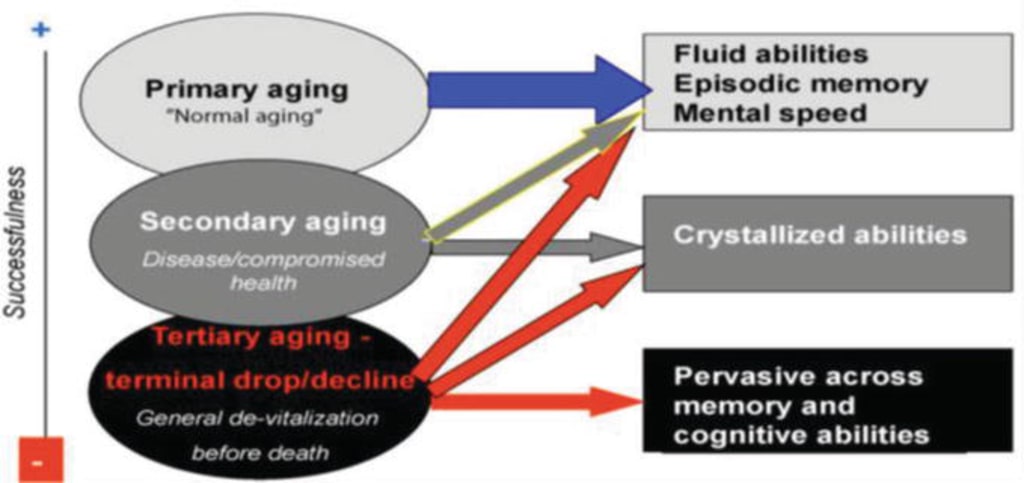
Age is not just a number it’s the most important changes in cognition where the declining in performance on cognitive tasks that require process or transforming information to make decisions. As we age, we tend to get a bit slower, this includes the process speeding of brains, a working memory, and executive cognitive functions. A normal cognitive decline with age would show subtle changes in certain cognitive areas and will vary between person to person, not everyone will decline the same way, but some examples of this include a slower pace of thinking and difficulty paying attention. Also, our age cognitive development begins to show how wise the human becomes and how little things can make a person irritable such as holding memory in the mind, multitasking, finding words, and remembering names.
Evaluate the Effects of Aging on Cognitive Development
What does cognitive aging mean when we get older? In short, it is how mental functions begin to become less nimble and flexible, and many aspects of our memory get a little worse. As age occurs to the human body, distraction is most likely to occur by our busy environments, and it takes more efforts to work through the complex problems that are arising for decisions to be made. There are a few ways that are practical for aging health in cognitive development, here are a few of these ways.
1. Take sensible steps and precautions to compensate for cognitive aging changing.
There is no need to seriously limit oneself in later life, just because the brain isn’t quite as quick and nimble as it once used to be. Older adults need more time to think through complicated decisions for the more mentally demanding conversations and decision making. It is important that avoiding noisy areas, business, and tiring environments cease. This is the most important time that needs to be allowed for our aging community as their thoughts are important to be shared.
2. Take steps to optimize and maintain brain functions.
These steps include a variety of brain-healthy activities such as giving the aging community chances to get enough sleep, exercise, no smoking, and understanding where medications can affect the concept of brain function. Here are two examples of two useful resources that provide a more detailed list of suggested actions to protect and preserve aging on cognitive development in our older adult community.
Source one: Cognitive Aging Action for individuals and Families (National Academy of Medicine). In brief, this article discusses how cognitive aging is not a disease. Cognitive aging is a process where every individual, beginning at birth and continuing throughout their life span endure. Having families involved in helping the aging community is very important to supporting cognitive health and to adapt age-related cognitive changes. The most important part is to overcome stigma and the misconceptions that might prevent the older adults from seeking resources that allows their cognitive health and overall quality of life.
Source two: A how to promote a good healthy brain. This begins with promoting brain health and emotional well-being, physical health, and addressing the most common aging problems such as falls, pain, memory problems, depression, isolation, and incontinence (Kernisan, 2020). For better brain health in aging of cognitive development, one of the biggest to avoid is brain-slowing medications. Avoiding brain-slowing medications is important because they cause short-term memory loss and linked to Alzheimer’s in the longer-term. Such problems that can also occur are anxiety, insomnia, over-active bladder, vertigo, and certain allergies that can steadily decline your capabilities of cognitive development. It’s important that getting enough sleep can help your brain, sleep-deprivation can cause irritable moods and bad thinking. Sleep is the most important part to keep our cognitive decision making going in this world and to keep our brains young and healthy.
Conclusion
As we age, we tend to get a bit slower, this includes the process speeding of brains, a working memory, and executive cognitive functions. Also, our age cognitive development begins to show how wise the human becomes and how little things can make a person irritable such as holding memory in the mind, multitasking, finding words, and remembering names. Evaluate the Effects of Aging on Cognitive Development What does cognitive aging mean when we get older? Take sensible steps and precautions to compensate for cognitive aging changing. This begins with promoting brain health and emotional well-being, physical health, and addressing the most common aging problems such as falls, pain, memory problems, depression, isolation, and incontinence. Such problems that can also occur are anxiety, insomnia, over-active bladder, vertigo, and certain allergies that can steadily decline your capabilities of cognitive development.
References
Blazer DG, Yaffe K, Liverman CT. (2015). Cognitive Aging: Progress in Understanding and Opportunities for Action. https://www.ncbi.nlm.nih.gov/books/NBK285319/ doi: 10.17226/21693
Kernisan, M. L. M. D. (2020). How to Promote Brain Health: The Healthy Aging Checklist, Part 1. Better Health While Aging. https://betterhealthwhileaging.net/brain-health-checklist-8-proven-things-healthy-aging/
About the Creator
Keep reading
More stories from writers in Longevity and other communities.
Day 4 of Quitting
If this is how sobriety feels, maybe it’s better to go through life a little buzzed… this, along with other hits like, I want to kill myself, I wish I was dead, and I’m going to throw myself off a bridge have been the only thoughts on rotation these past few days. I promise myself that if, in a month, I still feel like this (‘this’ meaning despondent, full of rage, and simultaneously numb) I can go back to smoking. Until mid-February though? Nicotine is off the table.
By sleepy drafts15 days ago in Longevity
Kratom Capsules Explained. Uses, Benefits, Dosage, and What to Expect
Kratom capsules are one of the most popular ways to use kratom. Many people choose capsules because they are easy to take, taste free, and simple to measure. If you dislike the bitter flavor of kratom powder or want a cleaner option, capsules solve that problem.
By Jack Wilder3 days ago in Longevity
Thoughts on Vocal and the way the world is
"Death cannot stop true love, only delay it." – Wesley in The Princess Bride. I decided to come back to Vocal on a very cold and dark night at the end of December. I had been, and still am, convalescing from a horrible staph infection that had gone misdiagnosed for months. This, paired with the increasing challenges of being healthy, making the best choices for my co-parented child, being a wife, and being a director at a new job, was a lot to manage.
By Jazzy 4 days ago in Confessions




Comments
There are no comments for this story
Be the first to respond and start the conversation.