
Diabetes and the Big Scary "C"
What are carbs and where are they hiding?
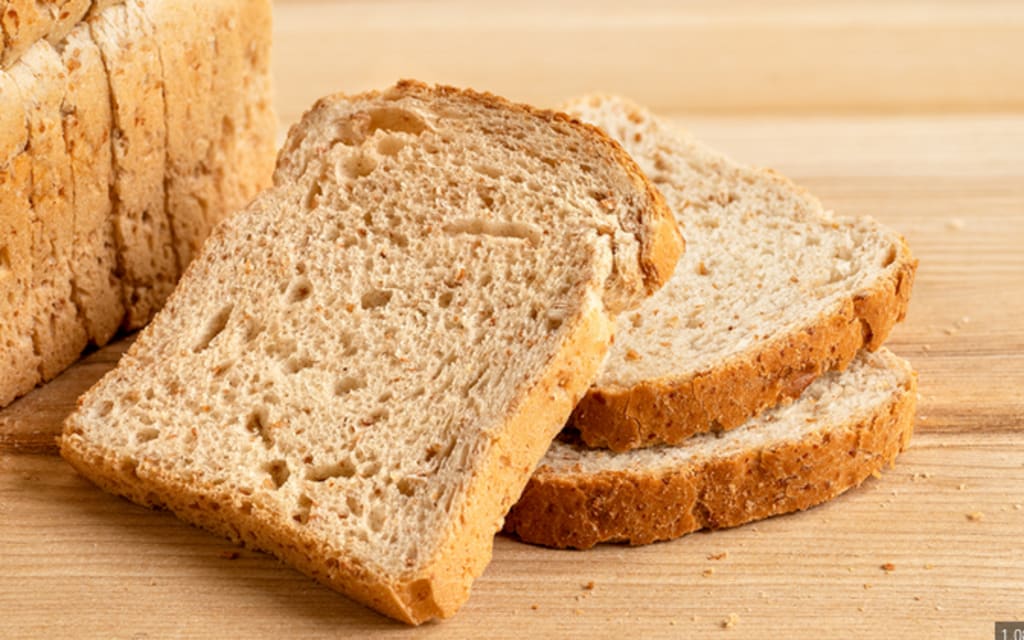
If you are a diabetic, than you know that the “C” word is a dirty word to us! That’s right, it’s carbs! The tasty things we all love, but that doesn’t love us back anymore. Those springy dinner rolls, those fluffy mashed potatoes, those bouncy cupcakes, those are all carb heavy foods. When your diabetic dietitian tells you that you need to cut down on carbs, it can seem like there's nothing left to eat any more. This feeling can be doubly strong if you're living in the US, where almost everything is carb-a-licious. I remember walking into a grocery store at the beginning of my carb cutting journey and realizing that I couldn't eat 90% of everything being sold in that store. There were whole aisles in which there wasn't a single item on the shelves that was safe for me to eat! At times the task of cutting carbs seemed really over whelming. But with some practice, know-how, and some tasty new recipes, I've found that living with less carbs really isn't so big or scary.
What Are Carbs?
Though your doctor or dietitian has probably already told you all about carbohydrates and what they do to your body when you are a diabetic, the information over load might have been a little hard to swallow. So for a quick summary, Carbs aka Carbohydrates are both sugars and things that turn into sugars in your body after you eat them. Carbs are in the obvious stuff that nearly everyone has been warned about eating, like cakes, breads, and other baked goods. It's also in pasta, rice, potatoes, beans, corn, and other grains. But there are also carbs that hide in plane sight that you might not have realized is even considered a carb heavy food.
What Do I Mean By Carbs?
There are three main macro nutrients in the food that we eat: Carbohydrates, Fats, and Proteins. When I talk about a food having high carbs or being a "Carb food" I mean that the macro nutrients in this food is mostly carbs, or is higher in carbs rather than fats or proteins. That of course, doesn't mean that a food is only carbs, every food is a combination of all three macro nutrients, it's just a question of what macro nutrients it has more of. For example: Meat is mostly protein, but there is a bit of fat and a little bit of carbs in there too. Corn is mostly carbs, but there is some fat and a little bit of protein. Butter is mostly fat, but there is some carbs and a little bit of protein. When I say that something is a "Protein", "Carb", or "Fat", I just mean that the macro nutrient is high in that food.
Where Are Carbs Hiding?
When I went to my first diabetes classes I wasn't surprised at all to hear that I needed to start trimming down my sugar and carb consumption. I was surprised to find out that so many of the foods I had thought were "Healthy" and low in sugar and carbs were actually really high in carbs! Growing up, I had always been told by many, many people giving health and nutrition advice that milk was a healthy part of a balanced diet. It was a drink filled with calcium and protein. A growing child should drink lots and lots! What could be more healthy than a big bowl of cold cereal covered in milk? As I got older, I moved away from sugary cereals and instead switched to "More Healthy" smoothies. Every health article and website gushed about the health wonders of a smoothy filled with fresh fruit, yogurt, and milk! And what did I learn at my diabetes class? That milk isn't the protein rich wonder drink I had grown up being told, it's actually quite carb heavy. Those smoothies I drank, thinking I was being sooo healthy? They were carb bombs! Milk and yogurt are high in carbs (particularly the sweetened yogurt I was eating) and fruit carries quite the carby punch too.
About the Creator
Amanda McCoy
I've been a content creator for years and have been writing even longer than that. I've written and published 2 novels and I'm currently working on 2 dark fantasy series, but my specialty is writing helpful and informative articles.
Keep reading
More stories from Amanda McCoy and writers in Longevity and other communities.
Diabetics, Don't Fear the Foreign
Being a diabetic in the US is becoming more and more common. It's not surprising that the once rare disease is now as American as apple pie, the US is a carb-a-licious country. With our love of breakfast cereals, snack cakes, chips, and soda, it should have surprised no one that we are in the world's top nations for diabetes rates. Rates that are growing every year. Strolling through any national chain grocery store in the US and you will enter a world of carbs, carbs, carbs. In fact, finding something to eat that isn't carb, sugar, or salt laden, can be quite a feat in some stores.
By Amanda McCoyabout a year ago in Longevity
Day 4 of Quitting
If this is how sobriety feels, maybe it’s better to go through life a little buzzed… this, along with other hits like, I want to kill myself, I wish I was dead, and I’m going to throw myself off a bridge have been the only thoughts on rotation these past few days. I promise myself that if, in a month, I still feel like this (‘this’ meaning despondent, full of rage, and simultaneously numb) I can go back to smoking. Until mid-February though? Nicotine is off the table.
By sleepy drafts16 days ago in Longevity
By Diverting Entire Rivers for Over a Decade, the Netherlands Has Quietly Reshaped Its Coastline and Reclaimed Vast Stretches of Land from the Sea
The Netherlands, long celebrated for its innovative water management, has quietly undertaken one of the most ambitious land reclamation projects in modern history. By diverting entire rivers for over a decade, Dutch engineers have not only reshaped the coastline but also reclaimed vast stretches of land from the sea, a feat that is transforming the country’s geography, economy, and environmental landscape.
By Fiaz Ahmed Brohi7 days ago in Longevity



Comments
There are no comments for this story
Be the first to respond and start the conversation.