
Dementia, Alzheimer’s, and Parkinson’s: What’s the Real Difference?
Ageing Issues


Though often mentioned together and commonly associated with aging, dementia, Alzheimer’s, and Parkinson’s are distinct brain disorders. They’re not a normal part of getting older, yet they are becoming increasingly prevalent in people over 65—affecting both men and women. While these conditions share some overlapping symptoms and may seem interchangeable, each has its own unique causes, characteristics, and progression. Let’s break down what sets them apart.
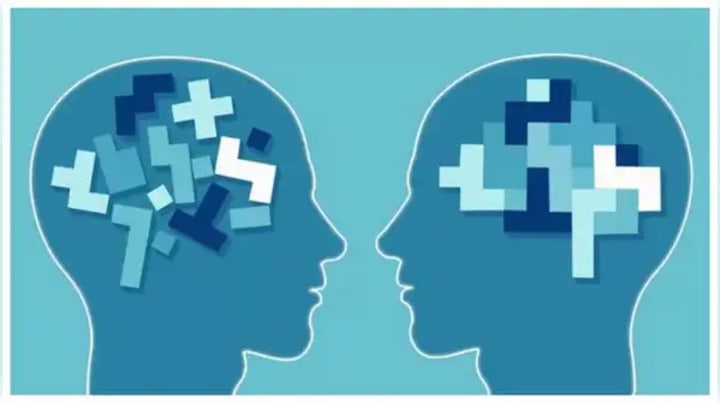
Dementia isn’t a single disease, but rather a broad term used to describe a set of symptoms that significantly impair memory, thinking, and social functioning—disrupting daily life. It occurs when brain cells becomce extensively damaged, disrupting their ability to communicate with one another. Several conditions can lead to dementia, with Alzheimer’s disease being the most common culprit, accounting for 60–80% of all cases. Parkinson’s disease can also lead to dementia in its later stages.

What is Alzheimer’s?
Alzheimer’s is a specific brain disorder and the leading cause of dementia. It typically begins with memory loss and language difficulties, such as forgetting names, familiar words, or how to carry out routine tasks. The disease is triggered by an abnormal buildup of proteins—beta-amyloid plaques and tau tangles—in the brain, which disrupts communication between brain cells and eventually leads to their death. As these changes progress, the brain shrinks, particularly in areas responsible for memory and thinking. Alzheimer’s usually develops after age 65 and gradually worsens, eventually affecting behavior, personality, and overall brain function.
What is Parkinson’s?
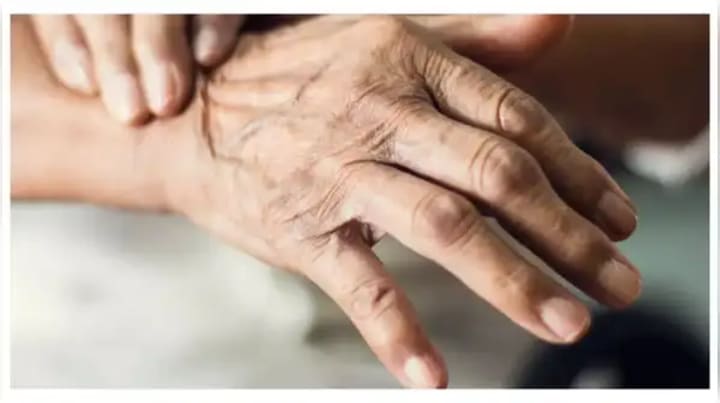
Parkinson’s disease is a neurological disorder that primarily affects a person’s ability to control movement. It often begins with symptoms such as tremors (shaking), muscle rigidity, slowed movements, and challenges with balance and coordination. The condition is caused by the gradual loss of nerve cells in the brain that produce dopamine, a chemical essential for smooth and coordinated muscle activity. Unlike Alzheimer’s, Parkinson’s typically develops a bit earlier—usually between the ages of 50 and 65. While it is mainly known for its impact on movement, many people with Parkinson’s eventually experience Parkinson’s disease dementia, which can impair memory, decision-making, thinking speed, and emotional stability. Hallucinations and delusions are also more common in this type of dementia, distinguishing it from the more memory-focused symptoms of Alzheimer’s.
Why Understanding the Difference Matters
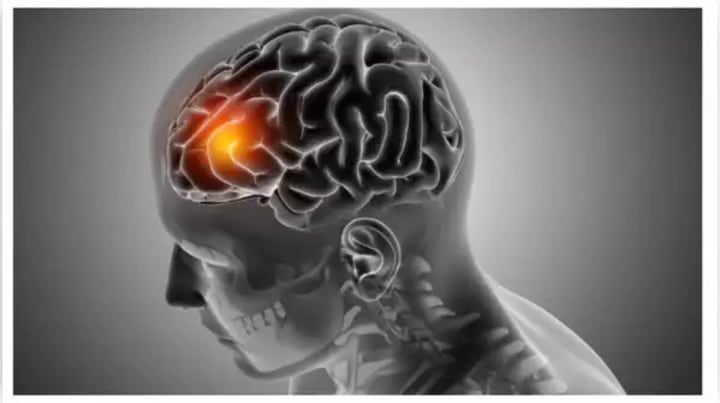
Recognizing the differences between Alzheimer’s and Parkinson’s is crucial for accurate diagnosis and effective treatment. Alzheimer’s care typically centers on supporting memory and cognitive function, while Parkinson’s treatment focuses on managing motor symptoms, with additional support for dementia if it develops later. Both conditions can also lead to challenges like depression, anxiety, and sleep disturbances—but the approaches to managing these issues may vary. Early diagnosis in either case can greatly enhance quality of life and enable families to make informed decisions about care and long-term planning.

All Brain Disorders—But Not the Same
In short, dementia refers to a collection of symptoms caused by damage to the brain, affecting memory, thinking, and behavior. Alzheimer’s disease is the most common cause of dementia, marked primarily by progressive memory loss and cognitive decline. Parkinson’s disease, on the other hand, is mainly a movement disorder that can also lead to dementia in its later stages. Understanding the unique features of each condition is essential for providing the right care, treatment, and support for those affected and their families.
About the Creator
Krishna Mohan Modekurti
Ahoy! I’m a retired ship captain who’s swapped stormy seas for the equally unpredictable tides of content creation— all with the calm of someone who’s steered a ship through chaos ( once through a floating wedding in Jakarta, long story).
Keep reading
More stories from Krishna Mohan Modekurti and writers in Longevity and other communities.
Day 4 of Quitting
If this is how sobriety feels, maybe it’s better to go through life a little buzzed… this, along with other hits like, I want to kill myself, I wish I was dead, and I’m going to throw myself off a bridge have been the only thoughts on rotation these past few days. I promise myself that if, in a month, I still feel like this (‘this’ meaning despondent, full of rage, and simultaneously numb) I can go back to smoking. Until mid-February though? Nicotine is off the table.
By sleepy drafts16 days ago in Longevity
Global Biotechnology Market Size and Forecast 2025–2033: Innovation Reshaping the Future of Science, Healthcare, and Industry
Global Biotechnology Market Outlook The global biotechnology market stands at the center of one of the most transformative scientific revolutions of the modern era. Biotechnology, which applies biological systems, organisms, and derivatives to develop products and technologies, has moved far beyond traditional laboratory research. Today, it powers breakthroughs in healthcare, agriculture, environmental protection, and industrial manufacturing, influencing how societies address some of the world’s most pressing challenges.
By Renub Researcha day ago in Longevity
The CEO of Everything
They say "jack of all trades, master of none," but they forgot to mention the part where the jack of all trades is also the camera woman, the makeup artist, and the person currently yelling at a tangled Wii microphone cable in a her own bathroom while recording herself singing and trying to make it look realistic and professional. (As professional as you can make it with nothing but a cell phone camera and a mic that doesn't work)
By Sara Wilson6 days ago in Humans


Comments
There are no comments for this story
Be the first to respond and start the conversation.