
Cultural Barriers to Therapy: How BIPOC Communities Can Access Support
Understanding the challenges and finding pathways to mental health support for diverse communities.
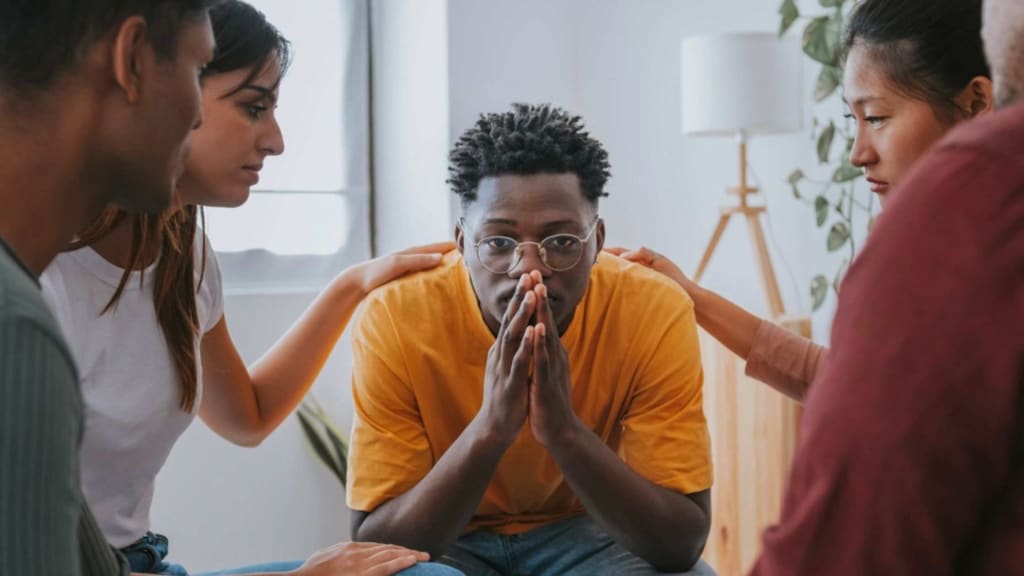
Access to therapy is a crucial aspect of mental health care, yet many BIPOC (Black, Indigenous, and People of Color) communities face significant barriers when it comes to seeking and receiving support. These obstacles can range from cultural stigma around mental health to a lack of culturally competent therapists. Understanding these barriers is essential in helping individuals from diverse backgrounds gain access to the mental health services they deserve.
The Impact of Cultural Stigma
In many BIPOC communities, there is often a deep-rooted cultural stigma associated with mental health struggles. Seeking therapy may be seen as a sign of weakness or a betrayal of cultural values, leading to feelings of shame or fear of judgment. This stigma can discourage individuals from reaching out for help, causing them to suffer in silence. The importance of mental health support needs to be emphasized within these communities, helping to break down these stigmas and normalize therapy as a tool for overall well-being.
Lack of Representation in Therapy
Another significant barrier is the lack of representation of BIPOC individuals in the mental health field. Many individuals from these communities prefer to work with therapists who understand their cultural background and experiences. However, finding a therapist who shares a similar cultural or ethnic background can be challenging. This lack of representation can make individuals feel misunderstood or disconnected during therapy, impacting their willingness to engage in treatment.
Financial and Accessibility Issues
For many in BIPOC communities, financial limitations are a major obstacle to accessing therapy. The cost of therapy can be prohibitive, especially for individuals who lack insurance or whose insurance does not cover mental health services adequately. In addition, individuals living in underserved areas may not have access to local therapy providers or specialized services, making it difficult for them to find the support they need.
Online therapy platforms have emerged as a solution to increase accessibility to mental health services, but even then, access to technology and the internet can still be a barrier for some individuals. It's important to consider these economic and geographic factors when discussing access to therapy in BIPOC communities.
The Importance of Culturally Competent Therapists
Cultural competence in therapy is vital to creating a safe and supportive environment for BIPOC individuals. A culturally competent therapist understands the unique challenges and experiences of people from different ethnic and cultural backgrounds and integrates that understanding into their therapeutic approach. This means considering cultural values, language barriers, historical trauma, and other factors that influence the client’s worldview.
Therapists who can provide culturally sensitive care are better equipped to build trust and create a comfortable space for clients to open up and address their mental health concerns. Finding the right therapist who can offer a supportive and empathetic environment can significantly improve the therapeutic experience and outcomes for BIPOC individuals.
Creating Inclusive and Accessible Therapy Services
To improve access to therapy for BIPOC communities, mental health providers must take proactive steps to create inclusive and accessible services. This can include offering services that are linguistically and culturally tailored to meet the needs of diverse populations. Additionally, offering sliding scale fees, telehealth options, and flexible scheduling can help make therapy more accessible to individuals from different socioeconomic backgrounds.
It is also important to increase diversity within the mental health workforce by encouraging people of color to pursue careers in therapy and providing scholarships or financial support for those interested in entering the field. By fostering a more inclusive and diverse mental health workforce, therapy can become more accessible to those who need it most.
Supporting BIPOC Communities in Therapy
For BIPOC individuals seeking therapy, it’s essential to understand that help is available, and it’s okay to seek support. Whether it's through individual therapy, couples therapy, or specialized therapies like EMDR therapy, the benefits of therapy can greatly improve emotional health and overall well-being. Therapy options, such as therapy for depression, therapy for anxiety, and therapy for life transitions, can provide the necessary tools and coping mechanisms to manage mental health challenges effectively.
For teens, therapy for teens can offer a safe space to express their feelings and navigate the unique pressures they face. Additionally, for individuals struggling with anger, anger management therapy can help them learn healthy ways to express emotions and build better interpersonal relationships.
While cultural barriers may exist, they can be overcome with education, resources, and a commitment to providing culturally competent and inclusive care. By advocating for better access to mental health support, we can ensure that BIPOC communities have the opportunity to seek help and improve their mental health.
At JK Counseling, we are dedicated to providing personalized and culturally sensitive therapy services. We offer a range of therapeutic options, including individual therapy, couples therapy, EMDR therapy, and therapy for depression and anxiety. If you or someone you know is looking for a supportive, understanding environment to begin the healing journey, we are here to help.
About the Creator
Keep reading
More stories from Joel Kouame and writers in Longevity and other communities.
How to Rebuild Trust After Infidelity: Essential Steps for Couples
Infidelity is a deeply painful experience that can leave lasting emotional scars. However, many couples who face this challenge choose to work through the betrayal and rebuild their relationship. The process of regaining trust is not easy, but with the right strategies and support, it’s possible for couples to heal and emerge stronger than before. Here are key steps and insights on how to navigate the difficult journey of rebuilding trust after infidelity.
By Joel Kouame12 months ago in Longevity
Day 4 of Quitting
If this is how sobriety feels, maybe it’s better to go through life a little buzzed… this, along with other hits like, I want to kill myself, I wish I was dead, and I’m going to throw myself off a bridge have been the only thoughts on rotation these past few days. I promise myself that if, in a month, I still feel like this (‘this’ meaning despondent, full of rage, and simultaneously numb) I can go back to smoking. Until mid-February though? Nicotine is off the table.
By sleepy drafts19 days ago in Longevity
Enhance Balance and Functional Movement at Home: Foot and Neuromuscular Exercises
Introduction Foot strength and neuromuscular control are essential for maintaining balance, confidence, and safety during everyday life. A weak foot can lead to instability, poor posture, and an increased risk of injury—especially for older adults or people recovering from a sports injury.
By AhmedFitLife3 days ago in Longevity




Comments
There are no comments for this story
Be the first to respond and start the conversation.