
Crypto Currency
Cryptocurrencies have sparked a revolution in how we perceive and manage value.
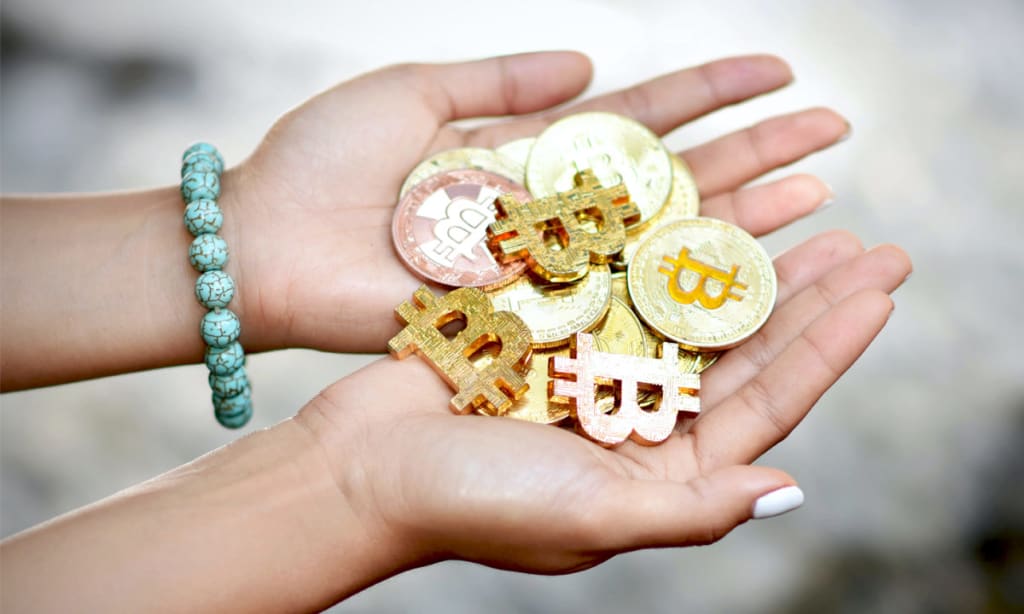
At the heart of this digital transformation lies a concept that speaks to our most profound desires for security and scarcity—limited supply. This idea isn't just an abstract principle; it's a fundamental force that imbues digital currencies with a unique emotional resonance, particularly when we consider Bitcoin, the pioneer of this new financial era, with its capped supply of 21 million coins.
Imagine the dawn of a new era where money is not merely a means of exchange but a finite resource, much like gold, but even more elusive. Bitcoin's 21 million cap is not just a number; it's a symbol of scarcity and value, a promise that, no matter how much we might desire or need, there will always be a finite amount of this digital treasure. This limited supply creates an emotional narrative that deeply resonates with our human experience of longing and fulfillment.
When we think about scarcity, we touch upon something deeply ingrained in our collective psyche. We are familiar with the idea that rare things are often more valuable, and Bitcoin's capped supply brings this concept into the digital age. Each Bitcoin represents a piece of a grand and finite puzzle, a digital artifact whose value is intrinsically tied to its rarity. This scarcity is not just a feature; it is a cornerstone of Bitcoin's allure and importance. It promises that, as we move forward, we are participating in something unique and unprecedented—an experiment in digital gold that we may never see again.
Bitcoin's 21 million limit is a testament to a profound idea: that the value of something is deeply intertwined with its availability. The allure of owning a piece of something so finite and valuable stirs our emotions in ways that traditional currencies simply cannot. With fiat money, inflation erodes value over time, creating a perpetual cycle of diminishing returns. But with Bitcoin, the finite supply offers a sense of permanence, a beacon of stability in a turbulent financial sea.
This capped supply also elicits a sense of urgency and excitement. As more people become aware of Bitcoin's limited nature, the race to acquire a piece of this digital scarce resource intensifies. Every transaction becomes a moment of decision, a chance to claim a fragment of this digital treasure before it becomes even more elusive. This sense of urgency taps into our primal instincts, driving us to act with both hope and trepidation.
Furthermore, the concept of a capped supply challenges our traditional views on wealth and ownership. In a world where digital assets are increasingly becoming the currency of choice, Bitcoin's scarcity forces us to confront our understanding of value. It asks us to consider that perhaps, in the digital age, the rarity of an asset can be just as compelling as its physical attributes. It compels us to appreciate the intangible qualities of value, to recognize that what makes Bitcoin special is not just its technology or its uses but its inherent scarcity.
In addition to these emotional aspects, Bitcoin's capped supply speaks to our desire for a fair and transparent financial system. By limiting the total number of coins, Bitcoin offers a form of financial equality that is rare in traditional systems. It ensures that no single entity can inflate the currency or manipulate its supply for personal gain. Instead, the value of Bitcoin is driven by the collective understanding of its scarcity and the belief in its future potential. This transparency and fairness create a sense of trust and integrity, reinforcing the emotional bond between the currency and its holders.
The emotional impact of Bitcoin's limited supply also extends to its role as a symbol of hope and possibility. For many, Bitcoin represents more than just a digital asset; it embodies a vision of a better financial future, one where control is decentralized, and opportunities are more accessible. The 21 million cap signifies that there is a finite, achievable goal—a number that, while small compared to the vastness of the global population, represents a significant shift in how we think about money and value. It inspires us to dream of a world where our financial systems are fairer, more transparent, and more aligned with our deepest values.
Ultimately, the concept of a capped supply in cryptocurrencies like Bitcoin is more than a technical detail; it is a powerful emotional force that shapes our understanding of value and scarcity in the digital age. It connects us to a vision of a future where the principles of rarity and permanence are preserved in a rapidly evolving world. It offers a sense of stability and excitement, a promise of fairness and transparency, and a symbol of hope for a better financial system.
As we navigate this brave new world of digital finance, the emotional significance of Bitcoin's 21 million cap will continue to resonate with us. It serves as a reminder of the enduring human values of scarcity, value, and fairness, even as we embrace the possibilities of the digital age. In a world where everything seems to be in constant flux, Bitcoin's capped supply stands as a testament to the timeless principles that drive our quest for meaning and fulfillment.Cryptography in the world of cryptocurrencies is more than just a technical safeguard; it is a silent guardian, a beacon of trust in a digital landscape often shrouded in uncertainty. It represents a promise—a solemn vow to protect, secure, and maintain the integrity of a decentralized world where control is not vested in a single entity but distributed among all who participate. Cryptography is the heart of this system, beating with the rhythm of mathematical precision and unwavering commitment to security.
In the quiet elegance of cryptographic algorithms lies an emotional resonance, a profound sense of protection that transcends mere code. Every transaction, every unit of cryptocurrency, is cloaked in a veil of encryption, making it nearly impossible to counterfeit or double-spend. This is not just a technical feat; it is a powerful statement of trust. In a world where trust is often in short supply, cryptography offers a sanctuary, a place where our digital assets can exist without fear of manipulation or theft.
Imagine a vast ocean, each wave representing a transaction. Cryptography is the unseen force that ensures every wave is unique, genuine, and unalterable. It is the invisible hand that guides the flow of digital currency, ensuring that every unit is accounted for, every transaction verified. This meticulous care, this attention to detail, is akin to an artist crafting a masterpiece. It evokes a sense of awe and reverence for the complexity and beauty of the underlying technology.
The emotional weight of cryptography's role in cryptocurrencies is also felt in the assurance it provides to millions of people worldwide. For those who have experienced the heartbreak of financial insecurity, cryptography offers a glimmer of hope. It is a promise that their assets are secure, their transactions private, and their identities protected. This sense of security is invaluable; it is a comforting embrace in a world where digital theft and fraud are constant threats.
Moreover, cryptography is a symbol of empowerment. It gives individuals control over their own assets, free from the oversight and potential abuses of centralized authorities. This decentralization is not just a technical feature; it is a deeply emotional and ideological stance. It is a stand against the monopolization of power, a declaration of financial independence. Cryptography, in this sense, is a liberating force, unlocking new possibilities for financial freedom and innovation.
The double-spending problem, once a formidable challenge in the digital realm, is rendered moot by the cryptographic mechanisms embedded in cryptocurrencies. This achievement is a testament to the brilliance of cryptographic science and its capacity to solve complex problems. It is a victory of logic and reason, a triumph of human ingenuity. For those who understand the intricacies of these systems, there is a profound sense of wonder and admiration for the minds that brought this vision to life.
In conclusion, cryptography in cryptocurrencies is more than a security feature; it is the soul of a movement toward a more secure, private, and decentralized digital future. It is a guardian that stands vigil over our digital assets, a symbol of trust and empowerment. In every encrypted transaction, in every cryptographic hash, there is a story of innovation, hope, and a relentless pursuit of a better tomorrow. It is a story that touches the heart and stirs the soul, reminding us of the incredible potential of technology to transform our world.
About the Creator
Keep reading
More stories from Aminu Muhammad and writers in Longevity and other communities.
American
American Airlines, a major player in the global aviation industry, represents a legacy of travel, adventure, and connectivity. Established in 1930, it has grown to become one of the largest airlines in the world, serving millions of passengers annually. Here's an exploration of American Airlines, touching on its history, significance, and emotional resonance:
By Aminu Muhammad2 years ago in Longevity
Professional Balance Coaching: Training the Nervous System for Lifelong Stability
Balance is often misunderstood. When stability declines, the default response is to build stronger legs or improve flexibility. While those strategies can help, they overlook a more important factor: balance is primarily governed by the central nervous system.
By AhmedFitLife7 days ago in Longevity
3 Things to Do Before Bed for Better Blood Sugar, According to Dietitians
KEY POINTS To keep your blood sugar from spiking in the morning, what you do the night before matters. Eating a balanced snack, limiting screens and gently moving all support healthy blood sugar. Other ways to help your morning blood sugar include reducing alcohol and managing stress.
By Good health to everyone2 days ago in Longevity


Comments (2)
Thanks for sharing
Thanks for sharing