
Confusing ear, nose and throat diseases, which ones do you know?
How to distinguish ear, nose and throat disease


As an important organ of the human body, the ear, nose, and throat not only has important functions such as hearing, smell, breathing, vocalization, and swallowing, but also is the "front line" of immune and defense functions.
At the same time, it implies a systemic chain reaction. In addition to the high incidence of ear, nose and throat diseases in summer, many symptoms are easily confused with other diseases, which can easily cause misdiagnosis and missed diagnosis, leading to harm due to improper treatment.
PART1
Allergic rhinitis is not equal to a cold
Recently, many patients with allergic rhinitis in outpatient clinics are 7 because they have been procrastinated after suffering from rhinitis. They always thought it was a cold. They only came to the hospital for treatment after the symptoms got worse.
In fact, many patients fall into a misunderstanding, that is, to confuse a cold with allergic rhinitis. In fact, the common symptoms of allergic rhinitis are very similar to the cold, so that patients don't pay much attention to it.
Common symptoms of allergic rhinitis
Nasal itching, nasal congestion, clear watery nose, sneezing, such as persistent nasal congestion can cause dryness, pain, middle turbinate swelling and obstruction of the middle nasal passage, complicated by sinusitis, and repeated inflammatory edema of the nasal mucosa can cause hypertrophic rhinitis.
It is easy to cause polypoid degeneration or nasal polyps, so that nasal obstruction cannot relieve complicated allergic asthma, which can cause breathing difficulties, cerebral hypoxia, and even anaphylactic shock.

PART2
Stuffed nose and headache may be caused by sinusitis
Summer is the season of high incidence of sinusitis, and the population tends to be younger, generally there are more young people under the age of 20.
Why is there such a phenomenon? According to the survey, the large number of young people suffering from rhinitis is mainly because they have been in air-conditioned rooms for a long time. Once they go out, they are easy to get sick from cold and hot. Many people will have persistent nasal congestion, runny nose, and frequent headaches.
Typical symptoms of sinusitis
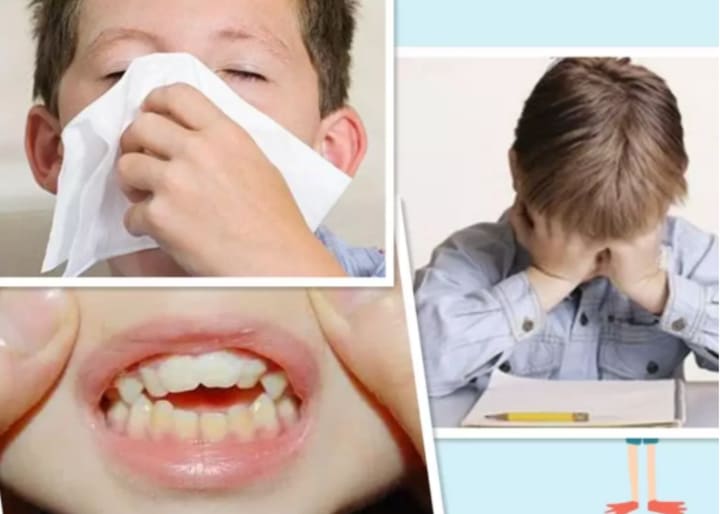
Adolescents are susceptible to severe upper respiratory tract infections, more pus nasal discharge, nasal congestion, headaches, etc., and the patients suffer from depression, memory loss, inattention and even mental decline, which seriously affects physical health and academic progress.
In severe cases, it can cause intracranial diseases, harm the optic nerve, and cause vision loss. Therefore, when the patient has the above symptoms, he must go to the hospital for examination in time to avoid delaying the condition.
PART3
Constant dry cough may be the cause of pharyngitis
With the hot summer temperature, people are more and more likely to suffer from chronic pharyngitis!
Especially people who have been in a closed and muggy environment for a long time often have symptoms such as dry mouth, sore throat, and retching when brushing their teeth in the morning. These are all signs of pharyngitis.
pharyngitis
Pharyngitis has various symptoms and manifestations.
Typical symptoms
Foreign body sensation, swelling, blockage and itching in the pharynx; slight pain in the pharynx in the morning, accompanied by a dry feeling; sticky secretions in the pharynx, patients often use "cough" to clear the pharynx secretions and brush their mouths It is easy to get nauseated and nausea when it is big.
These factors can cause discomfort in the mouth and throat, and even induce symptoms of upper respiratory tract infections such as acute pharyngitis and acute tonsillitis.
How to protect your ear, nose and throat?
1. Nose maintenance coup
Wash your nose with cold salt water in the morning. Although the nasal mucosa has a certain filtering and cleaning effect, if you wash your nose frequently, you can remove waste in the nasal cavity in time, and can enhance the adaptability of the nostrils and the entire upper airway to the outside cold air, which is beneficial to prevent colds and flu.
Often change the pillowcase and quilt cover. The bedding is most likely to contain dust and mites, which are allergens to the nose, and changing it once a week can greatly reduce the chance of causing allergic rhinitis. Don't let the cold wind blow. When you first go outdoors in winter or when the season changes, you should cover your nose with a scarf or hand to give your nose time to adjust to the cold air.
2. Coupe for throat maintenance
Avoid behaviors that damage your voice. For example, drinking cold or hot beverages, eating a lot of pungent food or eating too salty, smoking, staying up late. Pay attention to the speed of speech when speaking. Speaking too fast is also a kind of damage to the vocal cords. A short pause must be made in the middle of each sentence to inhale, otherwise speaking too fast will easily cause tension in the chest and neck muscles.
3. Ear care tips
Eat more carrots. Carrots contain a lot of vitamin A, which can promote the regeneration of nerve cells in the inner ear. Escargots, oysters, and chicken livers are also treasures rich in vitamin A.
Eat iron-containing foods often. Iron deficiency in the body can easily cause degeneration of red blood cells, leading to malnutrition of auditory cells. Eat more iron-containing foods, such as crustaceans, animal liver, kelp, seaweed, black fungus, and spinach, which can improve blood circulation in the inner ear and maintain normal hearing. Keep more green plants. If there are many green plants indoors, the concentration of carbon dioxide will be suppressed, which is conducive to sharp hearing.
About the Creator
Keep reading
More stories from writers in Longevity and other communities.
Day 4 of Quitting
If this is how sobriety feels, maybe it’s better to go through life a little buzzed… this, along with other hits like, I want to kill myself, I wish I was dead, and I’m going to throw myself off a bridge have been the only thoughts on rotation these past few days. I promise myself that if, in a month, I still feel like this (‘this’ meaning despondent, full of rage, and simultaneously numb) I can go back to smoking. Until mid-February though? Nicotine is off the table.
By sleepy drafts23 days ago in Longevity
When Kindness Turned into a Burden
Some people are so cruel that they snatch trust, confidence, love, and sincerity from others. I have been very sensitive since childhood. My heart has always been extremely soft. Whenever I see someone sad, I become sad myself—whether it is a real person or even a scene from a film or TV drama. Sometimes I become so emotional that I start sobbing uncontrollably. Because of this weakness, I have suffered many losses in life.
By Sudais Zakwan4 days ago in Longevity



Comments
There are no comments for this story
Be the first to respond and start the conversation.