
Composite Bonding: A Revolutionary Approach to Perfecting Smiles
Transforming Lives One Smile at a Time
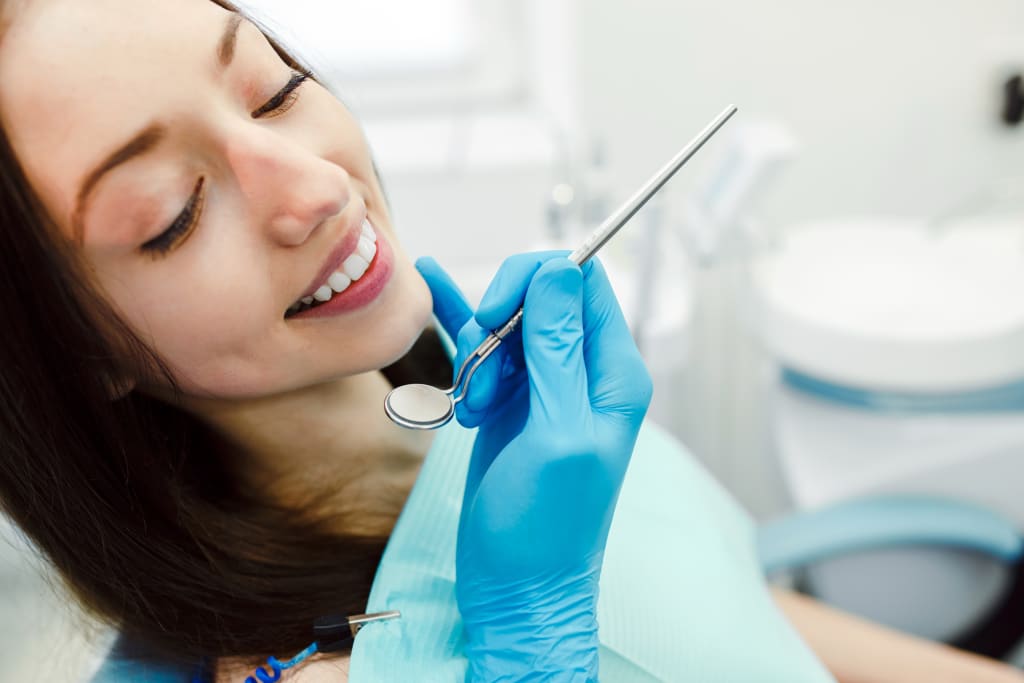
Introduction :
In the realm of cosmetic dentistry, composite bonding has emerged as a revolutionary and transformative procedure, providing individuals with the opportunity to achieve beautiful smiles. In this article, we delve into the world of composite bonding London, exploring its definition, procedure, benefits, and the impact it has had on countless lives. Whether you are seeking to correct minor dental imperfections or aiming for a complete smile makeover, composite bonding offers a versatile and effective solution that has gained popularity among patients worldwide.
What is Composite Bonding?
Composite bonding, also known as dental bonding, is a cosmetic dental procedure that involves the application of a tooth-colored composite resin to the teeth. This resin is carefully shaped and molded to correct various dental issues, such as chipped or cracked teeth, gaps, discolorations, and misalignments. The procedure is called "composite bonding" because it bonds the composite material directly to the natural tooth structure, resulting in a seamless and aesthetically pleasing appearance.
The composite resin used in bonding is a blend of plastic and glass materials, which, when applied and hardened, closely mimics the appearance and translucency of natural tooth enamel. This enables dentists to achieve natural-looking results that seamlessly blend with the patient's existing teeth, making the bonded teeth virtually indistinguishable from the rest.
The Composite Bonding Procedure:
Composite bonding is a relatively simple and minimally invasive procedure that is typically completed in a single visit to the dentist. The process involves the following key steps:
Consultation: The journey begins with a thorough consultation with the dentist. During this initial appointment, the patient discusses their concerns and goals for their smile. The dentist evaluates the patient's oral health, assesses the dental imperfections to be addressed, and determines if composite bonding is the appropriate treatment option.
Color Matching: Achieving a natural-looking result is essential in composite bonding. The dentist carefully selects the shade of composite resin that closely matches the patient's natural tooth color. This ensures that the bonded teeth blend seamlessly with the surrounding teeth.
Preparation: Minimal preparation is required for composite bonding. In most cases, the dentist does not need to remove any natural tooth structure. However, the tooth's surface is lightly etched to create a rough texture, allowing the composite resin to adhere securely to the tooth.
Application: The dentist applies the composite resin in a putty-like form directly to the tooth's surface. With exceptional skill and precision, the dentist sculpts and shapes the material to achieve the desired tooth shape and symmetry.
Curing: To harden the composite resin, a specialized curing light is used. The curing process ensures the bonding material becomes durable and resilient.
Finishing Touches: Once the resin has hardened, the dentist further refines and polishes the bonded tooth. This step ensures a smooth and natural-looking surface that blends seamlessly with the adjacent teeth.
Benefits of Composite Bonding:
Improved Aesthetics: One of the primary benefits of composite bonding Marylebone is its ability to significantly enhance the appearance of teeth. It can effectively address a wide range of cosmetic issues, including chips, cracks, gaps, stains, and misshapen teeth, resulting in a more attractive smile.
Minimally Invasive: Unlike some other dental procedures, composite bonding is minimally invasive and usually requires little to no removal of natural tooth structure. This preserves the integrity of the teeth and reduces the potential for sensitivity or discomfort.
Quick and Efficient: Composite bonding can often be completed in a single dental visit. Patients can walk out of the dentist's office with a transformed smile in just a few hours.
Affordable: In comparison to more extensive dental treatments like veneers or crowns, composite bonding is a more cost-effective option for smile enhancement.
Natural Look and Feel: The composite resin closely resembles the appearance and feel of natural tooth enamel, allowing for seamless integration with the patient's existing teeth.
Composite Bonding: Impact on Patients' Lives
The impact of composite bonding on patients' lives extends far beyond just improving their smiles. A confident smile can enhance self-esteem, boost self-confidence, and positively influence social and professional interactions. Patients who undergo composite bonding often report feeling more comfortable and willing to share their smiles freely, without feeling self-conscious about their dental imperfections.
Moreover, the procedure's simplicity and affordability make it accessible to a broader range of individuals, enabling more people to experience the joy of a radiant smile. Whether it's a teenager with chipped front teeth, an adult seeking to close a small gap, or someone looking for a complete smile makeover, composite bonding offers a versatile and effective solution for a wide array of patients.
Conclusion:
Composite bonding has revolutionized the field of cosmetic dentistry, providing patients with an accessible, efficient, and effective way to achieve beautiful smiles. With its natural-looking results, minimally invasive nature, and the ability to address various dental imperfections, composite bonding continues to gain popularity in London and beyond. By seamlessly blending artistry and science, dentists are transforming lives one smile at a time, instilling confidence and brightening the world with radiant grins. If you are dreaming of a flawless smile, consider consulting with a dental professional about the transformative power of composite bonding.
About the Creator
Keep reading
More stories from writers in Longevity and other communities.
Day 4 of Quitting
If this is how sobriety feels, maybe it’s better to go through life a little buzzed… this, along with other hits like, I want to kill myself, I wish I was dead, and I’m going to throw myself off a bridge have been the only thoughts on rotation these past few days. I promise myself that if, in a month, I still feel like this (‘this’ meaning despondent, full of rage, and simultaneously numb) I can go back to smoking. Until mid-February though? Nicotine is off the table.
By sleepy drafts20 days ago in Longevity
Orthopedic Prosthetics Market Trends & Summary 2025–2033
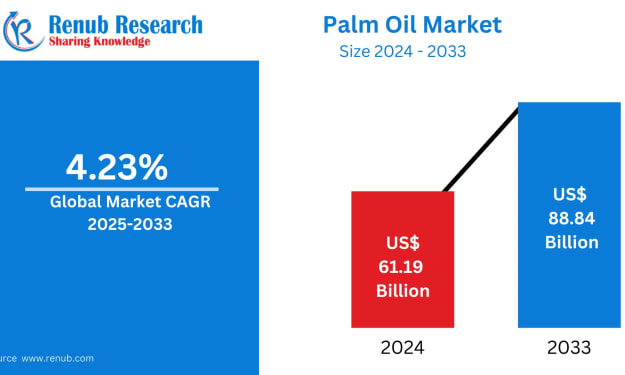
Global Orthopedic Prosthetics Market Outlook The global orthopedic prosthetics market is entering a new era of transformation, driven by technological innovation, demographic shifts, and rising awareness of mobility solutions. According to Renub Research, the orthopedic prosthetics market is expected to reach US$ 3.79 billion by 2033, up from US$ 2.27 billion in 2024, growing at a CAGR of 5.86% from 2025 to 2033.
By Renub Research6 days ago in Longevity
🅼🅸🅳🅽🅸🅶🅷🆃 🆂🅽🅰🅲🅺🆂
"It's 10 in Tuscon! We all know what that means... It's Time for Midnight Snacks with your man, Gerald Gee! Ready to spend the night together? Me too! I'm full of snacks and can't wait to regurgitate them all back into your hungry ears. Crack a brew! Pop some corn! Anything to get ready for one hell of a show where the talk maybe cheap but the words cut deep...
By Lamar Wiggins5 days ago in Fiction



Comments
There are no comments for this story
Be the first to respond and start the conversation.