
Chili Peppers: A Fiery Friend with Amazing Benefits!
From Improving Diabetes to Easing Joint Pain... Discover How This Spicy Ingredient Can Boost Your Health!

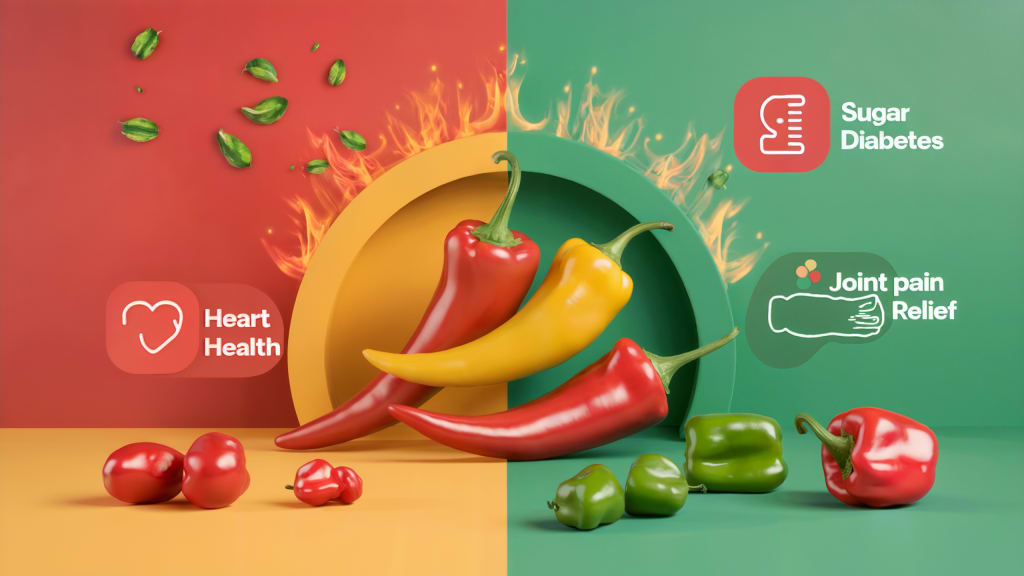
If chili peppers were a person, they’d be that little guy sitting in the corner of a saloon, looking innocent in their bright red or green coat. But don’t let their appearance fool you—this little troublemaker can set your mouth on fire and wake you from your deepest slumber.
Chili peppers are that friend who will burn your tongue, make your eyes water, and then, just when you’re about to curse their existence, surprise you with a good deed. Yes, my friend, chili peppers are a peculiar character, and their benefits are as spicy as their flavor.
First, let’s talk about diabetes. Now, diabetes is a tricky devil, sneaking around like a bandit in the night, causing all sorts of trouble. But chili peppers, that fiery little outlaw, might just be the sheriff you need.
Studies say that red chili peppers can stimulate your body’s insulin production, which is like throwing a lasso around that runaway blood sugar. There’s even a study from 2015 that showed pregnant women with gestational diabetes who took a bit of capsaicin (that’s the fiery stuff in chili peppers) had better blood sugar levels after meals. But, mind you, this isn’t a free pass to go wild. Capsaicin doesn’t do much for fasting blood sugar, and if you’re already on diabetes medication, you’d best consult your doctor before inviting this spicy friend to the party. Too much of a good thing, as they say, can land you in hot water—or in this case, hot sauce.
Now, let’s mosey on over to joint pain. If you’ve ever felt like your knees are creakier than an old wagon wheel, chili peppers might be the grease you need. There’s evidence that capsaicin can ease joint pain by about 21%, which is nothing to sneeze at. Of course, it’s not a miracle cure, and you’ll still feel that signature burn, but sometimes a little discomfort is worth the relief. Just don’t go thinking capsaicin is the lone hero here—it’s often mixed with other ingredients in those pain-relief creams, so it’s got a posse backing it up.
And then there’s the stomach. Now, you’d think something as fiery as a chili pepper would be the last thing you’d want near an ulcer, but life’s full of surprises, isn’t it? Turns out, capsaicin might actually protect your stomach lining and reduce the risk of ulcers.
It’s like the chili pepper is saying, “I know I’m hot, but I’ve got your back.” Of course, this doesn’t mean you should go eating chili peppers by the handful if you’ve got a sensitive stomach. Moderation, my friend, is the name of the game.
Now, let’s talk about the heart. If your heart’s been feeling heavier than a sack of potatoes, chili peppers might lighten the load. Capsaicin has been shown to improve blood flow and even lower cholesterol, which is like giving your heart a fresh coat of paint and a tune-up. There’s even research suggesting it can reduce the risk of blood clots. But don’t go thinking chili peppers are a replacement for your heart medication. They’re more like a trusty sidekick, helping out where they can.
And then there’s weight loss. Ah, the eternal struggle. Chili peppers might just be the friend who helps you shed a few pounds, thanks to capsaicin’s ability to boost fat burning. Some studies say it can increase your metabolism, while others aren’t so sure. Either way, it’s not a magic bullet. You’ll still need to eat right and exercise, but a little chili pepper might give you the extra kick you need to keep going.
But, as with any good thing, there’s a catch. Chili peppers can be a double-edged sword. That same capsaicin that helps with pain and inflammation can also cause a burning sensation in your mouth, stomach pain, and even diarrhea if you overdo it. And if you’ve got a sensitive stomach or conditions like irritable bowel syndrome, you might want to steer clear. Chili peppers are like that friend who means well but doesn’t always know when to quit.
And let’s not forget the potential interactions with medications. Capsaicin can mess with blood thinners, diabetes drugs, and even antibiotics. It’s like the chili pepper is the town troublemaker, stirring up trouble wherever it goes. So, if you’re on any meds, you’d best check with your doctor before making chili peppers a regular part of your diet.
In the end, chili peppers are like that colorful character in every Western—full of surprises, a little dangerous, but ultimately good-hearted. They’ve got their benefits, but they’re not without their quirks.
So, enjoy them in moderation, respect their fiery nature, and they might just become one of your most loyal companions on the trail to better health. Just don’t say I didn’t warn you when your mouth feels like it’s been set ablaze.
About the Creator
Pedro Wilson
Passionate about words and captivated by the art of storytelling.
Keep reading
More stories from Pedro Wilson and writers in Longevity and other communities.
"Landman": A Texas Tale of Oil, Ultra-Processed Foods, and a Stress-Fueled Life
In the larger-than-life town of Midland, Texas, “Landman” introduces us to a world of giant oil rigs, explosions, and endless egos. But, as with any self-respecting Texan story, there’s also a healthy dose of health themes that intersect with the characters’ lives, ranging from cultural shifts in eating habits to some misconceptions that might make you wonder, “Do these people live on another planet?”
By Pedro Wilsonabout a year ago in Longevity
Day 4 of Quitting
If this is how sobriety feels, maybe it’s better to go through life a little buzzed… this, along with other hits like, I want to kill myself, I wish I was dead, and I’m going to throw myself off a bridge have been the only thoughts on rotation these past few days. I promise myself that if, in a month, I still feel like this (‘this’ meaning despondent, full of rage, and simultaneously numb) I can go back to smoking. Until mid-February though? Nicotine is off the table.
By sleepy drafts10 days ago in Longevity
Kratom Tea Guide for Beginners, Benefits, Effects, and How to Use It
Kratom tea is one of the most common ways people use kratom. Many users choose tea because it is easier to digest, faster to absorb, and simpler to control than powder or capsules. If you searched for kratom tea, you likely want to know what it does, how to make it, how strong it is, and whether it is better than other forms. This guide answers those questions in a clear and direct way.
By Jack Wilder2 days ago in Longevity



Comments
There are no comments for this story
Be the first to respond and start the conversation.