
Child-Free Spaces on Trains? This Isn’t the Family-Friendly
The debate over quiet and child-free train spaces heats up

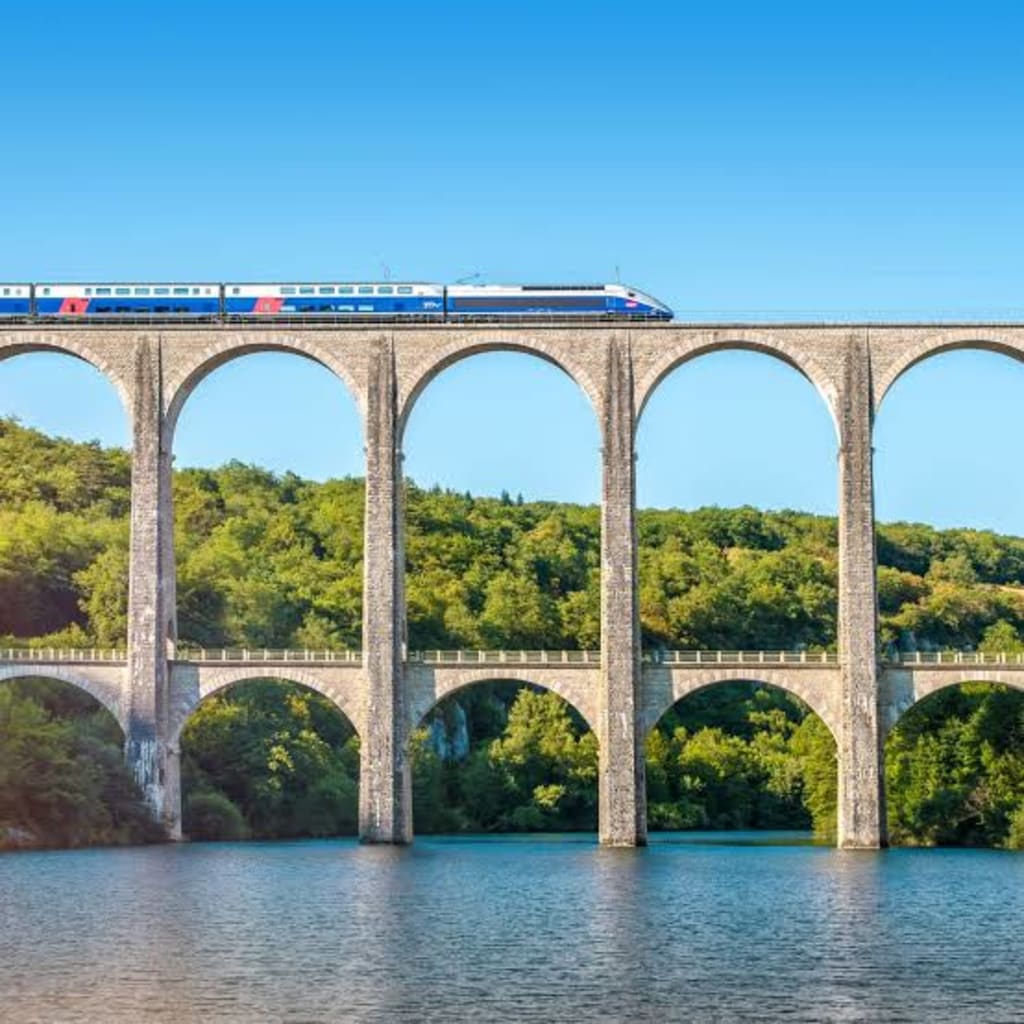
The debate over designated quiet zones and child-free train areas
Public transportation is meant to serve everyone — commuters, travelers, families, and tourists alike. But in recent months, some train operators in the UK and other countries have explored “child-free” or quiet zones on certain trains, sparking debate among passengers and the wider public. These areas, designed to offer peace and quiet to adults, have left some questioning whether public transit should really segregate passengers by age or family status.
What Are Child-Free or Quiet Zones?
Child-free or quiet zones are train carriages or compartments where children under a certain age are not allowed, or where noise must be kept to a minimum. Typically, these zones are meant for:
Business travelers working on laptops
Adults seeking quiet on long commutes
Passengers wishing to rest or read without disruption
Many train companies also offer “quiet carriages”, where phones, music, and loud conversations are discouraged, but these are different from officially child-free spaces, which explicitly restrict children from boarding.
Why Some People Support Child-Free Spaces
Supporters of these zones argue that they provide necessary relief for adult passengers who need quiet or focus. Some points in favor include:
Improved productivity – Adults traveling for work can complete tasks without distraction.
Stress reduction – Quiet zones help reduce anxiety or stress for those who prefer calm environments.
Choice and fairness – Just as there are family-friendly trains, supporters argue, adults deserve spaces tailored to their needs.
For example, a business traveler on a long train ride may welcome the option to work uninterrupted or take a nap without worrying about loud children nearby.
The Controversy
Despite the arguments in favor, child-free zones have drawn criticism from parents and child advocates. Opponents claim these areas:
Exclude families from public spaces – Public trains are meant to be inclusive for everyone, including children.
Encourage segregation – Critics say it creates a sense of “othering,” implying that children are disruptive or unwelcome.
Ignore practicality – Many parents point out that children need to travel, sometimes for long distances, making it unreasonable to limit access.
The debate often intensifies on social media, with heated discussions over whether quiet zones are necessary or discriminatory.
The Impact on Families
For families traveling with children, the introduction of child-free zones can feel restrictive and exclusionary. Parents often say they already face limited seating and amenities on trains, and losing access to specific carriages makes travel more stressful.
Some parents also argue that teaching children social norms and acceptable behavior in public spaces is part of growing up, and removing them from quiet areas sends the wrong message about public etiquette.
Rail Companies Respond
Rail operators have taken various approaches to balance both perspectives:
Designated quiet carriages – Some companies encourage quiet behavior without banning children outright.
Flexible policies – Notices remind passengers that children are welcome but should behave considerately.
Family carriages – Conversely, trains may include family-friendly carriages equipped with space for strollers and play areas, so families have options without disrupting others.
Operators emphasize that the goal is passenger satisfaction, not exclusion. Surveys suggest that most travelers value having both quiet spaces and family areas, creating a compromise rather than a conflict.
Global Perspective
This debate isn’t limited to the UK. Across Europe and Asia, train companies have experimented with quiet cars, adult-only coaches, or premium compartments:
Japan – Many Shinkansen bullet trains have quiet cars where phone calls are prohibited.
France – TGV trains include “silence zones” that restrict phone use but not children.
Germany – ICE trains promote quiet compartments but rely on etiquette rather than age restrictions.
These examples suggest that quiet spaces can exist without excluding children, offering a balanced approach that serves both adults and families.
What Passengers Think
Opinions among passengers are divided:
Adults seeking peace often say quiet zones are essential for comfort.
Parents argue that public transport is not a luxury space, and children have a right to travel without being restricted.
Some rail users advocate for better enforcement of existing quiet zones rather than banning children entirely.
Polls indicate that while quiet spaces are popular, the idea of completely child-free zones is more controversial, with strong feelings on both sides.
Finding a Middle Ground
Experts suggest compromise solutions that respect all passengers:
Enforced quiet zones – Adults and children are welcome, but rules around noise are strictly applied.
Family-friendly carriages – Clearly designated spaces for parents and children reduce conflicts.
Optional reservation systems – Passengers can choose quiet or family areas when booking, giving everyone control.
Public awareness campaigns – Remind passengers to behave considerately without resorting to bans.
The key is to balance adult needs for calm with the rights of children and families to access public transport.
Conclusion
The discussion around child-free spaces on trains is more than just about noise — it’s a reflection of how public spaces balance the needs of diverse passengers. While adults may value quiet areas for work or relaxation, families also deserve access to public transport without feeling unwelcome.
Rather than outright bans, flexible solutions like quiet zones with clear rules, family-friendly carriages, and reservation systems may provide the best compromise.
Ultimately, public transportation must remain inclusive, respectful, and adaptable, serving everyone from parents with toddlers to business travelers seeking peace. Finding this balance is essential for making trains a truly family-friendly and adult-friendly space at the same time.
About the Creator
Fiaz Ahmed
I am Fiaz Ahmed. I am a passionate writer. I love covering trending topics and breaking news. With a sharp eye for what’s happening around the world, and crafts timely and engaging stories that keep readers informed and updated.
Keep reading
More stories from Fiaz Ahmed and writers in Longevity and other communities.
The UK’s Oldest Rollercoaster to Close Permanently After 106 Years
A historic ride ends as the amusement park landscape continues to evolve After more than a century of thrilling rides, the UK’s oldest rollercoaster is set to close permanently, marking the end of an era for enthusiasts and visitors alike. The iconic attraction, which has been a fixture of British amusement parks since the early 20th century, has welcomed generations of thrill-seekers, families, and tourists. Its closure is part of a broader trend in the amusement park industry, where historic rides are increasingly being replaced by modern attractions designed to appeal to new audiences. A Century of Thrills The rollercoaster first opened 106 years ago, at a time when amusement parks were emerging as a popular form of leisure. For decades, it has been a symbol of fun, innovation, and family entertainment, surviving wars, economic changes, and evolving entertainment trends. For many, the ride is more than just a coaster—it is a cultural landmark, evoking memories of childhood summers, school trips, and local festivals. Its unique wooden structure and classic design have made it instantly recognizable and a favorite for photography and nostalgia enthusiasts. Why the Closure is Happening Park management cites several reasons for the permanent closure: Rising maintenance costs: Older rides require constant upkeep to meet modern safety standards. Structural concerns: Wood and metal wear over time, and renovations would be costly. Changing visitor expectations: Modern audiences seek faster, more high-tech experiences. Space for new attractions: Parks need to innovate to remain competitive and attract visitors. While the closure may disappoint loyal fans, park officials stress that safety and sustainability are top priorities. A Look Back at Its History Over its 106-year history, the rollercoaster has survived many challenges: Weather damage and storms Economic recessions affecting park attendance Technological changes in ride engineering Shifts in amusement park design and themes Despite these hurdles, the coaster remained operational until now, a testament to its engineering durability and the dedication of park staff. Community and Visitor Reactions News of the closure has triggered strong reactions from the public: Longtime visitors have shared personal stories and memories online. Local historians have highlighted the rollercoaster’s cultural and architectural significance. Amusement park enthusiasts expressed sadness over losing a ride that represents a link to the early days of British leisure culture. Some fans have organized farewell visits, taking one last ride and commemorating the coaster’s place in UK history. The Significance of Historic Rides Historic amusement rides are more than entertainment—they are living museums, reflecting social change, engineering evolution, and community tradition. Rides like this rollercoaster show how leisure, innovation, and family culture intersected over a century. Preserving the memory of these attractions often involves: Archival photographs and blueprints Museum exhibitions Documentaries and local heritage projects Even if the ride itself closes, its legacy can inspire future generations of engineers, designers, and history enthusiasts. The Future of the Park The park has announced plans to replace the rollercoaster with new attractions, aiming to attract younger audiences while maintaining safety and modern standards. Upcoming developments may include: High-speed rollercoasters with advanced technology Interactive rides and VR experiences Family-friendly zones with immersive storytelling While nostalgia plays an important role, amusement parks are businesses that must adapt to changing demands. The closure is part of a careful balance between heritage and progress. A Farewell to a Legend For many, the rollercoaster will always represent the heart of the park, symbolizing over a century of laughter, excitement, and community moments. Its closure is a reminder that time changes even the most beloved attractions, but memories endure. Visitors are encouraged to celebrate the coaster’s long run, share stories, and reflect on how much amusement parks have shaped leisure culture in the UK. Conclusion The UK’s oldest rollercoaster may close after 106 years, but its legacy of thrills, nostalgia, and cultural significance will remain in the hearts of those who rode it. As amusement parks continue to modernize, this historic ride serves as a reminder of the power of simple joy, engineering ingenuity, and community connection. While the structure may no longer operate, the memories and stories of generations of visitors will ensure that the coaster’s place in UK history is never forgotten.
By Fiaz Ahmed about 17 hours ago in Longevity
Day 4 of Quitting
If this is how sobriety feels, maybe it’s better to go through life a little buzzed… this, along with other hits like, I want to kill myself, I wish I was dead, and I’m going to throw myself off a bridge have been the only thoughts on rotation these past few days. I promise myself that if, in a month, I still feel like this (‘this’ meaning despondent, full of rage, and simultaneously numb) I can go back to smoking. Until mid-February though? Nicotine is off the table.
By sleepy drafts22 days ago in Longevity


Comments
There are no comments for this story
Be the first to respond and start the conversation.