
Can Smartwatches Detect Illness Before Doctors Do?
Wearable health tech is stepping into diagnosis — but should you trust it?
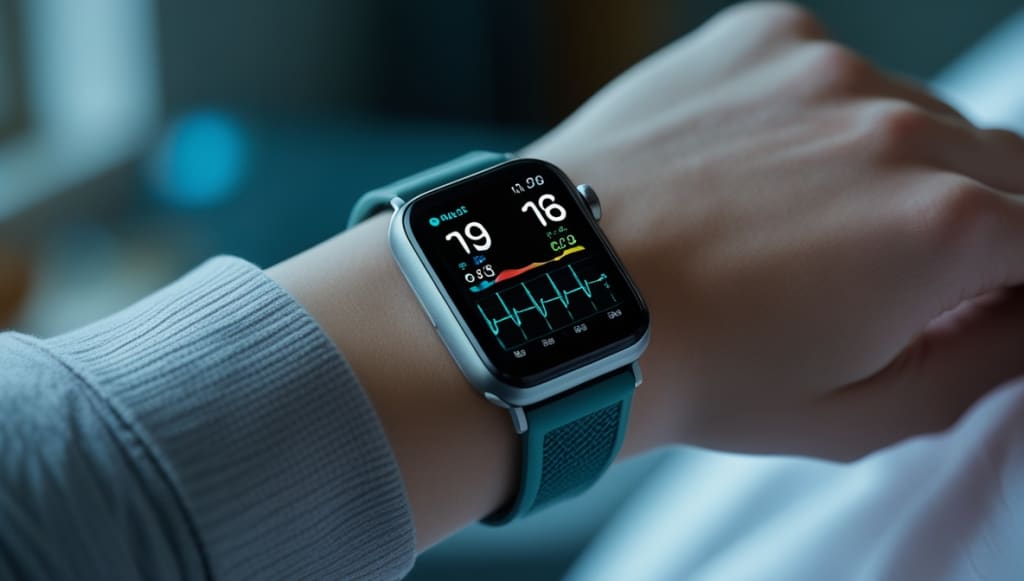
Not long ago, a wristwatch simply told the time. Today, it might tell you if you’re about to have a heart attack. Welcome to 2025, where smartwatches and wearables are evolving from step counters into potential lifesavers — devices that may diagnose illness before you even step into a doctor’s office.
The question is no longer whether wearables can track our heart rates or sleep cycles. It’s whether they can detect disease, predict medical crises, and even outperform doctors at catching warning signs.
⌚ From Fitness Toy to Medical Tool
When Apple launched its early smartwatch models, the features seemed fun but hardly life-changing — fitness goals, calorie counters, reminders to stand up. But in less than a decade, the technology matured into something far more powerful.
Modern smartwatches now come with ECG sensors, blood oxygen monitoring, continuous glucose tracking, and AI-driven pattern recognition. Some devices can detect abnormal heart rhythms like atrial fibrillation — a condition that often goes unnoticed until it causes a stroke.
In one case widely shared online, a man credited his smartwatch with saving his life after it alerted him to an irregular heartbeat while he slept. Doctors later confirmed he had a serious heart condition. Stories like this are no longer rare — they’re becoming the new norm.
🧠 Beyond the Heart: New Frontiers
What’s even more exciting is how wearables are moving beyond heart health. Startups and tech giants are exploring sensors that detect:
Respiratory illnesses (through monitoring oxygen saturation and breathing patterns)
Diabetes management (non-invasive glucose monitoring, a breakthrough long sought by medicine)
Parkinson’s disease (detecting tremors and subtle movement changes)
Mental health shifts (tracking stress and mood through heart rate variability and sleep data)
Some prototypes even claim to pick up early signs of infection, like COVID-19, days before symptoms appear. By analyzing subtle changes in skin temperature, resting heart rate, and oxygen levels, AI can recognize illness in real time.
🧬 AI: The Doctor on Your Wrist
What makes these devices powerful isn’t just the sensors — it’s the AI behind them. Wearables collect thousands of data points every day, too much for a human doctor to review. But AI thrives on pattern recognition.
It can notice when your average resting heart rate creeps higher over a week, when your oxygen dips slightly at night, or when your stress levels spike beyond your baseline. While you may feel “fine,” AI can whisper, “Something’s wrong.”
In fact, some studies already suggest AI-enabled wearables detect atrial fibrillation and sleep apnea more accurately than traditional screenings.
⚠️ The Risks of Relying on a Watch
But before you fire your doctor, remember: a smartwatch is not a licensed physician. These devices can produce false positives, alarming users about issues that don’t exist. That stress can be harmful in itself.
On the other hand, false negatives — missing real medical problems — can be even more dangerous. A person who trusts their watch might delay seeking medical help, assuming everything is fine.
Then there are privacy concerns. Wearables collect deeply personal health data, often stored on company servers. Who owns that data? Could insurers or employers use it against you? These are questions regulators are only beginning to tackle.
👩⚕️ Doctors and Devices: Partners, Not Rivals
Most experts agree the future isn’t about replacing doctors but empowering them. Imagine walking into a clinic where your physician already has six months of continuous health data from your watch. Instead of guessing about your symptoms, they have a detailed chart of your body’s daily rhythms.
This could revolutionize preventive care. Instead of treating illness after it strikes, doctors could intervene early — adjusting medications, ordering tests, or recommending lifestyle changes before a condition becomes life-threatening.
🌍 Wearables and Global Health
In developing countries where access to healthcare is limited, affordable wearables may act as frontline health monitors. For rural patients who rarely see a doctor, a smartwatch could detect warning signs and prompt them to seek help before it’s too late.
Nonprofits are already exploring low-cost wearables to monitor maternal health, child malnutrition, and infectious disease outbreaks. In this way, a device once seen as a luxury accessory could become a global health equalizer.
⏳ The Road Ahead
As exciting as this sounds, we’re still in early days. Accuracy, affordability, and accessibility remain challenges. But the trajectory is clear: wearables are moving from fitness toys to serious medical companions.
By 2030, it’s possible that your smartwatch will check your blood sugar, monitor your heart, detect infections, and send automatic reports to your doctor. The line between technology and medicine will blur.
🕊️ Final Reflection
So, can smartwatches detect illness before doctors do? In some cases, yes — but they shouldn’t replace medical expertise. Think of them as early warning systems, giving us a head start against disease.
The real promise isn’t that wearables make doctors obsolete, but that they help us work together — human judgment paired with machine precision.
Perhaps the most profound change is psychological: wearables remind us that health isn’t just something checked once a year in a clinic. It’s something happening every moment, written into the rhythms of our daily lives.
And sometimes, the most important heartbeat you’ll ever hear… might come from your wrist.
About the Creator
Keep reading
More stories from Shahjahan Kabir Khan and writers in Longevity and other communities.
⏳ Wearable Health Tech That Could Save Your Life in 2025
Wearable health tech in 2025 isn’t just about counting steps—it’s about saving lives. From smartwatches that predict heart attacks to patches that monitor glucose without needles, discover the innovations that could keep you healthier, longer.
By Shahjahan Kabir Khan4 months ago in Longevity
Day 4 of Quitting
If this is how sobriety feels, maybe it’s better to go through life a little buzzed… this, along with other hits like, I want to kill myself, I wish I was dead, and I’m going to throw myself off a bridge have been the only thoughts on rotation these past few days. I promise myself that if, in a month, I still feel like this (‘this’ meaning despondent, full of rage, and simultaneously numb) I can go back to smoking. Until mid-February though? Nicotine is off the table.
By sleepy drafts11 days ago in Longevity
I Looked Strong to Everyone, but I Was Falling Apart in Silence
Everyone thought I was strong. I was the one who checked on others, met deadlines, showed up with a smile, and said, “I’m good” without hesitation. If strength had a face, people told me it looked like mine.
By Fazal Hadia day ago in Longevity



Comments
There are no comments for this story
Be the first to respond and start the conversation.