
Building Lower Body Mass: The Squat Sweet Spot
The Squat's Secret


Hi, fitness enthusiasts and leg day legends! we're diving into a topic that's crucial for anyone looking to build mass in their lower body: the recommended number of reps for squats. You might be wondering, "How many reps should I do to build bigger legs?" or "Is there a magic number for squat reps?" Let's uncover the secrets to squatting for size and strength
First things first, let's acknowledge the king of leg exercises: the squat. Squats are a compound movement that targets multiple muscle groups in your lower body, including your quadriceps, hamstrings, glutes, and calves. They're essential for building mass and strength.
You might be thinking, "I've heard low reps build strength and high reps build endurance. So, what's the deal for mass?" This is a common question, and the answer might surprise you.
Imagine squatting your way to bigger, stronger legs. But how many reps should you aim for? Let's uncover the optimal rep range for building mass in your lower body.
Optimal Rep Range for Squats
The recommended number of reps for squats to build mass in the lower body is between 6 and 12 reps per set. This range is ideal for hypertrophy, which is the scientific term for muscle growth. Here's why:
Muscle Tension: Performing 6 to 12 reps per set helps maintain a high level of muscle tension, which is crucial for stimulating muscle growth. Each rep applies mechanical tension to the muscles, which is one of the primary stimuli for muscle hypertrophy (growth). By performing multiple reps, you increase the total time under tension, leading to greater muscle fatigue and potential for growth. As you perform reps, especially in higher rep ranges (e.g., 6-12 reps), you create metabolic stress. This stress leads to the accumulation of metabolites in the muscle, which can enhance muscle growth by increasing anabolic hormone response and cell swelling.
Recovery and Growth: This rep range allows for adequate recovery between sets, ensuring your muscles have enough time to repair and grow. Often considered the sweet spot for hypertrophy (muscle growth), moderate rep ranges balance the intensity of the lift with the volume of work performed. Rest periods in this range are usually 1-2 minutes, allowing enough time for partial recovery
Progressive Overload: By focusing on this rep range, you can gradually increase the weight you lift, which is essential for continued muscle growth. You can increase the weight as you get stronger, ensuring continuous muscle growth and strength gains. For instance, if you start with 80 pounds for 10 reps, you might aim for 85 pounds for the same number of reps in future workouts. Moderate rest periods (1-2 minutes) allow for partial recovery, enabling you to perform multiple sets effectively.
Conclusion
Ready to build bigger, stronger legs? Aim for 6 to 12 reps per set of squats to maximize muscle growth. Remember, consistency and proper form are key. Keep challenging yourself, and watch your lower body mass soar.
So, are you ready to squat your way to success? Imagine the strength and confidence you'll gain with each rep. It's time to embrace the power of squats and unlock your full potential.
Don't let the rep dilemma hold you back from building the legs you've always wanted. With the right strategy, you can achieve your mass-building goals. Are you ready to take the first
The optimal rep range for squats depends on your specific fitness goals. Whether you're aiming for strength, hypertrophy, or endurance, focusing on the appropriate rep range and gradually increasing the weight you lift will help you achieve your objectives. Always listen to your body, ensure proper form, and allow for adequate recovery to support your training goals.
About the Creator
Gerald Irimisose
As a Project Manager with skills in content article writing, I bring a dynamic approach to managing projects. My career focuses on the meticulous planning and execution of projects and crafting compelling, informative, and engaging content.
Keep reading
More stories from Gerald Irimisose and writers in Longevity and other communities.
What Is the Recommended Number of Push-Up Repetitions for Maximum Strength?
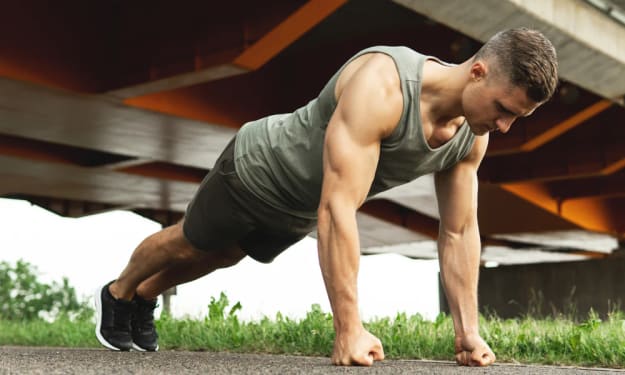
Hi, fitness fans! If you're anything like me, you love the simplicity and effectiveness of a good old-fashioned push-up. But have you ever wondered how many push-ups you should be doing to maximize your strength? Well, wonder no more! Let's dive into the world of push-ups and find out the magic number for maximum strength.
By Gerald Irimisose2 years ago in Longevity
What Happens to Your Body When You Skip Meals Regularly
“I’ll eat later.” “I’m not that hungry.” “I’m too busy.” For many university students, skipping meals feels normal. But when student irregular eating becomes a habit, your body starts responding in ways you might not immediately notice.
By Being Inquisitive6 days ago in Longevity
The Weight of a Touch: Why My best Training Equipment Isn't made of Iron
The Weight of a Touch: Why My Best Training Equipment Isn't Made of Iron The air in a commercial gym is thick with more than just the smell of rubber mats and recycled oxygen. If you stop moving for a second and just observe, you’ll feel it—a heavy, invisible fog of human ambition, deep-seated anxiety, and the restless energy of people trying to outrun their own shadows. Most personal trainers see this environment as a simple workspace where calories are burned and muscles are built. But for me, the gym floor is a sanctuary where two souls meet in a very raw, vulnerable state. And because of what I’ve survived, I refuse to walk onto that floor without a very specific kind of protection.
By Feliks Karić5 days ago in Longevity


Comments
There are no comments for this story
Be the first to respond and start the conversation.