
Breast Self-Examination - Steps to Follow
Breast Self-Examination (BSE) can be done every month; all you need is to be familiar with some tips that help generate better results for an individual.

Breast Self-Examination (BSE) can be done every month; all you need is to be familiar with some tips that help generate better results for an individual. Women can begin practicing BSE from the age of 18, while learning the changes and abnormalities that may or may not occur throughout their lives. Experts at AMRI Hospitals believe that performing BSE allows every woman to learn and detect any physical and visual changes independently, often helping in the early detection of breast cancer.
Here are the few things to keep in mind before you go for BSE:
• At a young age, women should go for breast self-examination after a week of the period cycle since during these days, the breasts are likely to be less tender or swollen
• If you have crossed the menopause period, then pick any specific day of the month and follow the regime
• If someone is on hormone therapy, it is advisable to consult your concerned physician before practicing your BSE
How to conduct Breast Self-Examination while standing?
Step 1: Stand in front of the mirror to check your breasts precisely. Look for anything that is unusual, including size, skin tone, soreness, rashes, or discharge from the nipples. Check for dimpling, puckering, or bulging of the skin as well.
Step 2: Watch out while clasping your hands behind the head, press your hands forward afterward and look for the same changes.
Step 3: You should feel tightening of the chest muscles to notice shape or contour change of breasts. All you need to do is to press your hands firmly on hips and slightly bend towards the mirror and pull the elbows and shoulders forward.
Step 4: A gentle squeeze is enough to check the nipples and area around for pain and discharge.
How to conduct Breast Self-Examination while lying down?
Step1: Lie flat on your back as it spreads the breast tissues evenly. Keep one hand over the head and use the pads of the finger of the right hand to check the left breast and surrounding areas or vice-versa. Move it gradually and check for any lump or mass under the skin. Take your time and follow circular, wedges, or lines patterns and cover the entire breast from top to bottom.
Step 2: While performing the examination, you need to pay extra attention to the area between the breast and the underarm, says an expert at AMRI Hospitals, as there is a high risk of detecting a lump or cyst over this area.
Things to consider
While checking throughout the area, follow a pattern to go from the top to the bottom, from side to side. It helps cover the whole region, starting from the collarbone to the top of the abdomen, and from the armpit to the breast region.
Choose your comfortable method, simply begin from the nipples, and move in larger circles until you reach the breast's outer edge. Follow the same pattern through the movement of finger pads from either vertically or in rows. All these methods seem to bring out the best results for maximum women.
You have to make sure you feel all the tissues of your breasts; use light pressure while moving the lower area, medium pressure for the middle of your breasts, and maintain firm pressure to feel the tissue closest to the chest and ribs.
If anyone finds a small lump or bump, don’t panic! Consult your doctor for further medical evaluation as 80% of lumps are non-cancerous.
About the Creator
Keep reading
More stories from writers in Longevity and other communities.
Day 4 of Quitting
If this is how sobriety feels, maybe it’s better to go through life a little buzzed… this, along with other hits like, I want to kill myself, I wish I was dead, and I’m going to throw myself off a bridge have been the only thoughts on rotation these past few days. I promise myself that if, in a month, I still feel like this (‘this’ meaning despondent, full of rage, and simultaneously numb) I can go back to smoking. Until mid-February though? Nicotine is off the table.
By sleepy drafts13 days ago in Longevity
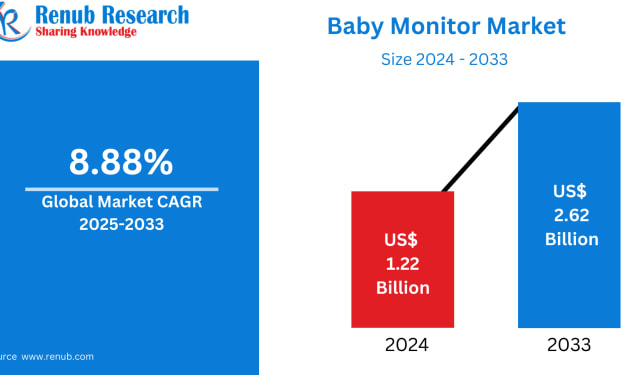
Baby Monitor Market Trends & Summary: How Smart Parenting Tech Is Shaping the Future of Child Safety
Introduction: A New Era of Digital Parenting Parenting in the modern world looks very different from what it did even a decade ago. As more parents balance demanding careers with family life, technology has stepped in as a silent partner—helping caregivers stay connected, informed, and reassured. Among the most trusted of these innovations is the baby monitor, a device that has evolved from simple audio tools into intelligent, AI-powered guardians.
By Marthan Sirabout 9 hours ago in Longevity
Ludacris and Nelly draw backlash over bookings at MAGA-coded music festival
Ludacris and Nelly headlining a mostly right-wing event is good for them. It’s also great for the genre of hip hop. The two rap veterans have showcased their talents on other stages. Why can’t they perform for mostly MAGA folks and grab that bag?
By Skyler Saunders6 days ago in Beat



Comments
There are no comments for this story
Be the first to respond and start the conversation.