
Breaking the Link: Why Alcohol is a Big No - No for Pelvic Inflammatory Disease Patients
Can Patients with Pelvic Inflammatory Disease Drink Alcohol?

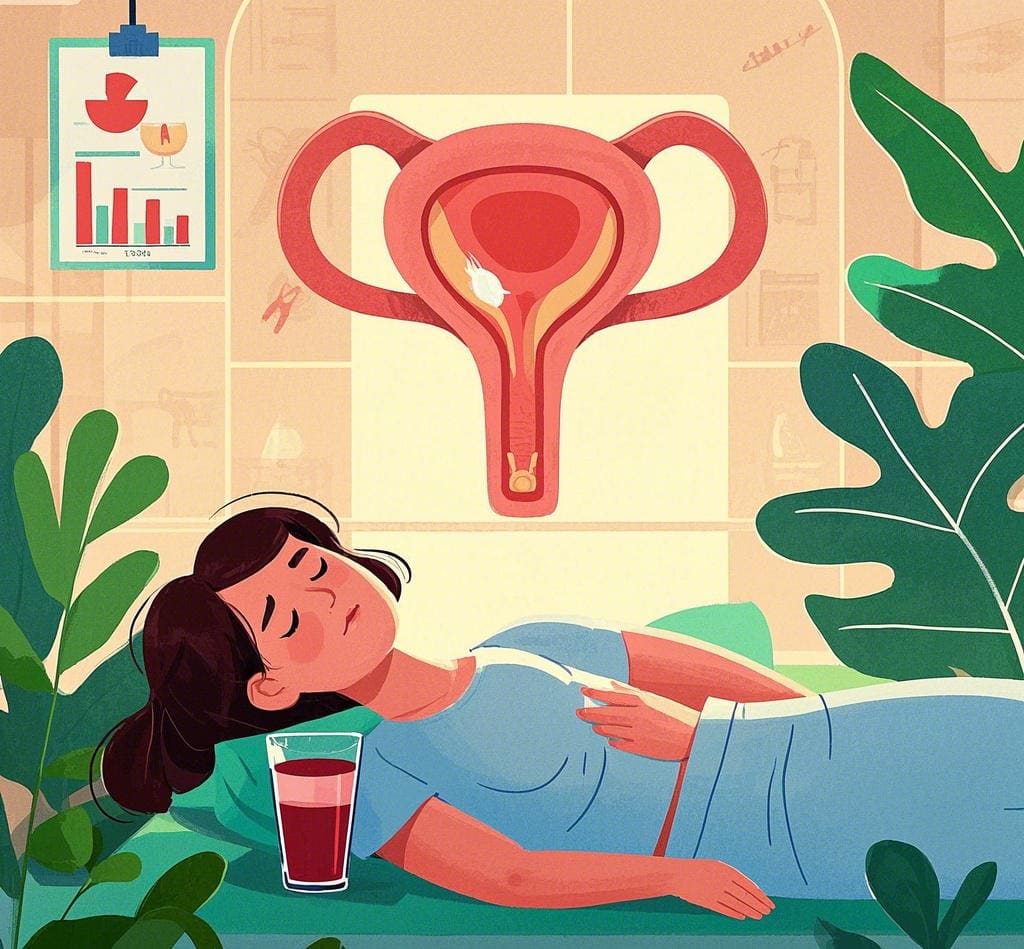
Pelvic inflammatory disease (PID) is a common and concerning health issue among women. It refers to the inflammation of the female reproductive organs, including the uterus, fallopian tubes, and ovaries. PID can lead to a range of symptoms, from mild discomfort like lower abdominal pain and abnormal vaginal discharge to more severe problems such as infertility and chronic pelvic pain. When it comes to the question of whether patients with PID can drink alcohol, the answer is a resounding no.
Alcohol's Impact on the Immune System
Alcohol has a significant impact on the body's physiological functions, especially when one is suffering from PID. First and foremost, alcohol is a diuretic. When a woman with PID consumes alcohol, it increases urine production. This may seem harmless at first glance, but in the context of PID, it can be problematic. The increased fluid loss through frequent urination can lead to dehydration. Dehydration weakens the body's immune system, which is already under stress due to the ongoing inflammation in the pelvic area.
White blood cells, which are crucial for fighting infections, have their functionality impaired by alcohol. For instance, the ability of neutrophils, a type of white blood cell, to move towards the site of infection (chemotaxis) is reduced. Macrophages, another important part of the immune defense, have a decreased ability to engulf and destroy bacteria. As a result, a weakened immune system is less capable of fighting off the bacteria causing PID, thus allowing the infection to persist or even worsen.
Interference with Medication Efficacy
Moreover, alcohol can interfere with the effectiveness of medications prescribed for PID treatment. Antibiotics are commonly used to treat the bacterial infections associated with PID. Alcohol can interact with these antibiotics in multiple ways.
Some antibiotics, like metronidazole, have a well - known interaction with alcohol. When combined, they can cause a disulfiram - like reaction. This reaction includes symptoms such as nausea, vomiting, rapid heartbeat, flushing of the skin, and shortness of breath. Even for antibiotics that don't cause such a dramatic reaction, alcohol can still reduce their effectiveness. Alcohol can disrupt the normal metabolism of the antibiotics in the liver, either by accelerating their breakdown or by preventing them from reaching the site of infection in sufficient concentrations. This not only makes the treatment process more uncomfortable for the patient but also jeopardizes the successful treatment of the disease.
Hormonal Imbalance and Reproductive Health
In addition, alcohol can have a negative impact on the body's hormonal balance. Hormonal fluctuations can affect the normal functioning of the reproductive organs. In patients with PID, maintaining a stable hormonal environment is crucial for the recovery of the inflamed reproductive organs.
Alcohol can influence the hypothalamic - pituitary - ovarian (HPO) axis, which regulates the menstrual cycle and ovarian function. It may disrupt the normal secretion of gonadotropin - releasing hormone (GnRH) from the hypothalamus, leading to abnormal levels of follicle - stimulating hormone (FSH) and luteinizing hormone (LH) from the pituitary gland. This can result in irregular ovulation and menstrual cycles. For PID patients, who may already experience menstrual irregularities and pain during menstruation, alcohol - induced hormonal imbalances can exacerbate these symptoms.
Impact on Blood Vessels and Inflammation
Another aspect is alcohol's effect on blood vessels. Alcohol causes vasodilation, which means it widens the blood vessels. In the pelvic area of a PID patient, this increased blood flow can contribute to more swelling and inflammation in the already - inflamed reproductive organs. The increased blood flow may also allow bacteria to spread more easily within the pelvic cavity, further complicating the infection.
Long - Term Consequences
Over time, continued alcohol consumption during PID can lead to long - term consequences. Chronic inflammation in the pelvic area due to alcohol - induced exacerbation of PID can cause scarring in the fallopian tubes. Scarred fallopian tubes are a major risk factor for ectopic pregnancy, where the fertilized egg implants outside the uterus, usually in the fallopian tube. This is a life - threatening condition for the mother.
To sum up, for women with pelvic inflammatory disease, abstaining from alcohol is a necessary step in the path to recovery. By avoiding alcohol, patients can better support their immune system, enhance the effectiveness of medical treatment, and maintain a stable hormonal state, all of which contribute to a quicker and more complete recovery from this distressing condition. Along with a healthy alcohol - free lifestyle, timely medical treatment and proper rest are also essential for regaining good health.
About the Creator
Health For You
Health For You! haring simple, practical wellness tips to help you thrive. Making health approachable, one story at a time!
Keep reading
More stories from Health For You and writers in Longevity and other communities.
The Evolving Threat of H5N1 Bird Flu: How Traditional Chinese Medicine Can Help with Immune Support and Reproductive Health
The recent announcement of the first H5N1 bird flu-related death in the United States has sent shockwaves through the global health community. Scientists have warned that the virus is mutating faster than expected, increasing the risk of widespread transmission and further complications. As public health authorities prepare for potential outbreaks, it’s essential to consider the broader implications for human health, including the potential impact on reproductive systems, both male and female.
By Health For You12 months ago in Longevity
Day 4 of Quitting
If this is how sobriety feels, maybe it’s better to go through life a little buzzed… this, along with other hits like, I want to kill myself, I wish I was dead, and I’m going to throw myself off a bridge have been the only thoughts on rotation these past few days. I promise myself that if, in a month, I still feel like this (‘this’ meaning despondent, full of rage, and simultaneously numb) I can go back to smoking. Until mid-February though? Nicotine is off the table.
By sleepy drafts12 days ago in Longevity
Genetic Testing Market Size and Forecast 2025–2033
Introduction The healthcare industry is undergoing a profound transformation, driven by data, biotechnology, and the growing demand for personalized medicine. At the center of this shift lies genetic testing—a powerful tool that decodes DNA to predict disease risks, guide targeted therapies, and improve preventive care. What was once confined to specialized laboratories is now becoming a routine part of clinical diagnostics, oncology, prenatal screening, and even consumer wellness.
By Janine Root 5 days ago in Longevity



Comments
There are no comments for this story
Be the first to respond and start the conversation.