
Breaking the Cycle of Yo-Yo Dieting: Sustainable Weight Loss Tips
Empowering individuals with evidence-based strategies to achieve long-term weight loss success and break free from the harmful cycle of yo-yo dieting.


Introduction:
Yo-yo dieting, also known as weight cycling, is a common phenomenon where individuals repeatedly lose and regain weight over time. This pattern of weight loss and regain can be frustrating and detrimental to both physical and mental health. In this article, we will explore the reasons behind yo-yo dieting, its negative effects, and provide sustainable weight loss tips to break this cycle.
Understanding Yo-Yo Dieting:
Yo-yo dieting typically occurs when individuals follow restrictive diets that drastically reduce calorie intake for a short period of time. While these diets may result in initial weight loss, they are often unsustainable in the long run. Once the diet is abandoned, individuals tend to revert to their previous eating habits, leading to weight regain.
Reasons for Yo-Yo Dieting:
1. Unrealistic Expectations: Many people embark on fad diets with the hope of achieving rapid weight loss. However, these diets often promise unrealistic results, leading to disappointment and abandonment of the diet.
2. Lack of Education: A lack of understanding about proper nutrition and healthy eating habits can contribute to yo-yo dieting. Without the necessary knowledge, individuals may resort to extreme measures that are not sustainable in the long term.
3. Emotional Eating: Emotional eating, where individuals turn to food for comfort or as a coping mechanism, can also contribute to yo-yo dieting. This unhealthy relationship with food often leads to cycles of restriction and overeating.
Negative Effects of Yo-Yo Dieting:
1. Slower Metabolism: Repeatedly losing and regaining weight can slow down the metabolism. This makes it harder for the body to burn calories efficiently, leading to weight gain even with reduced calorie intake.
2. Muscle Loss: Yo-yo dieting often results in the loss of muscle mass. This is detrimental as muscles are metabolically active tissues that help burn calories. With less muscle mass, the body's ability to burn calories decreases.
3. Nutritional Deficiencies: Restrictive diets can lead to nutritional deficiencies, as they often eliminate entire food groups. This can result in inadequate intake of essential nutrients, leading to various health problems.
4. Psychological Impact: Yo-yo dieting can have a negative impact on mental health. The constant cycle of weight loss and regain can lead to feelings of failure, low self-esteem, and a distorted body image.
Tips for Sustainable Weight Loss:
1. Set Realistic Goals: Instead of aiming for rapid weight loss, set realistic and achievable goals. Aim for a gradual weight loss of 1-2 pounds per week, which is considered a healthy and sustainable rate.
2. Focus on Balanced Nutrition: Instead of following restrictive diets, focus on consuming a balanced diet that includes all food groups. Incorporate plenty of fruits, vegetables, whole grains, lean proteins, and healthy fats into your meals.
3. Portion Control: Pay attention to portion sizes and practice mindful eating. Use smaller plates and bowls to help control portion sizes and avoid overeating.
4. Regular Physical Activity: Engage in regular physical activity to support weight loss and overall health. Aim for at least 150 minutes of moderate-intensity aerobic exercise or 75 minutes of vigorous-intensity exercise per week.
5. Seek Professional Guidance: Consult a registered dietitian or nutritionist who can provide personalized guidance and support. They can help create a sustainable meal plan tailored to your individual needs and goals.
6. Address Emotional Eating: If emotional eating is a challenge, seek support from a therapist or counselor who specializes in eating disorders or emotional eating. They can help you develop healthier coping mechanisms and strategies to break the cycle.
7. Practice Self-Care: Take care of your overall well-being by prioritizing self-care activities. Engage in activities that reduce stress, such as meditation, yoga, or hobbies that bring you joy.
8. Track Progress: Keep a journal or use a tracking app to monitor your progress. This can help you stay accountable and identify patterns or triggers that may contribute to yo-yo dieting.
Conclusion:
Breaking the cycle of yo-yo dieting is essential for long-term weight management and overall health. By setting realistic goals, focusing on balanced nutrition, incorporating regular physical activity, and addressing emotional eating, individuals can achieve sustainable weight loss. Remember, it's not just about losing weight quickly, but about adopting healthy habits that can be maintained for a lifetime. Seek professional guidance and support to ensure a successful and sustainable weight loss journey.
About the Creator
Sebastian Reed
Dedicated to empowering individuals on their journey to optimal health. Sharing practical fitness tips, nutritious ideas, and motivational insights. Let's cultivate a vibrant life together! Join me for inspiration and transformation.
Keep reading
More stories from Sebastian Reed and writers in Longevity and other communities.
The Benefits of Mindful Eating: Slow Down and Savor
In today's fast-paced world, it is easy to get caught up in the hustle and bustle of daily life. We often find ourselves rushing through meals, eating on the go, or mindlessly snacking while multitasking. However, this hurried approach to eating can have negative consequences on our health and well-being. Enter mindful eating – a practice that encourages us to slow down, savor our food, and pay attention to the present moment. In this article, we will explore the benefits of mindful eating and how it can positively impact our physical and mental health.
By Sebastian Reed3 years ago in Longevity
Day 4 of Quitting
If this is how sobriety feels, maybe it’s better to go through life a little buzzed… this, along with other hits like, I want to kill myself, I wish I was dead, and I’m going to throw myself off a bridge have been the only thoughts on rotation these past few days. I promise myself that if, in a month, I still feel like this (‘this’ meaning despondent, full of rage, and simultaneously numb) I can go back to smoking. Until mid-February though? Nicotine is off the table.
By sleepy drafts14 days ago in Longevity
IBD Treatment Market Forecast and Size 2025–2033
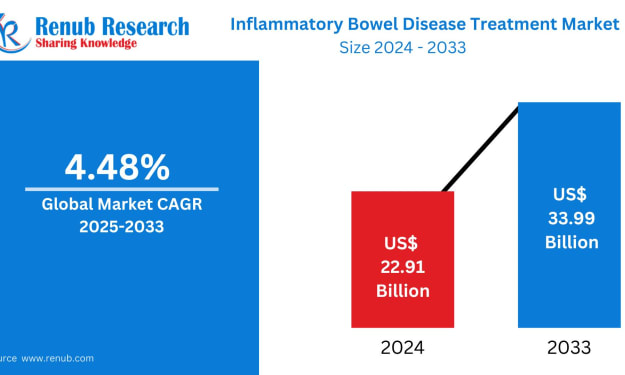
Global IBD Treatment Market: Size, Growth, and the Forces Shaping the Next Decade The inflammatory bowel disease (IBD) treatment market is on a steady upward trajectory as innovation, awareness, and healthcare access converge across regions. Based on Renub Research estimates, the global IBD treatment market is expected to increase from approximately USD 22.91 billion in 2024 to about USD 33.99 billion by 2033, expanding at a CAGR of 4.48% between 2025 and 2033. This growth reflects the rising prevalence of IBD worldwide, the ongoing shift toward biologics and targeted therapies, and a broader push for early diagnosis and long-term disease management.
By Marthan Sir7 days ago in Longevity
A Dart at Dusk
Seconds ago, the sullen sun set on the two of us… my exuberant furry companion and me. A fresh breeze embraces us, delivering welcome relief from the day’s oppressive heat. His typical stumbling and staggering along — apace with a sloth — has turned into trip-trapping, high-stepping, almost skipping along.
By Angie the Archivist 📚🪶7 days ago in Petlife



Comments
There are no comments for this story
Be the first to respond and start the conversation.