
Blackouts (Syncope): Causes and Diagnostic Tests and When to See a Doctor
Blackouts (Syncope)

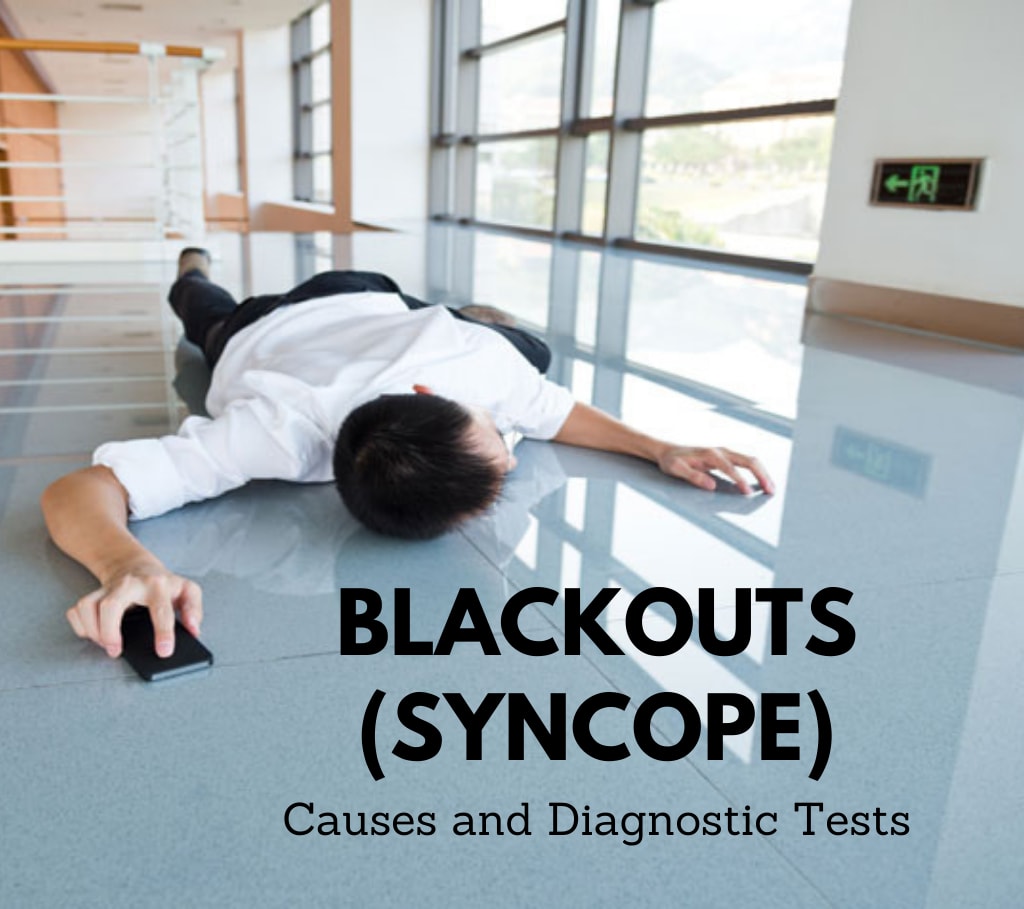
Blackout, medically called syncope, affects many people and about half of the population in the UK experience at least one blackout in their lifetime. In most cases, blackouts do not result from harmful causes and occur once. However, some people experiencing blackouts need further tests as some causes of blackouts are harmful.
What is a blackout (syncope)?
Syncope is a short episode where a person becomes unconscious for no more than a few minutes and recovers fully.
Possible causes of syncope unrelated to the heart
A common cause of a blackout is a fainting episode, also called vasovagal episodes. This occurs when the pulse or blood pressure falls for a short while as a kind of reflex. This usually happens:
- When you’ve been standing for an extended time on a hot day, or you are dehydrated
- As a reaction to fear or pain. It is more common during blood sample collection for blood tests
Causes of syncope related to the heart
About 15%of blackout cases result from a heart problem. Possible heart issues related to syncope include:
- Increased and abnormal heart rate (arrhythmia)
- Slow heart rate (heart block or bradycardia)
- Structural heart problems such as a narrowed heart valve
When does a blackout require emergency attention?
If a blackout results from an underlying heart issue such as slowed, increased or abnormal heart rate, it requires immediate attention. If you have a blackout episode, ensure you visit your doctor to seek medical care and advice.
Your health specialist will assess the chances of the blackout resulting from a severe medical issue and determine whether you need further investigation and treatment.
Diagnostic tests
The following are common diagnostic tests for blackouts;
- Echocardiogram
An echocardiogram is a heart ultrasound scan checking the heart’s function and structure. It helps determine if there is a problem with the valves in the heart.
- More advanced tests
Some people may need more advanced tests, such as loop recorder implants to diagnose the cause of blackouts. A loop recorder is a small device inserted under the skin in the chest area to monitor the heart rate for a few weeks or years. This extended heart monitoring allows the detection of heart rhythm irregularities that an echocardiogram or electrocardiogram may miss.
The tilt test is also an advanced test for diagnosing the cause of blackouts. You will lie on a table that gradually moves your body from a horizontal to a vertical position during the tilt test. This test aims at simulating the feeling of standing up and checking if the brain sends unusual signals that cause blackouts.
Blackout treatments
If the cause of your blackouts is simple faints (vasovagal episodes), the following simple measures can prevent the blackouts;
Lying or sitting down when you feel you are about to have an episode to avoid collapsing
Increasing intake of fluids ensures you remain hydrated, especially on hot days or when you stand for long periods
Clenching your muscles if you feel a blackout episode coming on can increase your blood pressure to prevent the attack from occurring
If your blackouts occur due to an underlying heart condition, you need to visit your healthcare provider to treat the disease. If the blackouts are due to bradycardia or slow heart rhythm, you may need a pacemaker implant. Blackouts resulting from a slow heart rhythm is rare in people below 50 years, but the risk increases with age.
If you have frequent blackouts, ensure you see a private doctor near you for diagnosis and treatment if necessary.
About the Creator
Sara Allen
Sara Allen is a blogger, she is really passionate about sharing vital information on medical care and treatment options through her interesting posts.
Keep reading
More stories from writers in Longevity and other communities.
Day 4 of Quitting
If this is how sobriety feels, maybe it’s better to go through life a little buzzed… this, along with other hits like, I want to kill myself, I wish I was dead, and I’m going to throw myself off a bridge have been the only thoughts on rotation these past few days. I promise myself that if, in a month, I still feel like this (‘this’ meaning despondent, full of rage, and simultaneously numb) I can go back to smoking. Until mid-February though? Nicotine is off the table.
By sleepy drafts12 days ago in Longevity
20 Lessons from Dr. Peter Attia That Actually Extend Your Life
Dr. Peter Attia doesn't talk about health the way most doctors do. He's not optimizing for "normal labs," comfort, or what keeps people compliant. He's optimizing for not dying early and not living your last decades weak, dependent, and fragile.
By Destiny S. Harris4 days ago in Longevity


Comments
There are no comments for this story
Be the first to respond and start the conversation.