
Black Tea - History, Nutritional Value And The Difference Between Black And Green Tea
Do you drink black tea?
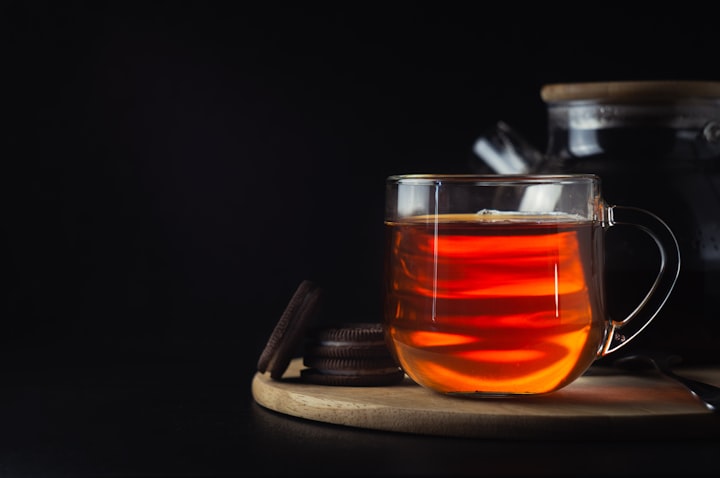
Black Tea: History
Until the middle of the 17th century (late Ming Dynasty and early Qing Dynasty) the only teas consumed in China were green teas (non-oxidized) and Oolong teas (semi-oxidized).
The story goes that as an army passing through the area entered Fujian Province, the soldiers decided to take shelter in a nearby tea factory. This stopped the production activities at the tea factory, and the tea leaves were left in the sun, causing them to oxidize for a longer period, resulting in darker leaves. To speed up drying time, they decided to dry the leaves over pinewood, creating Lapsang Souchong, which became one of the first black teas.
Although compressed, post-fermented teas (pu - erh) were already known as "black teas" in China, the term was usurped by Dutch and British traders who began to identify Chinese "red teas" as "black teas". "because of the dark color of the dried leaves. Even today, Chinese "red tea" is still called "black tea" in the Western world.
Green tea, black tea, oolong tea - all come from the same tea plant, Camellia Sinensis. The leaves are simply processed differently. Green tea leaves are not fermented; they are dry and steamed. The leaves of black tea and oolong are subjected to a process of crushing and fermentation.
The big difference between black tea and green or oolong tea is that it is much more oxidized. This means that black tea has much more color, aroma, and higher levels of caffeine. This oxidation process means that black tea also retains its quality and aroma over the years more than any other type of tea, which helps to spread and well-deserved fame.
Consumed in China for over 5,000 years, tea is today the second most consumed beverage in the world, after water. Teas from very old trees or famous shrubs can be very expensive, some of them having a higher price per gram than gold.
Research in recent years has revealed more and more beneficial effects for health, tea being recommended in almost any natural treatment recipes, as support or alternative to almost any diet.
Black Tea: Nutritional Values
Many people drink black tea for vigilance, considering it a natural energizer. There is scientific evidence to show that this works.
Black tea is said to be the best tea when we want to take our daily dose of energy, being the tea richest in theine. It also contains a bit of a stimulant called theophylline. Both can speed up the heart rate, so black tea is not recommended in the evening.
Black tea also has a high content of healthy substances called polyphenols. Polyphenols are antioxidants that can help protect cells from DNA damage. Some scientists believe that specific antioxidants in tea, including polyphenols and catechins, can help prevent some cancers.
For example, some research shows that women who regularly drink black tea have a much lower risk of ovarian cancer than women who do not.
Black tea is rich in amino acids, volatile oils, potassium, iodine, phosphorus, fluorine, vitamins B1, B2, C, PP, and K. Tea leaves from the plant Camellia Sinensis contain ingredients such as catechins, polyphenols, and flavonoids that influence neurotransmitters in the brain. , important in combating stress. Also, caffeine, theobromine, or theophylline have an invigorating effect on the nervous system.
The difference between green tea and black tea
As previously mentioned, both black tea and green tea come from the same tea plant, Camellia Sinensis. Whether these tea leaves become green or black tea depends on how they are processed, how the process is completed after the needles are harvested.
Green tea is obtained from tea leaves, which are simply steamed and dried shortly after harvest. Black tea is dry and crushed, which allows the action of enzymes (which occur naturally in tea leaves) to transform some simple green tea catechins into more complex shapes.
These compounds are responsible for the distinct aroma and darker color of black tea. They are also well-known "antioxidants" in tea responsible for much of its benefits.
About the Creator
Keep reading
More stories from James Heavystorm and writers in Longevity and other communities.
What Happens If You Do Not Take Your Minimum Recommended Dose of Fiber Every Day
Fiber is a type of indigestible carbohydrate that the body needs in order to function. When you do not consume enough fiber, your body gives you certain signals that you should pay attention to.
By James Heavystorm4 years ago in Longevity
Healthy Eating on a Student Budget: A Realistic Weekly Guide
Being a student in Malaysia often comes with tight budgets, packed schedules, and unpredictable class timetables. But eating healthy food on a student budget in Malaysia doesn’t have to be impossible. With a little planning, local ingredients, and RM-based budgeting, you can enjoy cheap healthy meals in Malaysia while supporting your energy, focus, and overall health.
By Being Inquisitive4 days ago in Longevity
Bomb Scare
It was 2027, and the world never thought it would happen. A missle hit the United States, but it wasn't where they had anticipated. A little town in the northeast was hit by a missile strike, they didn't know why, and they didn't know exactly where it hit, but they did know it was a coastal community, somewhere between Maine and Delaware.
By Gregory Payton2 days ago in Fiction


Comments
There are no comments for this story
Be the first to respond and start the conversation.