
Beginners Guide To Intermittent Fasting
Everything You Need To Know
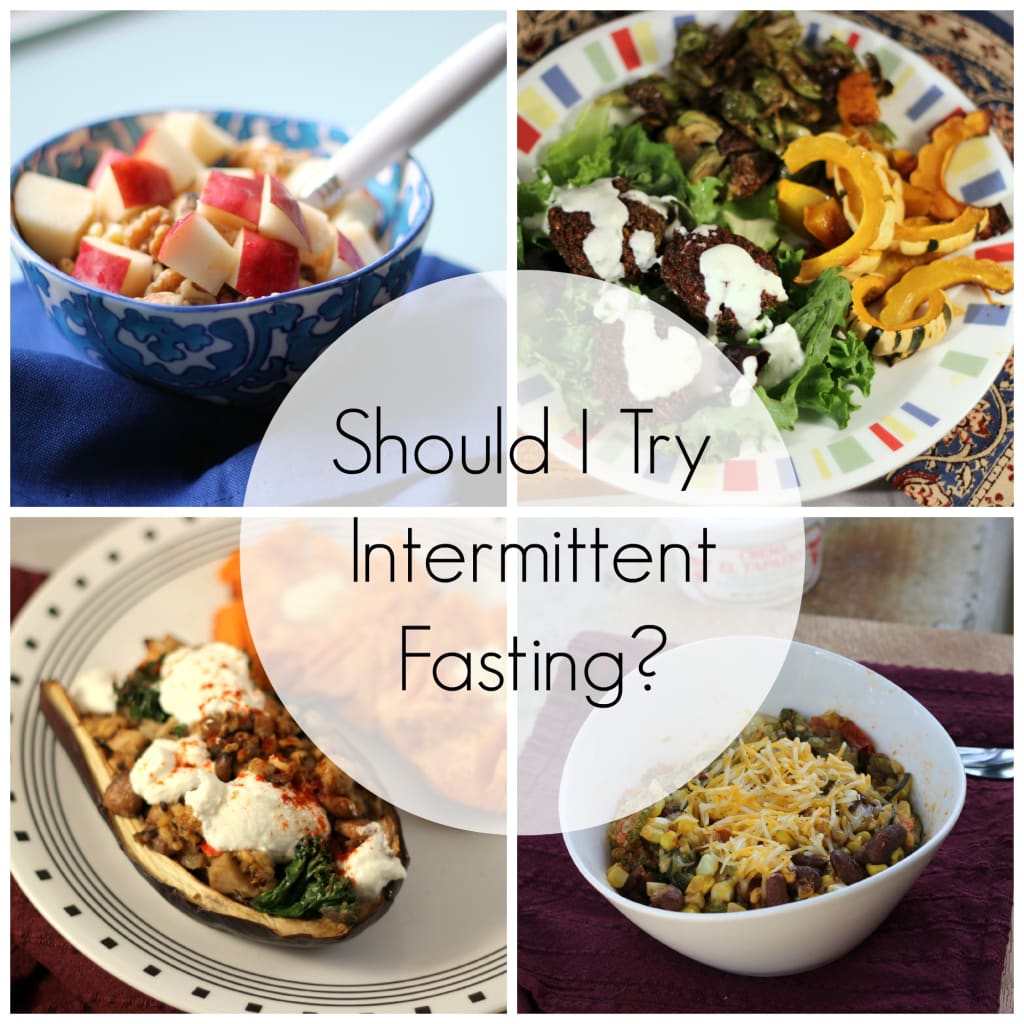
Without a shadow of a doubt, if you have ever tried to lose weight you have heard these two healthy eating rules:
1. Make sure you eat breakfast every morning. Breakfast is the most important meal of the day as it gets your metabolism working straight away. Don’t forget the studies showing that if you eat early in the day, you lose more weight than if you eat later or skip a meal.
2. Eat lots of small meals. Apparently, you should eat six small meals so your metabolism is operating at full capacity all day.
So, what are they saying? If you eat breakfast and lots of small meals, you’ll lose weight and be at your optimal health? I think not. What if there were studies showing that skipping breakfast helps reach optimal human performance, as well as improvements in mental and physical health, increases muscles retention and helps with fat loss? Well, it’s true. That is intermittent fasting.
What is Intermittent Fasting?
The most important think to know about intermittent fasting is that it’s a conscious decision to skip certain meals on purpose, it is NOT a diet.
By following the intermittent fasting lifestyle, you normally consume your daily calories during a certain time frame, and then choose not to eat for a larger duration of time.
16/8 Fasting Plan?
This is where you fast for 16 hours and then eat within an 8-hour window. This could mean you only eat between 12-8 (meaning you skip breakfast). This window could be 8, 6 or 4 hours. The times you are eating you are “feasting”, and when you are not eating you are “fasting”. This feasting and fasting plan is the most common type of intermittent fasting.
With this plan you can completely adapt it to suit your lifestyle. If you would rather breakfast and miss dinner, do that and vice-verse. The flexibility you get with intermittent fasting means you can adjust the times to make it most suitable and effective for you and your lifestyle.
24 Hour Plan?
This one is a bit more complicated than the 16/8 plan. So, with this one, you skip two meals one day meaning you have 24 hours without eating. For example, if with your normal eating schedule, you finish dinner at 7pm, you don’t eat until 7pm the next day. You don’t do this every day though. You eat your regular 3 meals a day, and then sometimes pick a day to skip breakfast and lunch.
There is huge amount of flexibility with this plan as well. Some people choose to fast for 18 or 20 hours, and it still has the same benefits on your body. It’s important to have a play with the time frames and see how your body responds. You can also choose to skip lunch and dinner instead of breakfast and lunch. It’s all about what works best for you. Many nutritionists recommend doing this no more than two times a week.
How Does It Work?
In short times, your skipping a meal meaning you are eating less than you normally would so lose weight.
By getting rid of one meal a day, the calories you consume will be significantly less over the week. But what if I make my two meals a day slightly bigger? You will still be consuming fewer calories. Most people consume 400 calories less a day with intermittent fasting. JAMA recently conducted a study that showed both people on calories restricted diets and intermittent fasters lost similar amounts of weight over a year. However, the timing of meals can also influence how your body reacts.
Our bodies operate differently when we are “fasting” and when we are “feasting”.
After you have eaten a meal, the body spends a few hours processing the food and burning what it can. Therefore, the body has energy that is readily-available and easy to burn, so isn’t using the fat we have stored.
However, when we are “fasting” our bodies do not have any of this readily-available energy to use, so have to use the fat we have stored in our body to create energy.
This is the same principle for working out when “fasting”. Your body doesn’t have a ready supply of glucose and glycogen to get energy from, so has to adapt and get energy from the fat stored in your body.
This lifestyle works for weight loss because our bodies react to eating food by producing insulin. If your body is more sensitive to insulin, your body is more likely to use the energy consumed efficiently. The body is most sensitive to insulin after a period of “fasting”. Glycogen levels are depleted during sleep, and further depleted while exercising, increasing your bodies sensitivity to insulin. Therefore, when you get after a workout, your body uses this food more efficiently. This is because it is converted to glycogen and stored in the muscles, or burnt immediately, reducing the amount which is stored as fat. If you compare this to not doing intermittent fasting, insulin sensitivity will be at normal levels. Consequently, more of the food consumed will be stored as fat.
When you then go back to fasting, growth hormone is increased. When you combine this with the decreased insulin production and increased growth hormone secretion, your body is being prepared for muscles growth and fat loss.
6 Small Meals A Day?
Many diet books recommend eating six small meals a day, and these are the two main reasons why:
1. When you eat a meal, your body has to burn extra calories to process that meal.
The theory behind this is that if you eat small meals throughout the day, your body is constantly burning extra calories, so your metabolism is working at full capacity. Not true. If you have eat 2000 calories in a short period of time, or throughout the day, you are still consuming the same number of calories. So, although this sounds good in principle, in reality it is a completely different story.
2. When you eat smaller meal, you are less likely to overeat.
There is 100% an element of truth to this, especially with people who struggle to control portion size and lack knowledge about how much they should be eating. If you educate yourself and take control with your portion size, you are likely to find eating 6 meals takes a lot of effort. There’s also an argument that you will never feel full, so are more likely to consume more calories from snacks. I personally believe this is only effective for people who struggle with portion control.
A recent study conducted by NYT regarding eating 6 meals a day showed that “there were no statistical differences between the low-and-high meal frequency groups”. They came to the conclusion that “increasing meal frequency does not promote greater body weight loss”.
Benefits of Intermittent Fasting?
There are several benefits of following the intermittent fasting lifestyle that you should consider before committing.
Although not all calories are bad for the body, restricting calories plays a vital role in weight loss. If you want to have consistent weight loss, fasting makes it easier to achieve this by restricting your calorie intake over the week.
Instead of having to prepare meals for all day, you only have to worry about food in your “feasting” time frame, helping to simplify your day. Plus, it’s one less decision to make!
You are also likely to save time and money as you only have to prepare two meals a day. Imagine all the washing up you are saving. Furthermore, you’re only having to buy food for two meals.
As talked about earlier, intermittent fasting increases insulin sensitivity and increases growth hormone secretion – both of which are important for weight loss and muscle growth. Not only will you lose weight, you are also building a stronger body.
As well as all the physical benefits, studies show intermittent fasting can counteract conditions such as Parkinson’s, Alzheimer’s and dementia. In the TEDx video “Why fasting bolsters brain power”, Mark Mattson discusses studies showing these benefits.
Drawbacks of Intermittent Fasting?
The main concern people have is that they will have less energy, difficulty concentration and feeling hungry when fasting.
Here’s the truth, yes you may find it difficult switching to this lifestyle for a week or so. However, once your body has adapted it won’t be difficult.
In a recent study where people fasted for 48-hours, they learnt that “cognitive performance, activity, sleep, and mood were not adversely affected”.
You may feel a bit grumpy, but this is most likely because you are used to eating breakfast. If you are used to eating ever 3 hours, your body will get hungry every 3 hours out of habit. This is the same if you normally eat as soon as you wake up, your body will get hungry as soon as you wake up. You can retrain your body not to expect food at these times, and the side effects will no longer be a big issue. Ghrelin is a hormone that makes you hungry and is at its lowest levels in the mornings. Ever been hungry and then stopped being hungry even though you haven’t eaten? That’s because ghrelin decreases after a couple of hours of not eating.
It’s crucial that you understand intermittent fasting is not going to work if you skip breakfast but then eat 5,000 calories of fast food for lunch and dinner. If you skip breakfast, there is a possibility you will overeat at your other meals, meaning you may put on more weight. The whole concept of fasting is that by skipping a meal each day, you consume less calories and end up losing weight – it’s important to remember this when you are living this lifestyle.
If you have issues with blood sugar regulation, diabetes, hypoglycaemia, etc. you must check with a doctor before changing your eating habits and schedule.
Is It Just for Weight Loss?
Absolutely not, you can build muscle and gain weight while intermittent fasting. Many people use intermittent fasting to decrease their body fat percentage and build muscle. Many body builders believe intermittent fasting has changed the way you can build muscle.
If you are looking to build muscles whilst intermittent fasting, you need to use “bulk and cut” techniques. The bulking is when you overeat to build muscles, and then you “cut” by reducing calories to lose fat.
Differences Between Men and Women?
Intermittent fasting does have different effects on men and women. A study by PubMed states that “fasting can be prescribed as a safe medical intervention as well as a lifestyle regimen which can improve women’s health in many folds”. However, it has been argued that more research needs to be done on the effects on women.
One study shows that “glucose response to a meal was slightly impaired in women after 3 weeks of intermittent fasting, but insulin response was unchanged.” However, men experienced no change in glucose response and a decrease in insulin response.
Another study was conducted looking into the effects of a 72 hour fast on the menstrual cycle. It was concluded that it does cause metabolic changes, there is no impact on the menstrual cycle. However, there was increased amounts of cortisol, and it did cause changes in the central circadian clock which can throw off sleeping patterns.
From looking at this evidence, I believe that intermittent fasting works positively for men but negatively for women. There are lots of articles available regarding the impact on reproductive health, stress and menopause.
It is recommended that women shouldn’t do intermittent fasting if they are pregnant, have a history of disordered eating, suffer from chronic stress, have difficulty sleeping and/or new to diet and exercise.
Frequently Asked Questions?
• Will I get hungry?
You may get hungry due to the routine your body is used to. Your body is able to prepare itself for food by beginning to produce insulin and prepare for food. After a few days, your body will adapt again to your new routine. The more often you eat, the harder you may find this initially.
• Where will I get my energy for exercise?
Research says that exercising with a limited amount of carbohydrates can stimulate changes in muscle cells to produce energy by fat oxidation. Basically, your body will get better at burning fat as there will be a limited amount of carbohydrates available.
• I like the idea of fasted training, but don’t know how to do it with my 9-5 job?
The 16/8 plan can very easily be adjusted to suit your lifestyle and training schedule. If you can’t train until 5pm you could either consume a small meal for lunch or shift the 8 hours to after your workout. Another option is to exercise before work, and don’t eat until lunch time.
• Will it cause muscle loss?
The supplement industry states that 30grams of protein should be consumed every few hours, as that is the largest amount of protein our body can process at any one time. They also tell us, if we don’t consume protein every few hours, our muscles will break down to be burned as energy. NOT TRUE!
Our bodies are able to preserve protein, and protein absorption can take place over many hours. It is possible to burn fat and build muscle at the same time. There is no difference as to whether or not protein is consumed in a short period of time or throughout the day.
• Will my body go into starvation mode?
Starvation mode is a significantly overused term. To experience proper starvation, you have to go extremely long periods of time without food. It takes a lot longer than 24 hours to reach the point of starvation. This is definitely not a possibility with the 16- or 24-hour fasting options discussed in this article.
• How much should I eat?
That all depends on what your goals are. If you are aiming to lose weight, you need to be consuming less calories than you burn every day. If you are wanting to grow muscles, you need to consume more calories than you burn each day. It may be that you eat normal sized meals and lose wight. If that is the case, keep doing that. If you find you are not losing weight, it is most likely because you are eating too much. If this is happening, track your calories for a week and try to reduce them the following week by 10%. Continue doing this until you start to lose weight.
Tips and Tricks:
1. Chill the hell out! Stop overthinking everything. If you want to eat breakfast one day, do it. The body will learn to adapt so there is nothing to stress about.
2. Try fasted walks in the morning. This is a super effective way of reducing body fat, but can also help clear your mind and prepare you for the day. I find a mile walk every morning helps me have a great start to the day.
3. Listen to your body. If you get light-headed, make sure you stop and have some water. You may find you see a significant drop in your performance. If so, make sure you are consuming enough fat and protein during your feasting time periods. If something feels really of, just stop. You need to ease into fasted workouts, especially if you do endurance training.
4. Expect some funny looks. Some people will not understand why you are skipping a meal. To some people it just makes absolutely no sense. Embrace it, don’t let it stop you from doing it.
5. Stay busy. If you just sit around thinking about food, you are more likely to struggle sticking to this lifestyle. During your fasting hours, be super-efficient and productive. This way, you are a lot less likely to think about food.
6. Zero-calories beverages are okay. Some people think you can only have water whilst fasting. Not true. If you want tea, coffee or a zero-calorie fizzy drink nothing is stopping you.
7. Track your results. If you are worried about losing muscle mass, keep track and see if you are getting stronger. You can also track your calories to make sure you are not overeating in your feasting periods.
8. Don’t expect results overnight. Nothing will happen overnight; it will take time and commitment.
How To Get Started?
There are several ways you can live the intermittent fasting lifestyle.
You can either go hardcore and ‘fast and feast’ regularly. This is when you stick to this for 5 or 6 days a week, and follow the 16/8 plan.
Another option is to eat normally and then fast 1 or 2 days a week for 24 hours.
Or if you want an easy method that doesn’t require much work, fast occasionally. Simply eat as normal and then skip a meal when convenient for you.
Now it’s your turn to decide whether or not intermittent fasting is something you want to try!
About the Creator
Keep reading
More stories from writers in Longevity and other communities.
Day 4 of Quitting
If this is how sobriety feels, maybe it’s better to go through life a little buzzed… this, along with other hits like, I want to kill myself, I wish I was dead, and I’m going to throw myself off a bridge have been the only thoughts on rotation these past few days. I promise myself that if, in a month, I still feel like this (‘this’ meaning despondent, full of rage, and simultaneously numb) I can go back to smoking. Until mid-February though? Nicotine is off the table.
By sleepy drafts12 days ago in Longevity
How to Succeed at the Benson Directory®
Congratulations and welcome to the Benson Directory® employee #22391! As our newest call handler, you will have the privilege of speaking with dozens of unique and interesting people on a daily basis as well as the opportunity to earn bonuses for high performance. Contained within this handbook you will find a set of ease to follow instructions designed to help you settle in to your new role and begin paving the way to success.
By S. A. Crawford2 days ago in Fiction
The Devil's Cut
“Comrade, finally you’re awake.” The voice was smooth, sensual. A flickering incandescent bar was all that lit the white, sterile room. All Vladimir remembered was everything going black. He tried to move his arms and found them strapped to the gurney.
By Matthew J. Fromm5 days ago in Fiction




Comments
There are no comments for this story
Be the first to respond and start the conversation.