
Bad News for the Elfstedentocht: “Snow Is the Enemy of Ice”
Dutch Winter Classic Faces Uncertainty as Snowfall Threatens Frozen Canals and Race Conditions”


The Elfstedentocht, the legendary Dutch ice-skating race through eleven cities in Friesland, has always been a symbol of national pride and endurance. However, this year, enthusiasts face grim news: snow, which seems harmless in everyday life, has become the enemy of ice and threatens the much-anticipated event. Experts warn that without the right conditions, the iconic race may be postponed or even canceled, disappointing thousands of skaters and spectators alike.
The Fragile Science Behind Ice Formation
The Elfstedentocht requires extremely specific conditions. Ice must be at least 15 centimeters thick to safely support the tens of thousands of participants who skate the roughly 200-kilometer route. Yet, ice formation is a delicate process. Experts emphasize that snow, while picturesque, acts as an insulator. Snow prevents the cold air from reaching the ice below, slowing the thickening process and even creating weak spots.
“Snow is the enemy of ice,” says Dr. Jeroen van Dijk, a Dutch climatologist. “It may look beautiful, but it absorbs sunlight and heat, preventing the water beneath from freezing properly. Even a few centimeters of fresh snow can drastically reduce ice thickness in the canals and lakes.”
Climate Change and Unpredictable Winters
The threat to the Elfstedentocht is not new. Climate change has caused winters in the Netherlands to become warmer and more unpredictable, reducing the frequency of suitable ice conditions. Historical records show that the Elfstedentocht has only been held fifteen times since the first official race in 1909, with the last event occurring in 1997.
In recent years, meteorologists have noted a pattern: milder winters, irregular snowfall, and sudden thaws make the race increasingly uncertain. In 2026, forecasts suggest a combination of snow and fluctuating temperatures, which experts say could hinder the ice from reaching safe skating thickness.
The Role of Snow Removal in Preserving Ice
Traditionally, volunteers known as “schaatsliefhebbers” work tirelessly to clear snow from the canals, helping the ice to form evenly and remain strong. The work is painstaking and requires coordination across the entire 200-kilometer route. If snow continues to fall or melts unpredictably, even these heroic efforts may not suffice.
“Clearing the snow is a race against time,” explains Pieter de Vries, head of the Elfstedentocht organizing committee. “We rely on sustained cold weather to maintain ice integrity. If snow keeps accumulating, the ice may never be safe for skating.”
Economic and Cultural Impacts
The cancellation or postponement of the Elfstedentocht has consequences beyond disappointment. Thousands of visitors from across the Netherlands and abroad travel to Friesland each time the race occurs, boosting local economies. Hotels, restaurants, and local shops depend on the influx of tourism, while traditional Dutch culture is showcased to a worldwide audience.
“Every Elfstedentocht is a celebration of heritage,” says cultural historian Marijke Bos. “It is not just a race; it is a communal event that connects people across generations. Missing it is a loss not just economically, but culturally as well.”
Adapting to New Realities
Given the changing climate, organizers and skating enthusiasts are exploring adaptive strategies. Some suggest creating artificial ice tracks or using advanced insulation techniques to shield natural ice from snow. Others advocate for virtual events or shorter races on smaller lakes. While these ideas may help preserve the spirit of the Elfstedentocht, purists insist that nothing can replace the traditional route through Friesland’s canals and towns.
The Hope of Dutch Winter Lovers
Despite the challenges, hope persists. Many Dutch people remain optimistic that cold snaps may still arrive in time for the ice to form adequately. Social media is buzzing with the hashtag #Elfstedentocht2026, where fans track weather forecasts, share old memories, and discuss preparations.
“Every winter is a chance,” remarks van Dijk. “Even with the threat of snow, we can never fully predict nature. If conditions align, the Elfstedentocht will return, as it always has, and will continue to captivate hearts across the nation.”
Conclusion
The Elfstedentocht, an emblem of Dutch resilience and tradition, faces a precarious future. Snow, once seen as a winter delight, now stands as a significant obstacle, complicating ice formation and threatening the safety of skaters. Combined with unpredictable winters and climate change, the race’s organizers face a daunting task. Yet, the determination of volunteers, the optimism of fans, and the enduring cultural significance of the event give hope that one day, the skates will once again glide across Friesland’s frozen waterways.
In the meantime, enthusiasts wait, eyes on the sky and temperatures, hoping that nature grants them another chance to witness this extraordinary spectacle. After all, for the Dutch, the Elfstedentocht is more than a race—it is a living testament to their enduring connection with ice, water, and winter itself.
About the Creator
Fiaz Ahmed
I am Fiaz Ahmed. I am a passionate writer. I love covering trending topics and breaking news. With a sharp eye for what’s happening around the world, and crafts timely and engaging stories that keep readers informed and updated.
Keep reading
More stories from Fiaz Ahmed and writers in Longevity and other communities.
The Most Beautiful and Talented Female Athletes: Redefining Strength and Grace
In a world where sports have traditionally been dominated by men, female athletes are steadily breaking boundaries, not just through their extraordinary talent but also through their poise, charisma, and dedication. Today, beauty and athleticism coexist, challenging outdated stereotypes and inspiring millions across the globe. The most beautiful and talented female athletes are celebrated not only for their skill but also for their role in empowering women in sports.
By Fiaz Ahmed 29 days ago in Longevity
Day 4 of Quitting
If this is how sobriety feels, maybe it’s better to go through life a little buzzed… this, along with other hits like, I want to kill myself, I wish I was dead, and I’m going to throw myself off a bridge have been the only thoughts on rotation these past few days. I promise myself that if, in a month, I still feel like this (‘this’ meaning despondent, full of rage, and simultaneously numb) I can go back to smoking. Until mid-February though? Nicotine is off the table.
By sleepy drafts12 days ago in Longevity
The Hidden Power of the Nerve Endings in Your Feet
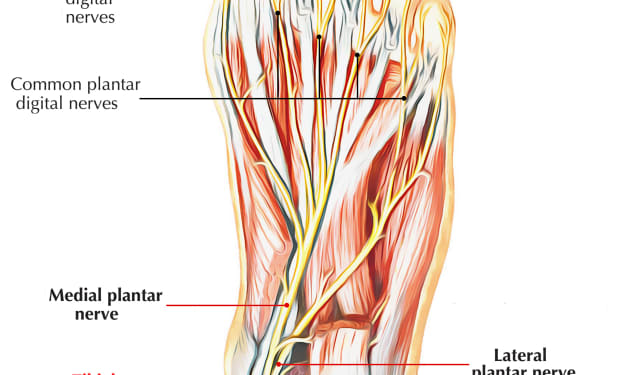
Most people don’t give much thought to their feet unless they’re uncomfortable or tired. Yet beneath the surface, the nerve endings in the feet are constantly working, sending vital information to the brain that influences balance, posture, and movement. These signals operate quietly in the background, but they play a far greater role in daily life than many people realize.
By AhmedFitLife5 days ago in Longevity



Comments
There are no comments for this story
Be the first to respond and start the conversation.