
Australia Bionic Devices Market Size and Forecast 2025–2033
How Innovation, Government Support, and Medical Breakthroughs Are Redefining Healthcare in Australia


Australia Bionic Devices Market at a Glance
Australia’s healthcare sector is undergoing a remarkable transformation, driven by cutting-edge medical technology that blurs the line between biology and engineering. Among the most impactful innovations are bionic devices—advanced medical implants and wearable systems designed to restore or enhance human body functions lost due to injury, disease, or congenital conditions.
According to Renub Research, the Australia Bionic Devices Market was valued at US$ 107.91 million in 2024 and is projected to reach US$ 229.01 million by 2033, expanding at a strong CAGR of 8.72% from 2025 to 2033. This robust growth reflects rising healthcare needs, rapid technological innovation, and strong institutional support across the country.
Bionic technology is no longer experimental in Australia—it is rapidly becoming a core component of modern healthcare delivery, improving quality of life for thousands of patients and positioning the nation as a global leader in medical innovation.
What Are Bionic Devices and Why They Matter
Bionic devices are medical systems that use electronic, mechanical, and biological components to replicate or enhance natural body functions. These include cochlear implants that restore hearing, artificial hearts that sustain life, advanced prosthetic limbs that move intuitively, and neural implants that reconnect damaged pathways between the brain and body.
Australia has played a pioneering role in this field. The cochlear implant, one of the most successful bionic inventions in history, was developed in Australia and has transformed hearing for millions worldwide. Today, the country continues to lead with innovations such as bionic eyes, artificial hearts, and neural interfaces, supported by a strong ecosystem of research institutes, universities, hospitals, and government-backed programs.
With an aging population, rising chronic diseases, and increasing awareness of assistive technologies, bionic devices are rapidly shifting from niche solutions to mainstream medical interventions.
Key Growth Drivers in the Australia Bionic Devices Market
1. Technological Advancements in Biomedical Engineering
Australia’s innovation ecosystem is one of the strongest in the Asia-Pacific region. Institutions such as the Bionics Institute, CSIRO, and leading universities are developing next-generation bionic systems that are more responsive, precise, and adaptable to human physiology.
In February 2022, Australia’s world-first Bionic Eye System received Breakthrough Device designation from the U.S. Food and Drug Administration (FDA). Developed through a collaboration between the Bionics Institute, Centre for Eye Research Australia, CSIRO’s Data61, and the University of Melbourne, the technology aims to restore functional vision for people with retinitis pigmentosa and other degenerative eye diseases.
Such breakthroughs significantly accelerate patient adoption and enhance Australia’s global reputation in medical technology.
2. Strong Government Support and Healthcare Investment
Government funding plays a critical role in the expansion of the bionic devices market. National initiatives such as the National Disability Insurance Scheme (NDIS), healthcare innovation grants, and biomedical research funding have lowered barriers to adoption for both patients and manufacturers.
In February 2024, the Australian Government announced a $50 million investment to develop and commercialize the world’s most advanced artificial heart—a technology expected to halve deaths from heart failure globally and contribute $1.8 billion to Australia’s economy and society.
Such investments not only encourage local innovation but also attract global partnerships and clinical trials, strengthening Australia’s position as a medical technology hub.
3. Rising Prevalence of Chronic Diseases and Disabilities
Chronic illnesses are a major driver of bionic device demand. In 2024, more than 64% of Australia’s disease burden was attributed to chronic conditions such as cardiovascular disease, diabetes, arthritis, and neurological disorders. As life expectancy increases, so does the incidence of hearing loss, mobility impairment, and organ failure.
This growing health burden is accelerating the adoption of implantable and wearable bionic solutions, particularly for long-term care, rehabilitation, and assisted living. Early diagnosis, improved awareness, and better reimbursement systems are further supporting market penetration.
Challenges Facing the Australia Bionic Devices Market
High Costs and Accessibility Gaps
Despite strong government support, bionic devices remain expensive due to complex manufacturing processes, advanced materials, and ongoing R&D requirements. While subsidies help, not all patients qualify for full coverage, and out-of-pocket expenses can be significant.
Access also remains uneven across regions. Rural and Indigenous communities often lack specialized facilities and trained professionals, limiting adoption and follow-up care. Addressing these disparities is essential for inclusive market growth.
Technical Limitations and Patient Adaptation Issues
Not all bionic devices integrate seamlessly with human physiology. Challenges such as infection, mechanical failure, device rejection, and user training barriers can affect long-term outcomes. Older patients and those with limited technical exposure may struggle with device management, highlighting the need for better training, support systems, and simplified designs.
Segment Insights: Where Growth Is Happening
Australia Heart Transplant Bionic Devices Market
Bionic heart technologies, including ventricular assist devices (VADs) and total artificial hearts, are gaining prominence as donor organs remain scarce. Australia’s advanced cardiac care infrastructure and skilled surgical teams support rapid adoption of these life-saving technologies.
In March 2025, St Vincent’s Hospital successfully implanted Australia’s first BiVACOR Total Artificial Heart, marking a major milestone in cardiac care and offering renewed hope to patients with end-stage heart failure.
Australia Orthopedic Bionic Devices Market
Orthopedic bionics—including prosthetic limbs, spinal implants, and exoskeletons—are seeing strong demand due to aging demographics, sports injuries, and trauma-related disabilities. AI-powered motion sensors and adaptive joints now allow prosthetics to mimic natural movement more closely than ever before.
Government rehabilitation programs and hospital partnerships are making these technologies more accessible, improving patient mobility and independence.
Australia Implantable Bionic Devices Market
Implantable devices such as cochlear implants, retinal implants, and neural stimulators remain the backbone of Australia’s bionics industry. These devices provide long-term solutions for sensory and motor impairments and continue to benefit from clinical research, funding, and streamlined regulatory pathways.
Australia’s leadership in cochlear implants remains a global benchmark for success in bionic innovation.
Australia Electronics Bionic Devices Market
Modern bionics depend on high-performance electronics—microprocessors, biosensors, actuators, and wireless interfaces. Australia’s growing investment in medical electronics is enabling real-time feedback, enhanced durability, and energy efficiency in next-generation devices.
Local technology firms and research collaborations are playing a vital role in improving connectivity, precision, and patient comfort.
End-User Analysis: Where Bionic Devices Are Used
Hospitals & Clinics
Hospitals and clinics remain the primary hubs for bionic implantation, diagnosis, and follow-up care. Australia’s metropolitan hospital network is well-equipped for complex procedures such as neural implants and artificial organ placement. Collaborative programs with research institutes ensure access to the latest technologies and skilled professionals.
Healthcare Facilities and Rehabilitation Centers
Specialized rehabilitation centers and outpatient facilities play a crucial role in long-term bionic care. These facilities offer customized therapy, device calibration, and digital monitoring services, ensuring patients achieve maximum benefit from their bionic systems.
As remote monitoring and telehealth expand, healthcare facilities are becoming more integrated and patient-centric.
Market Segmentation Overview
By Product
Auditory Bionic / Cochlear Implants
Heart Transplant Devices
Orthopedic Bionics
Neural Bionics
By Fixation
Implantable
Wearable / Externally Worn
By Technology
Electronics
Mechanical
By End User
Hospitals & Clinics
Ambulatory Surgical Centers
Healthcare Facilities
Key Companies Shaping the Market
All major players have been analyzed across four viewpoints: Overview, Key Person, Recent Developments, and Revenue.
Leading companies include:
Cochlear Ltd.
Medtronic Australasia Pty Ltd
Edwards Lifesciences Australia Pty Ltd
Baxter International Inc.
Boston Scientific Corp
Abiomed Australia Pty Ltd
Abbott Laboratories
These organizations are driving innovation through R&D, partnerships, and localized manufacturing strategies, strengthening Australia’s competitive position globally.
Final Thoughts: A Bionic Future for Australian Healthcare
The Australia bionic devices market is entering a golden era of innovation. With strong government backing, world-class research, and rising healthcare needs, bionic technology is rapidly becoming a cornerstone of modern medicine. From restoring hearing and mobility to sustaining life itself, these devices are redefining what is medically possible.
As costs decline, accessibility improves, and technology becomes more intuitive, bionic devices will move beyond specialized care and become a standard part of healthcare delivery across Australia.
About the Creator
jaiklin Fanandish
Jaiklin Fanandish, a passionate storyteller with 10 years of experience, crafts engaging narratives that blend creativity, emotion, and imagination to inspire and connect with readers worldwide.
Keep reading
More stories from jaiklin Fanandish and writers in Longevity and other communities.
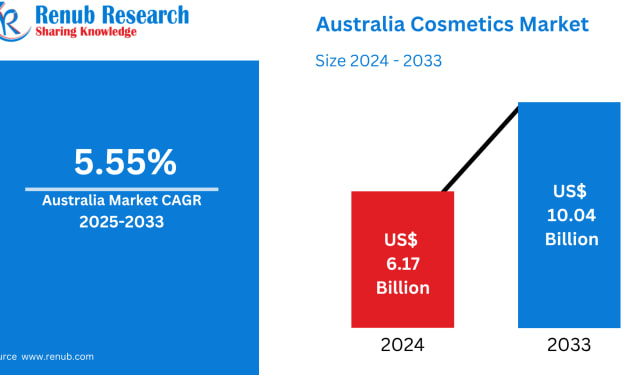
Australia Cosmetics Market Size and Forecast 2025–2033
Australia Cosmetics Market Overview The cosmetics industry represents far more than appearance enhancement—it is a reflection of lifestyle, self-care, science, and cultural identity. Cosmetics include a wide range of products designed to cleanse, protect, nourish, and beautify the skin, hair, and body, while also enabling self-expression and confidence. From skincare and makeup to fragrances and haircare, the industry continuously evolves by blending innovation with changing consumer expectations.
By jaiklin Fanandishabout 2 hours ago in Longevity
Day 4 of Quitting
If this is how sobriety feels, maybe it’s better to go through life a little buzzed… this, along with other hits like, I want to kill myself, I wish I was dead, and I’m going to throw myself off a bridge have been the only thoughts on rotation these past few days. I promise myself that if, in a month, I still feel like this (‘this’ meaning despondent, full of rage, and simultaneously numb) I can go back to smoking. Until mid-February though? Nicotine is off the table.
By sleepy drafts15 days ago in Longevity
Which City Is Called the Queen of the Arabian Sea: Discover Its History, Trade Legacy, and Multicultural Heritage
The “Queen of the Arabian Sea” is a title that evokes images of bustling harbors, golden sunsets over tranquil waters, and centuries of cultural exchange. This title belongs to Mumbai, India’s financial capital and one of the most iconic cities on the western coast of the country. From its strategic location on the Arabian Sea to its rich history and vibrant multicultural society, Mumbai’s story is as fascinating as it is complex.
By Fiaz Ahmed Brohi3 days ago in Longevity


Comments
There are no comments for this story
Be the first to respond and start the conversation.