
Apple’s AI Health Revolution: Inside Project Mulberry
How Personalized Coaching and Food Tracking Could Transform Your Well-Being in 2025

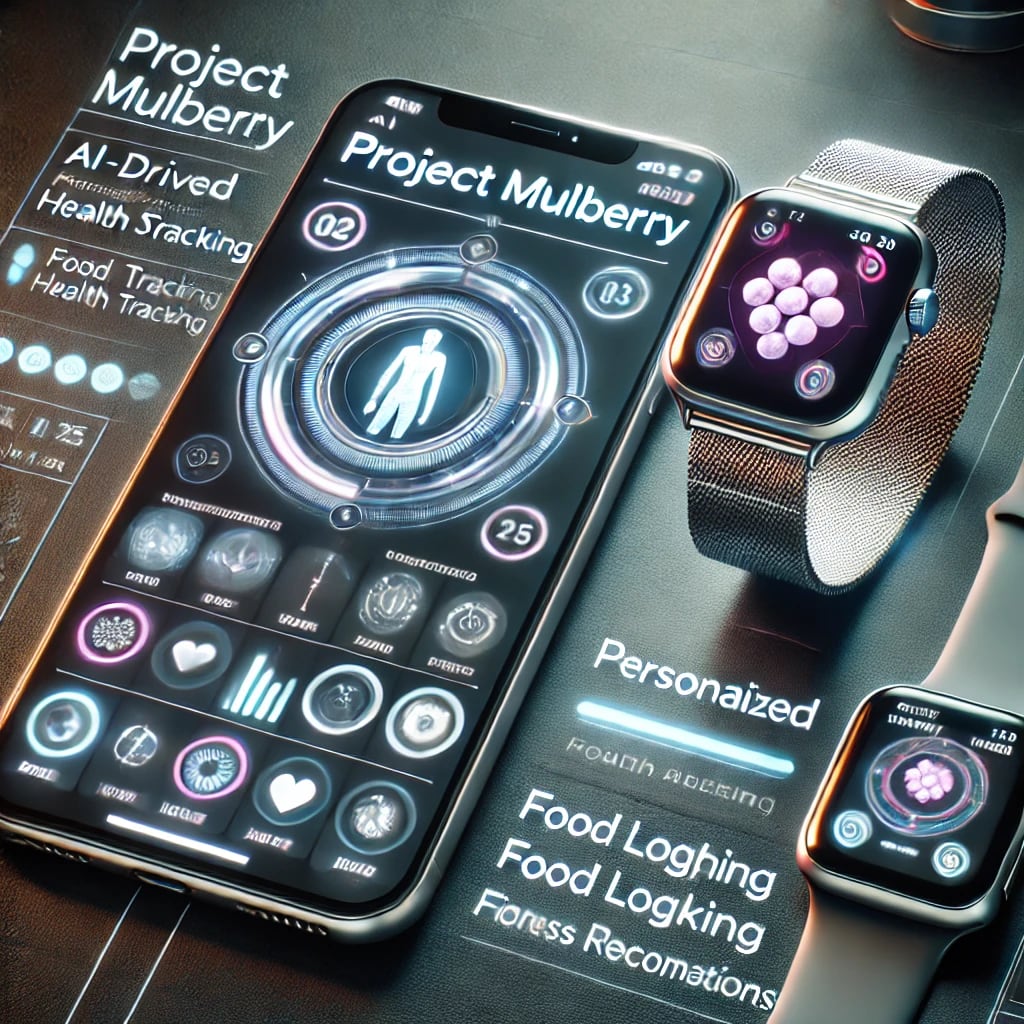
Detailed Analysis and Observations
Apple’s venture into AI-driven health coaching with "Project Mulberry" marks a significant expansion of its health tech portfolio, building on previous efforts and aiming to integrate seamlessly with its ecosystem. This section provides a comprehensive overview, expanding on the key points and including additional context for a thorough understanding.
Background and Context
Apple has long been involved in health-related features, with the Apple Watch offering capabilities like heart rate monitoring and activity tracking. However, "Project Mulberry" represents a deeper dive into personalized health management, leveraging artificial intelligence to provide more than just data—it aims to offer actionable, tailored advice. This project is an evolution of "Project Quartz," which focused on AI-driven health coaching for exercise, diet, and sleep, suggesting a continuity in Apple’s strategy to enhance user well-being through technology.
The timing of the potential release, with iOS 19.4 expected in spring or summer 2025, aligns with Apple’s typical update cycle, providing a realistic timeline for users to anticipate these new features. Given the current date, March 31, 2025, this timeline is plausible and fits within industry expectations for major software updates.
Functionality of the AI Health Coach
The AI agent, often referred to as a "health coach" in reports, is designed to collect data from Apple devices, including the Apple Watch and iPhone. This data includes metrics such as daily steps, heart rate, sleep duration, and potentially screen time, which could correlate with mental health or sleep quality. The AI will analyze this data to identify patterns and trends, offering personalized recommendations. For instance:
- If the AI detects irregular sleep patterns over weeks, it might suggest improving the sleep environment, such as reducing screen time before bed, or recommend consulting a professional if issues persist.
- For physical activity, it could encourage users to increase steps or try new exercises if current routines aren’t yielding desired results.
This level of personalization is a step beyond mere tracking, aiming to act as a proactive health companion. The AI’s ability to detect potential health issues, such as declining sleep quality, adds a layer of preventive care, which could be particularly beneficial for users monitoring chronic conditions.
Training and Reliability
To ensure the AI’s advice is trustworthy, Apple is reportedly using data from its in-house medical staff to train the system, ensuring it understands medical terminology and can provide accurate guidance. Additionally, the company is recruiting external experts in various health fields, including:
- Sleep specialists, to address issues like insomnia or sleep apnea.
- Nutritionists, to offer dietary advice tailored to individual needs.
- Physical therapists, for exercise recommendations, especially for rehabilitation.
- Mental health professionals, to provide insights on stress and well-being.
- Cardiologists, to focus on heart health, given the Apple Watch’s existing heart rate monitoring capabilities.
These experts will also create video explainers, which will be integrated into the Health app. This educational component is noteworthy, as it could empower users with knowledge, such as understanding the importance of a balanced diet or the impact of sleep on overall health. For example, if the AI recommends dietary changes, users might watch a video on nutrition tailored to their specific needs, enhancing engagement and understanding.
Emphasis on Food Tracking
One of the more unexpected developments is Apple’s focus on food tracking, an area where it has historically been less active. The revamped Health app is expected to allow users to log meals, either manually or through integration with other apps or devices, such as smart kitchen scales. The AI will analyze the nutritional content of these meals, providing feedback on whether the user is meeting dietary goals, such as adequate protein intake or reduced sugar consumption. It might suggest healthier alternatives, like swapping a sugary snack for fruit, or recommend balanced meal plans based on the user’s preferences and health objectives.
This move positions Apple to compete directly with established players like MyFitnessPal and Noom, which have long dominated the food tracking and diet coaching space. This competition could drive innovation, offering users more choices and potentially better-integrated solutions within the Apple ecosystem.
petitive Landscape and Market Implications
The inclusion of food tracking is particularly significant given Apple’s cautious approach in the past. By entering this market, Apple could leverage its brand loyalty and ecosystem integration to attract users from competitors. For instance, MyFitnessPal offers extensive food databases and community features, while Noom focuses on behavioral change through coaching. Apple’s AI-driven approach, combined with its device ecosystem, could provide a seamless experience, potentially attracting users who value convenience and privacy, given Apple’s emphasis on data security.
Historical Challenges and Resilience
Apple’s health initiatives have faced hurdles, notably the removal of the blood oxygen feature from the Apple Watch in 2024 due to a patent dispute with Masimo, a medical technology firm. This dispute highlighted the legal and regulatory challenges in the health tech space, particularly around medical device classifications and intellectual property. Despite this setback, Apple’s commitment to "Project Mulberry" suggests a resilient strategy, aiming to diversify its health offerings and mitigate risks through partnerships and expert collaborations.
Potential Impact and User Experience
The integration of AI health coaching into the Health app could transform how users interact with health technology. By providing personalized advice and educational content, Apple aims to make health management more accessible and engaging. For example, a user with irregular sleep might receive not only advice but also a video explaining sleep cycles, enhancing their understanding and motivation to improve. This holistic approach could appeal to a broad audience, from fitness enthusiasts to those managing chronic conditions.
Timeline and Expectations
Given the projected release with iOS 19.4 in mid-2025, users can expect more details in the coming months, potentially at Apple’s Worldwide Developers Conference (WWDC) in June 2025. This timeline aligns with industry norms for major software updates, and given Apple’s track record, the rollout is likely to be well-coordinated, with beta testing phases to refine features.
Conclusion
"Project Mulberry" represents Apple’s ambitious step toward integrating AI into personalized health management, leveraging its ecosystem and expertise to offer a comprehensive solution. While past challenges, such as the blood oxygen feature removal, highlight the complexities of health tech, Apple’s focus on training, education, and new features like food tracking suggests a promising future. As we approach the potential release, this project could redefine how we approach health, making it more personalized, accessible, and empowering.
About the Creator
Keep reading
More stories from Muhammad Waseem khan and writers in Longevity and other communities.
Val Kilmer, Hollywood Icon, Passes Away at 65
Points - Val Kilmer passed away on April 1, 2025, in Los Angeles at age 65, likely from pneumonia, as reported by multiple sources. - He had previously battled and recovered from throat cancer diagnosed in 2014.
By Muhammad Waseem khan12 months ago in Geeks
🍓 8 Best Fruits for Pregnant Women
Pregnancy is a time when nutrition becomes more important than ever. What a mother eats during these months directly supports the growth and development of her baby. Among the many healthy foods recommended during pregnancy, fruits stand out as one of the easiest and most nutritious options.
By Being Inquisitive2 days ago in Longevity
Why Students Feel Productive at Night
Why Students Feel Productive at Night? Many students have experienced this strange pattern. During the day, studying feels difficult. You sit at your desk, open your notes, and suddenly everything else feels more interesting. Your phone, social media, even cleaning your room becomes more appealing than studying.
By Being Inquisitive2 days ago in Longevity




Comments
There are no comments for this story
Be the first to respond and start the conversation.