
Allergic Conjunctivitis Market Trends & Summary
Rising Allergy Burden Spurs Market Growth Toward US$ 2.52 Billion by 2033


The Allergic Conjunctivitis Market is on a steady upward trajectory, driven by a sharp rise in allergic conditions worldwide and the growing demand for advanced eye-care solutions. According to Renub Research, the market is projected to reach US$ 2.52 Billion by 2033, up from US$ 2.00 Billion in 2024, reflecting a CAGR of 2.31% between 2025 and 2033.
Allergic conjunctivitis remains one of the most common allergic eye disorders globally. With increasing exposure to environmental allergens—such as dust, pollen, pollution, and pet dander—millions of individuals experience symptoms including redness, irritation, itching, watery eyes, and swelling. While the condition is non-infectious, it can severely impair daily activities and quality of life.
The Global Allergic Conjunctivitis Market analysis covers disease type (SAC & PAC), drug class (Antihistamines & Mast Cell Stabilizers, Corticosteroids, Others), distribution channel (Hospital/Online/Retail Pharmacies), and leading countries, along with a comprehensive company landscape.
Understanding Allergic Conjunctivitis: A Growing Global Concern
Allergic conjunctivitis occurs when the immune system overreacts to allergens, triggering inflammation of the conjunctiva—the membrane lining the eyelids and eye surface. The release of histamines leads to familiar symptoms like itching, redness, and excessive tearing.
Common treatments include:
Antihistamine eye drops
Mast cell stabilizers
Corticosteroids
Combination drugs
Artificial tears
Immunotherapy for long-term control
In recent years, research and diagnostic capabilities have expanded significantly, leading to better-targeted therapies, improved formulations, and broader awareness of allergic conditions.
Market Growth Drivers
1. Increasing Prevalence of Allergies Worldwide
A surge in allergic diseases—especially hay fever, allergic rhinitis, and asthma—is the leading force behind market expansion. Environmental pollution, urban lifestyles, and climate shifts have intensified allergic triggers, causing millions more to seek medical care.
WHO data shows 30–40% of the world’s population now suffers from at least one allergy.
More than 300 million people live with asthma, many with co-existing allergic conjunctivitis.
As awareness grows, patients increasingly pursue targeted treatment, fostering new research and product innovation. This continuous rise in global allergy cases directly elevates demand for effective eye-allergy solutions.
2. Advancements in Drug Development and Combination Therapies
Pharmaceutical companies are accelerating innovation in allergic conjunctivitis therapies. Combination treatments—especially those merging antihistamines with mast cell stabilizers—are rapidly gaining traction due to their superior efficacy and convenience.
Recent developments:
Jan 2024: Lupin Limited received FDA approval for its loteprednol etabonate ophthalmic suspension 0.2%, a generic version of Bausch + Lomb’s Alrex.
Sustained-release formulations and improved delivery systems, including nasal sprays and advanced preservative-free drops, are enhancing patient adherence and comfort.
Product innovation remains one of the strongest engines of market growth.
3. Rising Investments in Healthcare Infrastructure
Governments and private healthcare entities worldwide are investing heavily in advanced medical infrastructure, particularly in allergy care and eye health.
Sept 2024: China launched pilot programs to expand openness in the medical sector, boosting innovation and access to allergy treatment.
Improved diagnostic facilities, digital consultations, and specialized clinics are giving patients easier access to treatment—thus widening market opportunities, especially in Asia-Pacific and Latin America.
Market Barriers
1. Side Effects of Long-Term Drug Use
Corticosteroids—though highly effective—can cause side effects when used long-term:
Elevated intraocular pressure
Cataract formation
Increased risk of infections
This concern discourages continuous usage, urging companies to develop lower-dose or short-duration formulations. Unless mitigated through innovation and education, fear of side effects may restrict wider adoption.
2. Low Awareness in Rural and Underserved Regions
A significant percentage of allergic conjunctivitis cases in developing economies remain undiagnosed. Many individuals mistake eye pain or redness for simple irritation.
Low awareness leads to:
Delayed treatment
Misdiagnosis
Poor market penetration
This gap is most pronounced in rural areas of India, Africa, Southeast Asia, and Latin America, highlighting the need for public education initiatives.
Key Market Segments
By Disease Type
Seasonal Allergic Conjunctivitis (SAC)
Perennial Allergic Conjunctivitis (PAC)
Seasonal Allergic Conjunctivitis (SAC) Trends
SAC is triggered mainly by pollen during peak allergy seasons. OTC drugs continue to dominate this segment due to easy accessibility and quick relief.
Recent development:
Aug 2024: OCuSOFT introduced Retaine Allergy, a prescription-strength antihistamine for itchy, dry eyes.
Growing spring and fall allergy cycles ensure consistent demand for fast-acting, long-lasting solutions.
By Drug Class
Antihistamines & Mast Cell Stabilizers
Corticosteroids
Others
Corticosteroids Market Insight
Corticosteroids remain the primary treatment for moderate-to-severe allergic conjunctivitis. Despite concerns over adverse effects, their therapeutic power ensures sustained market demand.
Ongoing innovations focus on:
Lower dosages
Safer formulations
Short-term therapeutic regimes
These improvements aim to enhance clinical outcomes while minimizing risk.
By Distribution Channel
Hospital Pharmacies
Retail Pharmacies & Drug Stores
Online Pharmacies
Others
Hospitals Lead in Specialized Care
Hospitals serve as the backbone of allergic conjunctivitis treatment, especially in complex or recurrent cases. With the rise of advanced diagnostic equipment and clinical research, hospitals are playing a pivotal role in shaping new therapies.
Regional Market Analysis
United States
The U.S. holds a dominant position due to high allergy prevalence, strong insurance coverage, and rapid adoption of new therapy options.
April 2024: FDA approved LUMIFY Preservative-Free as a fast-acting solution for allergic conjunctivitis symptoms, offering relief within one minute.
Growing consumer awareness, robust R&D investment, and presence of major global players ensure continued leadership.
Germany
Germany is a key contributor to the European market, with a mature regulatory landscape and a strong focus on clinical innovation.
Nov 2023: The EU approved EBGLYSS (lebrikizumab) for moderate-to-severe atopic dermatitis, with initial launch in Germany, signaling broader advancements in immuno-allergy therapies.
The country’s emphasis on patient education and specialized care helps fuel steady market growth.
India
India is experiencing rapid market expansion as pollution and urbanization elevate allergy cases. Growing insurance coverage, better healthcare access, and rising demand for cost-effective therapies strengthen its market position.
Sept 2024: ENTOD Pharmaceuticals’ PresVu eye drops secured DCGI approval, marking a significant step in accessible eye-care solutions.
However, limited awareness in rural regions remains a major challenge—and an opportunity for educational outreach.
Brazil
Brazil’s allergic conjunctivitis market is evolving quickly due to industrialization and high urban density. Investments in healthcare and widespread use of OTC allergy medications are driving growth.
Yet, rural healthcare disparities continue to hinder full-scale market penetration. Telemedicine and digital health platforms may bridge the gap.
UAE
The UAE faces high allergen prevalence due to desert climate and dust exposure. With advanced medical infrastructure and rising adoption of allergy treatments, the country shows strong market potential.
Nov 2024: Regeneron and Sanofi’s resubmitted application for Dupixent highlights growing expansion of immunotherapy in chronic allergic diseases.
Favorable policies and growing medical tourism amplify the UAE’s attractiveness in the Middle East market.
Market Segmentation Overview
Disease Types
Seasonal Allergic Conjunctivitis (SAC)
Perennial Allergic Conjunctivitis (PAC)
Drug Classes
Antihistamines & Mast Cell Stabilizers
Corticosteroids
Others
Distribution Channels
Hospital Pharmacies
Retail Pharmacies & Drug Stores
Online Pharmacies
Others
Regional Coverage
North America: U.S., Canada
Europe: France, Germany, Italy, Spain, U.K., Belgium, Netherlands, Turkey
Asia-Pacific: China, Japan, India, Australia, South Korea, Thailand, Malaysia, Indonesia, New Zealand
Latin America: Brazil, Mexico, Argentina
Middle East & Africa: South Africa, Saudi Arabia, UAE
Key Players (5-Point Analysis Each: Overview, Key Person, Product Analysis, Recent Development, Revenue)
Ajanta Pharma Limited
Akorn Operating Company LLC
Alembic Pharmaceutical Ltd.
Cipla Inc.
Indoco Remedies Ltd.
Johnson & Johnson
Novartis AG
Ocular Therapeutix, Inc.
Sun Pharmaceutical Industries Ltd.
Teva Pharmaceutical Industries Ltd.
Final Thoughts
The Allergic Conjunctivitis Market is entering a phase of steady yet meaningful growth, underpinned by increasing disease prevalence, expanding healthcare capabilities, and rapid advancements in therapeutic technology. The rising burden of allergies—not only in developed nations but also across emerging markets—ensures sustained demand for both prescription and OTC solutions.
While challenges such as limited awareness and drug side effects persist, ongoing innovation and global health initiatives are expected to overcome these barriers. As companies expand portfolios, governments boost healthcare investments, and consumers seek faster, safer, and more convenient treatment options, the market is well-positioned for long-term advancement.
With a projected value of US$ 2.52 Billion by 2033, allergic conjunctivitis treatment remains a crucial and evolving area within global eye care—one that will continue shaping the future of ophthalmic health.
About the Creator
Marthan Sir
Educator with 30+ years of teaching experience | Passionate about sharing knowledge, life lessons & insights | Writing to inspire, inform, and empower readers.
Keep reading
More stories from Marthan Sir and writers in Longevity and other communities.
Breast Implant Market Trends & Summary: Growing Demand, Technology Breakthroughs, and Global Market Outlook (2025–2033)
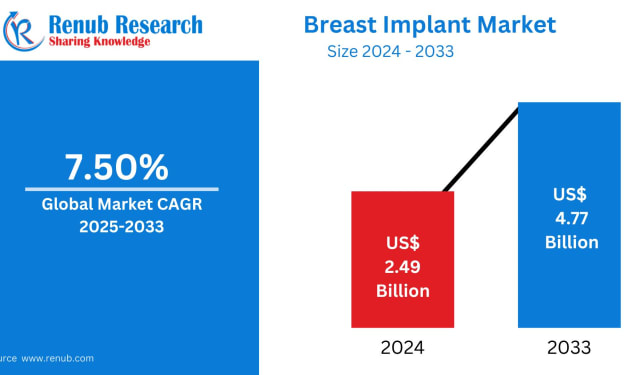
The global Breast Implant Market, valued at US$ 2.49 billion in 2024, is projected to grow to US$ 4.77 billion by 2033, according to Renub Research. This reflects a CAGR of 7.50% during 2025–2033, driven by rising demand for cosmetic enhancements, technological innovations in implant materials, and a growing number of breast reconstruction procedures globally.
By Marthan Sir2 months ago in Longevity
Day 4 of Quitting
If this is how sobriety feels, maybe it’s better to go through life a little buzzed… this, along with other hits like, I want to kill myself, I wish I was dead, and I’m going to throw myself off a bridge have been the only thoughts on rotation these past few days. I promise myself that if, in a month, I still feel like this (‘this’ meaning despondent, full of rage, and simultaneously numb) I can go back to smoking. Until mid-February though? Nicotine is off the table.
By sleepy drafts8 days ago in Longevity



Comments
There are no comments for this story
Be the first to respond and start the conversation.