
ADHD: diet and nutrition to improve focus
Best foods to eat and a sample diet plan

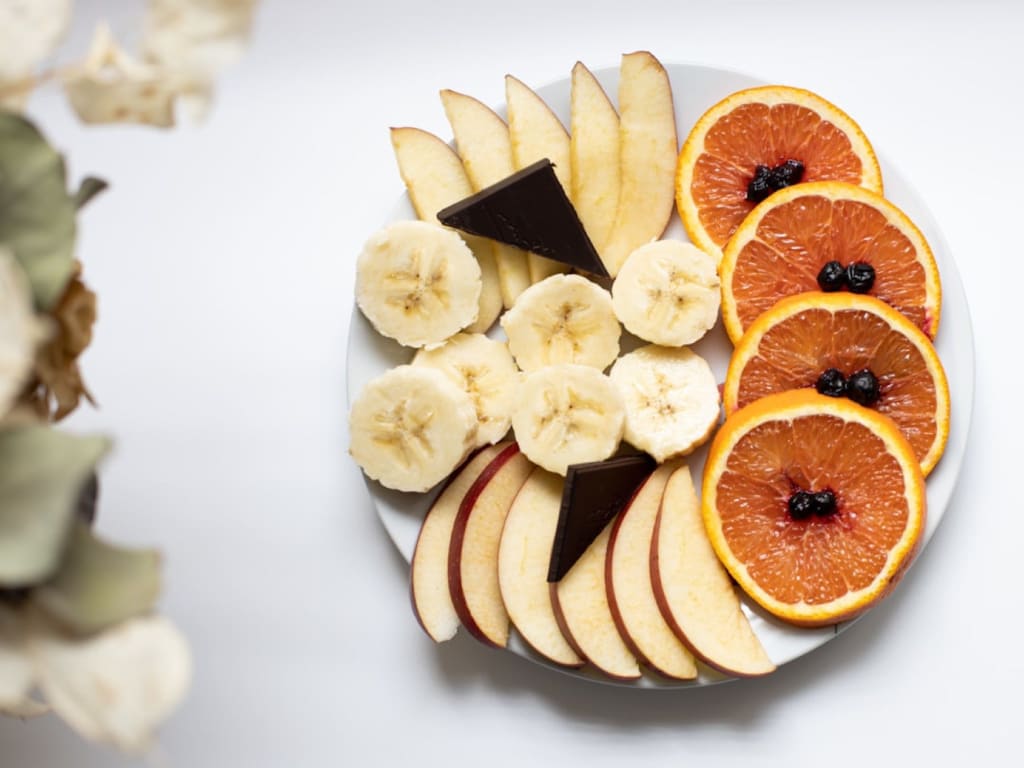
British spelling (so you know)
Yesterday, I was talking to my sister on WhatsApp about stuff when suddenly we began talking about ADD and ADHD.
She is trying to find out if her short-memory issues and lack of focus are related to ADHD. She was never diagnosed, either as a child or as an adult, despite consulting with various healthcare professionals and psychologists. They only recommended her to do meditation.
Later in the evening, I decided to put on my science journalist hat and do some research. I then decided to start a series of ADD/ADHD related articles to help her in her quest looking for answers for self-improvement, less suffering, and enjoying life better.
Then I decided to publish them, in case this investigation can help others who may be trying to learn more about ADD and ADHD. So, here is the first article of the series.
Remember to always consult with your physicist before embarking on dramatic changes in your diet.
According to the World Health Organisation (WHO), attention deficit hyperactivity disorder (ADHD) affects around 5% of children and 2.5% of adults worldwide.
In the United States alone, rates of diagnosis and treatment tend to be high with an estimated rate at between 8% and 10%.
Many people with ADHD struggle with short-term memory.
They can perfectly recall details about their childhood, but are unable to tell you the key points of the meeting they had 3 minutes earlier.
A desk calendar and a reminder system in addition to a digital calendar and reminder app that sync across devices can become an easy and effective strategy to aid someone with ADHD, or with attention deficit disorder (ADD) since not everyone experiences hyperactivity.
Since nutrition plays a paramount role in the chemistry of the brain, one of the questions is centred on the foods that people with ADHD should increase or adopt when planning their meals.
Can eating certain foods on a regular basis improve the symptoms of ADD and ADHD?

ADHD and nutrition
People with ADHD can benefit from eating a good amount of specific and highly nutritious foods to help maintain their focus.
According to the Attention Deficit Disorder Association (ADDA), yes. ADDA gives this formula in order to improve focus:
Eating well + getting plenty of sleep + exercising regularly = Better ability to focus
Adults with ADHD benefit from a diet that is well-balanced and includes fruits and vegetables paired with whole grains, healthy fats, and proteins.
Current studies show that various nutrients can help improve your ADHD symptoms and the lack of certain nutrients may worsen your symptoms affecting your ability to manage them effectively.
Some research suggests that the symptoms of inattention associated with ADHD may improve with increased consumption of fruits and vegetables.
An ADHD diet should include:
Fruits and vegetables: 1.5 to 2 cups of fruits and 2 to 3 cups of vegetables per day
Complex carbohydrates: apples, kiwis, berries, whole grains such as oatmeal, brown rice, quinoa, barley, whole-wheat bread or pasta, legumes such as peas, beans, and lentils. Complex carbohydrates may help improve focus and attention. Reducing simple carbohydrates like sugar and white flour may reduce specific ADHS symptoms
Protein-rich foods: including eggs, lean meat, cheese, nuts, soy, and low-fat yoghurt. Some research found that having a protein-rich breakfast can help enhance mood, attention, and alertness
Healthy fats: omega-3 and omega-6 fatty acids may help support your heart health, memory, and immune system. Foods include fatty fish such as salmon, tuna, and mackerel, soybean, walnuts, flaxseeds, tofu, chia seeds, avocados. Some research found that omega-3 and omega-6 fatty acids may help improve hyperactivity, impulsivity, and attention symptoms in ADHD.

Sample healthy meal plan that may be a good option for adults with ADHD
Breakfast: avocado and eggs on whole-wheat toast, herbal tea or coffee
Snack: natural yoghurt with berries and chia seeds
Lunch: a salad with baked salmon and quinoa on a bed of mixed green leaves, cucumber, and bell peppers topped with sunflower seeds
Snack: sliced apple dipped in peanut butter
Dinner: chicken and vegetable curry with brown rice
Dessert (optional): good quality dark chocolate and herbal or fruit tea
Try this meal plan for at least a couple of weeks and see if you notice a difference.
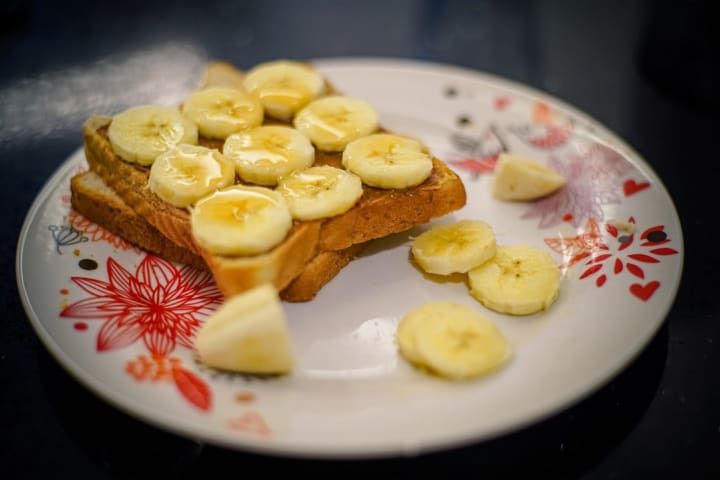
Banana: a powerful source of nutrition: a great snack and dessert
You can say a banana a day keeps distractions away (my own saying). In other words, a simple and delicious banana is actually a fantastic ADHD superfood as it’s high in magnesium, fibre, potassium, and vitamin B6.
When giving tips to its students to get through exams, the University of Wollongong Australia (UWA)cites bananas as one of the foods that boost concentration and a source of happy energy.
Other foods to improve concentration according to the UWA are oats, salmon, and nuts. Although not technically a food, drinking a lot of water to stay hydrated seems to play a role in improving concentration.
Despite some research suggests that certain food choices may help improve some symptoms of ADHD, the evidence is limited and the results may depend on each unique individual. In any case, healthy eating is always the best choice.
If you are wondering if you have ADD or ADHD this self-screening online test for adults made available by the Attention Deficit Disorder Association and prepared by The World Health Organisation (WHO) might help you as a first step to recognise the signs and symptoms of adult ADHD.
There is a paper version if you prefer to download and print the test.
The test will take approximately 3–10 minutes to complete.
With an accurate diagnosis, many treatment options and coping strategies become available. ADHD is not a “one size fits all” disorder, and many factors must be considered before a definitive diagnosis is made and appropriate treatment is found. The ADHD test for adults is a great first step if you’re trying to understand your symptoms.
***
About the writer: Susan Fourtané is a science and technology journalist, professional writer, dead media archeologist, photography enthusiast, a free-spirited maverick, and sometimes a hermit. She travels capturing the essence of what she thinks it’s interesting.
Subscribe, if you are curious, to receive my stories directly into your inbox every time I publish; read them at a convenient time for you. Thank you!

Disclaimer: This information is based on journalistic research for orientation purposes only and not intended as a substitute for informed medical advice. You are encouraged to consult with a healthcare professional before starting any diet plan.
About the Creator
Susan Fourtané
Susan Fourtané is a Science and Technology Journalist, a professional writer with over 18 years experience writing for global media and industry publications. She's a member of the ABSW, WFSJ, Society of Authors, and London Press Club.
Keep reading
More stories from Susan Fourtané and writers in Longevity and other communities.
Coffee before exercising increases fat-burning and weight-loss
A strong coffee first thing in the morning followed by a workout session or a half an hour run is a great way to kick-start the day. According to research, a cup of coffee accelerates fat-burning consequently increasing weight-loss.
By Susan Fourtané 2 years ago in Longevity
Day 4 of Quitting
If this is how sobriety feels, maybe it’s better to go through life a little buzzed… this, along with other hits like, I want to kill myself, I wish I was dead, and I’m going to throw myself off a bridge have been the only thoughts on rotation these past few days. I promise myself that if, in a month, I still feel like this (‘this’ meaning despondent, full of rage, and simultaneously numb) I can go back to smoking. Until mid-February though? Nicotine is off the table.
By sleepy drafts7 days ago in Longevity




Comments (2)
It was really usufull and interesting. Thaks Susan and sister
Thanks for this