
A Guide to Sleep Apnea
Sleep apnea is one of the most common sleeping disorder that is found among individuals.
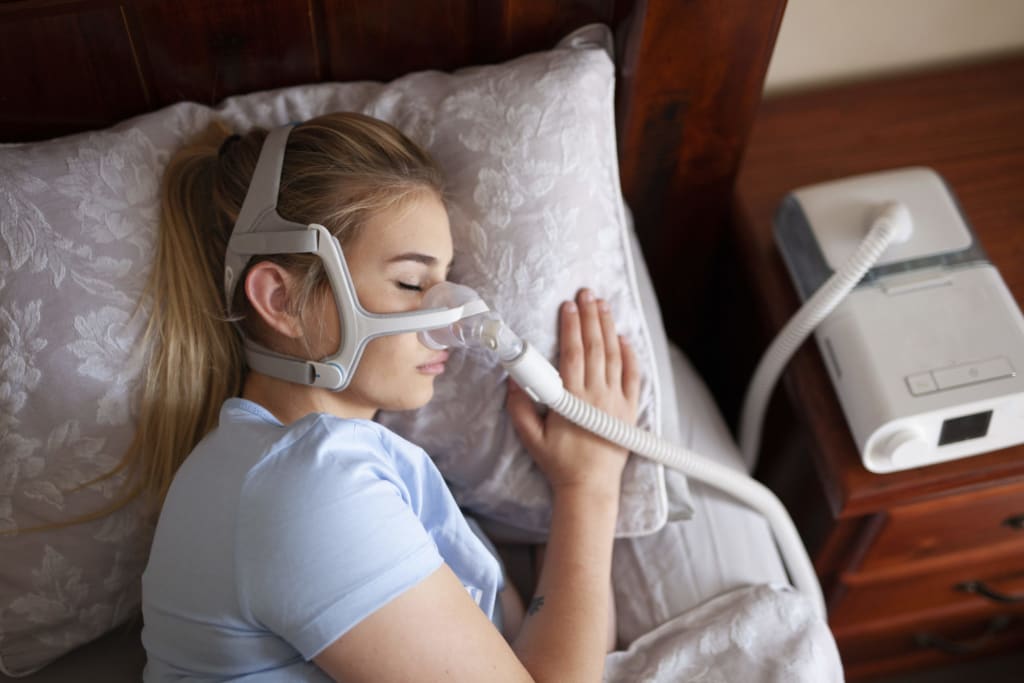
Sleep is important and vital for every human being. Getting the right amount of sleep also constitutes the same. With improper sleep comes consequences that can affect your overall health causing distress in your daily life. Inadequate sleep can affect our cognitive development making slight and varying issues. If one is not getting sufficient sleep, then it can be a sign of sleep apnea. Sleep apnea is a sleeping disorder that affects more than 1% of the total population. Have you ever noticed your partner snoring in the middle of the night? Or he/she suddenly stops breathing while sleeping? These can all occur due to sleep apnea. Sleep apnea is one of the most dangerous and serious health conditions, if left untreated can cause serious implications. Today we will cover what is sleep apnea, how sleep apnea is caused and the treatment for sleep apnea as well.
What is sleep apnea?
When your breathing gets interrupted or disrupted during sleep is the sleep condition; sleep apnea. The repeated breathing disruption can last upto 5-100 times an hour with a period of 10-15 second breathing stoppage. Due to lack of proper oxygen makes it difficult forcing you to breathe harder. These constant disruptions means in your natural sleep rhythm you are more in light sleep rather than deep and restorative sleep which constitutes to be energetic, mentally sharp and focussed for making the next day productive.
Different types of sleep apnea
Sleep apnea consists of different types. It varies accordingly from individual to individual.
Obstructive Sleep Apnea (OBA): This is the common type of sleep apnea which affects the muscles that support the soft tissues of the upper airway to relax, blocking the normal air flow during sleep. This can result in loud snoring and interrupted breathing.
Central Sleep Apnea (CSA): This is caused usually because of an underlying health condition. It involves the central nervous system in which the brain stops sending signals to the muscles that control the breathing of the body.
Mixed Sleep Apnea: This is purely the combination of OBA and CSA ie, obstructive sleep apnea and central sleep apnea.
Symptoms of sleep apnea
Unless you have a partner alongside you to notice any unusual scenarios occurring during, there is no other way for you to find out what is happening in your sleep.
There are several signs that are noticeable if you happen to have the condition of sleep apnea. You may ask your partner to monitor when you are sleeping or even record yourself when you are sleeping. Here are a few symptoms to look out for:
- Repeated snoring (loud)
- Choking or gasping during sleep
- Sleepiness during daytime, fatigue even if you spend all day in bed
- Sore throat or dry mouth
- Headache in the morning
- Shortness of breath in the middle of the night leading to loss of sleep.
- Insomnia, nighttime awakening
- Frequent visits to the bathroom in the middle of the night
Causes of sleep apnea
Even though the main symptoms are mentioned above, here are some with certain risk factors included-
Gender: Males tend to have an increased sleep apnea occurrence than women but in a circumstance of menopause, women tend to have increased occurrence of sleep apnea.
Age: Sleep apnea doesn’t have an age relevance. Although studies show that people who are getting older or in their 50s and 60s tend to experience more of these symptoms. If you notice any of the symptoms and did not reach the age limit, ensure to consult with your physician.
Weight: People who are overweight and obese tend to have more problems regarding sleep apnea.
Smoking: People who are regular smokers are three times more likely to have an increased chance of sleep apnea than people who have not smoked in their life.
Medical conditions such as allergies causing nasal congestions can also be factors and risk resulting in sleep apnea.
Treatments for sleep apnea
Causes of sleep apnea can vary from individual to individual. Although most symptoms occur due to medical issues, there are some that are caused by the lifestyle of the individual. Those can be treated just by changing lifestyles. Here are some of the treatment options for sleep apnea:
Regular exercise: With regular exercise you cannot totally neglect and avoid the issue of sleep apnea although it can reduce the occurrence of breathing episodes of your sleep apnea and improve your overall energy to be productive for the next day. For improving breathing, exercises such as yoga, aerobic exercises etc can help.
Continuous positive airflow pressure therapy: Sleep apnea occurs due to a blockage in their airflow which in turn disrupts sleep. CPAP therapy is a treatment option that is common in sleep apnea treatment. A CPAP device is a machine that uses an airtight nosepiece or hose to deliver a steady stream of air as you sleep. This can help to prevent stoppage of breathing as the air pressure keeps your airway open.
Sleeping on the side: Sleep apnea can increase when you lie on your back. It is the worst position to sleep in the first place as it can cause the jaw, tongue and other soft issues to drop back to the throat that result in blocking in your airway. Lying on your side is a much sleeping position as it will help keep your airway open.
Looking Ahead
It is important to get a good night's sleep if you want a healthy lifestyle. But it is also critical to have a healthy lifestyle if you have such sleeping disorders. Follow regular exercise along with a healthy diet.
About the Creator
Keep reading
More stories from Daniel Brannum and writers in Longevity and other communities.
Different security risks around your home
Being a homeowner comes with a lot of challenges. Apart from internal risks such as proper construction, internal water or gas leaks leading to excessive damage, accidental damage etc also there are several outdoor risks as well such as fire, natural disasters, flooding, breaks-ins etc. It is important to keep in mind these risks before moving in with your family. Having taken necessary precautions to overcome such risks is one of the major roles of a homeowner.
By Daniel Brannum4 years ago in Lifehack
Day 4 of Quitting
If this is how sobriety feels, maybe it’s better to go through life a little buzzed… this, along with other hits like, I want to kill myself, I wish I was dead, and I’m going to throw myself off a bridge have been the only thoughts on rotation these past few days. I promise myself that if, in a month, I still feel like this (‘this’ meaning despondent, full of rage, and simultaneously numb) I can go back to smoking. Until mid-February though? Nicotine is off the table.
By sleepy drafts12 days ago in Longevity
Global Nepheline Market Size and Forecast 2025–2033
Introduction The global nepheline market is steadily gaining attention as industries seek more efficient, sustainable, and cost-effective raw materials. According to Renub Research, the global nepheline market is expected to grow from US$ 179.25 million in 2024 to US$ 230.63 million by 2033, registering a compound annual growth rate (CAGR) of 2.84% from 2025 to 2033. This growth reflects the increasing use of nepheline in glass, ceramics, and refractory applications, as well as a broader industrial shift toward energy-efficient and environmentally responsible production processes.
By Aaina Oberoi7 days ago in Longevity




Comments
There are no comments for this story
Be the first to respond and start the conversation.