
9 Tips to Reduce the Chances of Varicose Veins Recurring
Sometimes, varicose veins recur even after removal. Although we cannot avoid all risks, we can definitely reduce the chance of the condition coming back after vein treatment. Here are a few examples and reasons why you should use them in your life.
Sometimes varicose veins recur even after removal. Although we cannot avoid all risks, we can definitely reduce the chance of the condition coming back after vein treatment. Here are a few examples and reasons why you should use them in your life.
1. Embrace Exercise and Movement
In our increasingly digital world, it is easy to fall into sedentary behavior. The screens that attract our attention may keep us glued to our chairs for hours. However, our veins, the quiet workhorses of the circulatory system, want movement.
Periodic physical pauses can be beneficial to your venous health in the same way that taking a mental break can be. Short, brisk walks, even around the workplace or at home, can help to increase blood circulation.
When you have a minute of rest, lift your legs to allow gravity to help with the effective return of blood to the heart. Embracing exercise is a simple but significant step in protecting against varicose veins.
2. Commit to Fitness
It's not only about the adrenaline rush or the toned muscles. Fitness is really about celebrating our bodies' abilities. Activities that speak to your soul, whether the rhythmic serenity of swimming, the excitement of cycling, or the contemplative cadence of walking, may be transforming. As your heart rate rises, so does the strength of your circulation.
The pumping motion of the calf muscles during these activities functions as a supplementary heart, moving blood higher and counteracting gravity's pull. So, commit to a regimen as a tribute to your cosmetic goals and strong venous health.
3. Balance On the Scales
Your weight is more than a number, and there is no shame in carrying additional pounds. However, extra weight, particularly around the waist, can strain the veins in your lower extremities. A balanced weight promotes a healthy interaction between your body's frame and mass.
Prioritizing a healthy weight through a balanced diet and regular exercise is more than just an homage to your physical attractiveness; it's a show of concern for your complicated venous network.
4. Dress For Success
Fashion may be a wonderful way to express oneself, but what is current may not always be beneficial to our health. Tight-fitting clothes, particularly around key regions such as the waist, groin, and legs, might reduce blood flow. While choosing clothing that highlights our figure is appealing, establishing a balance is critical.
Choose clothes that allow for free mobility and circulation. Prioritize comfort and remember that good clothing is about both showing off your style and caring for your health.
5. Avoid Salt
Salt is more than simply a spice; it is profoundly ingrained in our diets. However, consuming too much salt can tilt the health balances, resulting in water retention and unwanted edema. Reducing salt is a modest nod to your veins, helping to relieve the extra strain that edema may cause.
6. Choose Proper Footwear
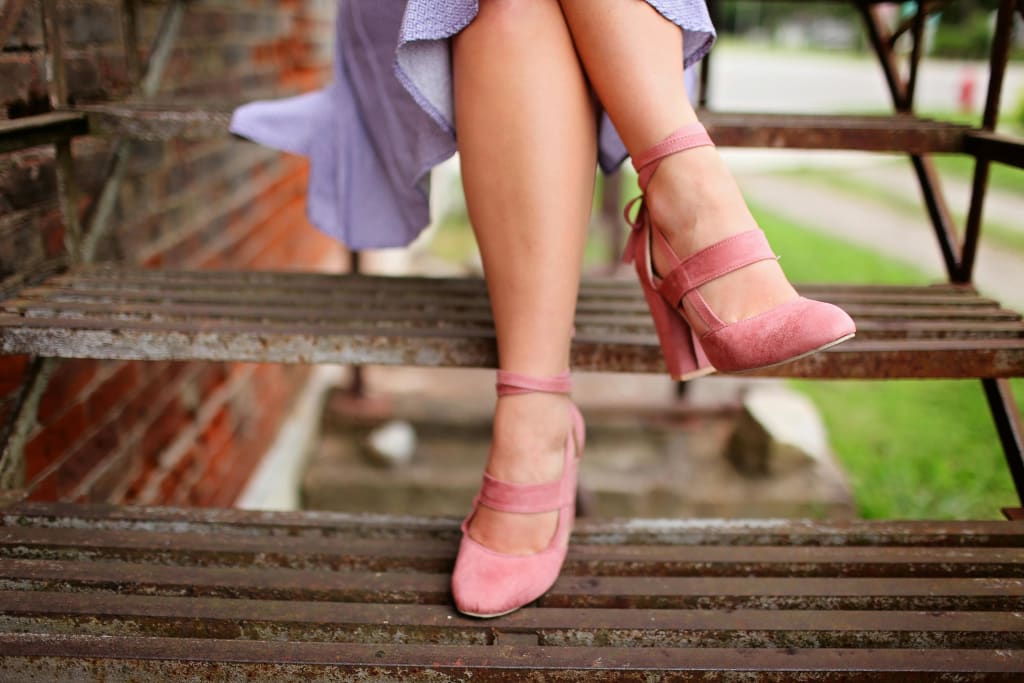
The appeal of high heels is apparent. They exude grace, elegance, and a sense of strength. However, beauty does not always come free. High heels can reduce the effectiveness with which our calf muscles pump blood.
Maybe it's time to start wearing more low-heeled shoes. Aside from their aesthetic value, these shoes increase calf muscle activation, which improves blood circulation and venous health.
7. Avoid Tight Clothing
Restrictive clothes, particularly around critical regions such as the waist, legs, and groin, can be silent villains in preventing proper blood flow. Yes, your clothes should reflect your individuality and provide comfort, but they should also allow for free movement and encourage good circulation. Celebrate your body by giving it the space it needs to function properly.
8. Raise the Legs
Elevating your legs on occasion is one of the most simple yet impactful ways you can care for your veins. Taking small breaks throughout the day to rest while lifting your legs above the level of your heart allows gravity to help your circulation and general health. Imagine resting down with your legs pleasantly situated on three or four pillows, enabling your complex movement and blood flow to take place. It's a moment of relaxation, a nod to circulation, and a celebration of general health.
9. Avoid Prolonged Periods of Sitting or Standing
Our daily routines, whether desk occupations or professions that require extended standing, might have an unintended negative impact on our vascular health. Staying in one location for too long reduces your dynamic blood flow. Fill your day with moments of change - shift, walk, stretch, and alternate between sitting and standing. It is not about huge moves, but about small alterations that keep the circulation rhythm alive, allowing your veins to continue their dedicated work without force.
About the Creator
Amelia Grant
I am journalist, and blogger.
Keep reading
More stories from Amelia Grant and writers in Longevity and other communities.
6 Reasons Invisalign Might Be Smarter Than Braces
So, you want straight teeth, but you're not about to relive your middle school metal-mouth era. We get it. Maybe you have a wedding coming up, a high school reunion, or just a healthy fear of lettuce getting permanently lodged in your braces. Whatever your reason, there’s a modern solution that’s the iPhone of orthodontics: Invisalign. Let’s talk about why this clear aligner trend is not only smarter than traditional braces, but also way, way cooler.
By Amelia Grant6 months ago in Longevity
Day 4 of Quitting
If this is how sobriety feels, maybe it’s better to go through life a little buzzed… this, along with other hits like, I want to kill myself, I wish I was dead, and I’m going to throw myself off a bridge have been the only thoughts on rotation these past few days. I promise myself that if, in a month, I still feel like this (‘this’ meaning despondent, full of rage, and simultaneously numb) I can go back to smoking. Until mid-February though? Nicotine is off the table.
By sleepy drafts11 days ago in Longevity
STD Self-Testing Market Size and Forecast 2025–2033
Introduction: A Quiet Revolution in Sexual Health The way people approach sexual health is undergoing a significant transformation. Once bound by social stigma, long clinic wait times, and concerns over privacy, diagnostic testing for sexually transmitted diseases (STDs) is increasingly moving into the home. At the center of this shift is the rapidly expanding STD self-testing market, which empowers individuals to screen for infections in a private, convenient, and accessible manner.
By Janine Root 5 days ago in Longevity


Comments
There are no comments for this story
Be the first to respond and start the conversation.