
8 Tips to Recover Faster After Gum Graft Surgery
Gum recession can occur due to a variety of factors, including sickness, injury, dietary habits, and aging. Gum grafting is a technique that involves grafting healthy gum to receding areas.

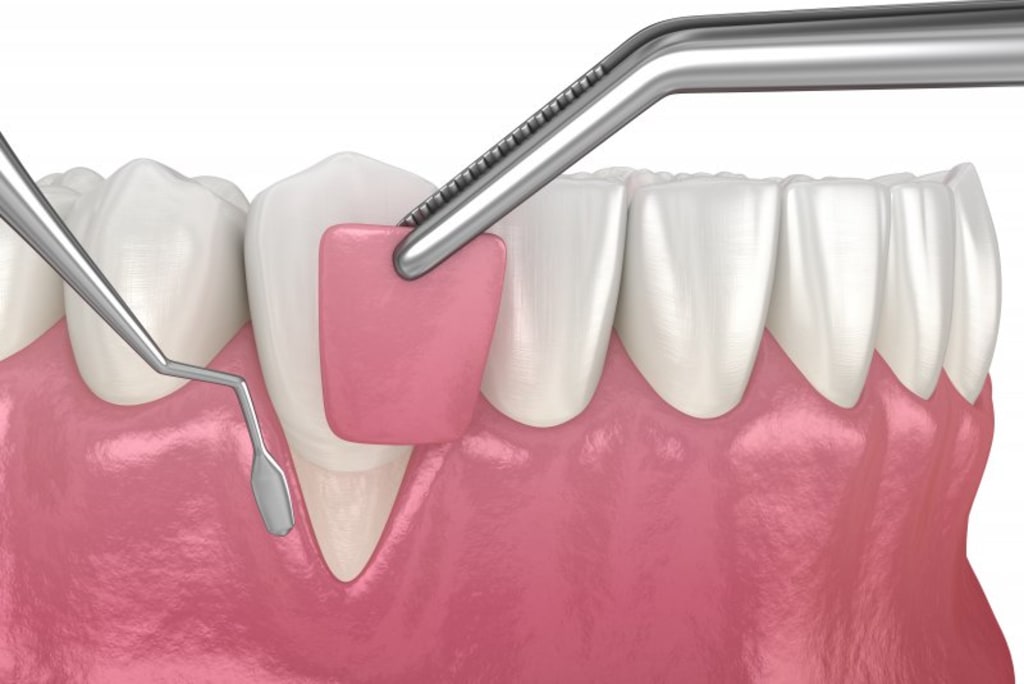
Gum recession can occur due to a variety of factors, including sickness, injury, dietary habits, and aging. Gum grafting is a technique that involves grafting healthy gum to receding areas.
Some frequent misconceptions exist regarding gum graft treatments and the number of teeth involved. While receding gums are more noticeable when all of your teeth are present, they can also affect those who have tooth implants or dentures.
Here are eight tips to help you protect your teeth and gums after gum graft surgery:
1. Keep your lips zipped
Your gums will be sensitive right after the gum graft. To reduce the chance of bleeding, your periodontist will instruct you to maintain the gauze in place for the first 40 to 50 minutes. You should also avoid speaking.
While you may be in the mood to talk, it's recommended to wait two or three days unless otherwise suggested by a dentist. The idea of being silent for three days does not preclude communication. Use a whiteboard and a dry-erase marker to express your feelings until you can speak them loudly again.
2. Don’t let your tongue wander
It's natural to desire to explore the area with your tongue after any type of oral surgery. Poking and prodding with your tongue after a gum transplant might result in gauze displacement, stitch breakage, and other complications.
To reduce pain and ensure the greatest results for your gum transplant, try to keep your mouth relaxed and follow your dentist's advice.
3. Use ice for swelling
Any type of physical trauma causes swelling and inflammation. You can reduce swelling by applying ice to your lips and jaw. Ice reduces swelling, which decreases pain.
Use ice for around 10 to 20 minutes at a time before taking a break from treatments. Your periodontist may also advise you to take over-the-counter pain relievers such as acetaminophen or ibuprofen.
4. Brush gently
Oral hygiene is essential, but you won't be able to brush effectively after a gum graft until your gums heal. Even when the wound has healed, you should still be gentle. The gum tissue is more fragile and susceptible to harm than other parts of your mouth. Brushing too vigorously may disturb the transplanted tissue.
You can make things even easier on your gums by using a soft-bristled brush until your gums are strong enough to tolerate stronger bristles.
5. Eat ahead of time
Your periodontist is unlikely to allow you to eat for 48 hours after surgery. Biting and chewing may cause the stitches to rupture or the graft to dislodge.
When you are finally able to eat, consider the meals you are consuming. Avoid anything crunchy or firm, and instead, focus on soft foods.
Smoothies are another wonderful option for post-surgery meals because they don't need biting and are less likely to discolor your teeth or gums. Avoid anything that requires a lot of chewing, such as salads, which are healthy but need a lot of extra tooth and gum effort.
6. Keep food temperature neutral
Not only should you be cautious about the foods you eat after a gum transplant, but you should also keep an eye on the temperature. Eating and drinking meals that are overly hot or cold can cause pain and discomfort. During the healing process, your nerves will be on edge.
You may also experience the opposite consequence: your recovering gums have not yet regained sensation. In this case, eating or drinking something excessively hot may not be visible on your gum line at first, but you will feel it afterward. Maintaining neutral food temperatures and testing hot items to verify they've cooled before eating will help to decrease oral discomfort during recovery.
7. Get some rest
Although it may not feel like it at first because the procedure was only in your mouth, the impact of a gum transplant will be felt throughout your entire body. You might feel achy, overwhelmed, fatigued, or anxious. Getting enough rest will help alleviate these symptoms and return you to normalcy in no time.
Take some time away from work and extracurricular activities if feasible to heal at home where you can be comfortable. Avoid long phone calls, strenuous exercise, and other activities that may jar your mouth and stitches.
8. Be careful around pets and children
Our favorite tiny humans and their furry pals don't always understand when people aren't feeling well. A hyperactive puppy may jump up and struck your mouth. Similarly, chasing small toddlers around the house might be problematic for unhealed stitches.
Even when we are not at our best, our pets and children demand a lot of love and attention. Arrange kid care, a pet walker, or doggy daycare ahead of time to ensure your loved ones are cared for when you need additional rest and recovery.
Setting apart a space to call your own during the healing process is also beneficial. This could be your bedroom, home office, den, or another area. If a friend or loved one can help around the house and give you breaks when needed, it will help you heal faster.
About the Creator
Amelia Grant
I am journalist, and blogger.
Keep reading
More stories from Amelia Grant and writers in Longevity and other communities.
Pros and Cons of Spinal Surgery
By the time you decide to have back surgery, your doctor has most likely tried a variety of treatments to alleviate your back pain or lower body paralysis. While there is no certainty that the operation will bring relief, several alternatives exist. Learn everything you can about back surgery in advance. The more you know, the better your decision will be.
By Amelia Grant2 years ago in Longevity
Day 4 of Quitting
If this is how sobriety feels, maybe it’s better to go through life a little buzzed… this, along with other hits like, I want to kill myself, I wish I was dead, and I’m going to throw myself off a bridge have been the only thoughts on rotation these past few days. I promise myself that if, in a month, I still feel like this (‘this’ meaning despondent, full of rage, and simultaneously numb) I can go back to smoking. Until mid-February though? Nicotine is off the table.
By sleepy drafts8 days ago in Longevity
United States AI in Healthcare Market Size and Forecast 2025–2033
Introduction: A New Era of Intelligent Healthcare The United States healthcare system is undergoing one of the most profound technological shifts in its history. Artificial intelligence (AI), once confined to research laboratories and pilot projects, is now embedded across hospitals, diagnostic centers, pharmaceutical research, and administrative operations. From detecting diseases earlier to automating complex workflows, AI is redefining how care is delivered, managed, and optimized.
By Aaina Oberoi4 days ago in Longevity



Comments
There are no comments for this story
Be the first to respond and start the conversation.