
8 Common Myths About Teeth and Gums You Shouldn’t Believe in
There are a lot of misconceptions about oral health that can make you misunderstand proper oral care and other related things. This can result in many oral issues that can cause pain, discomfort, and many other symptoms.

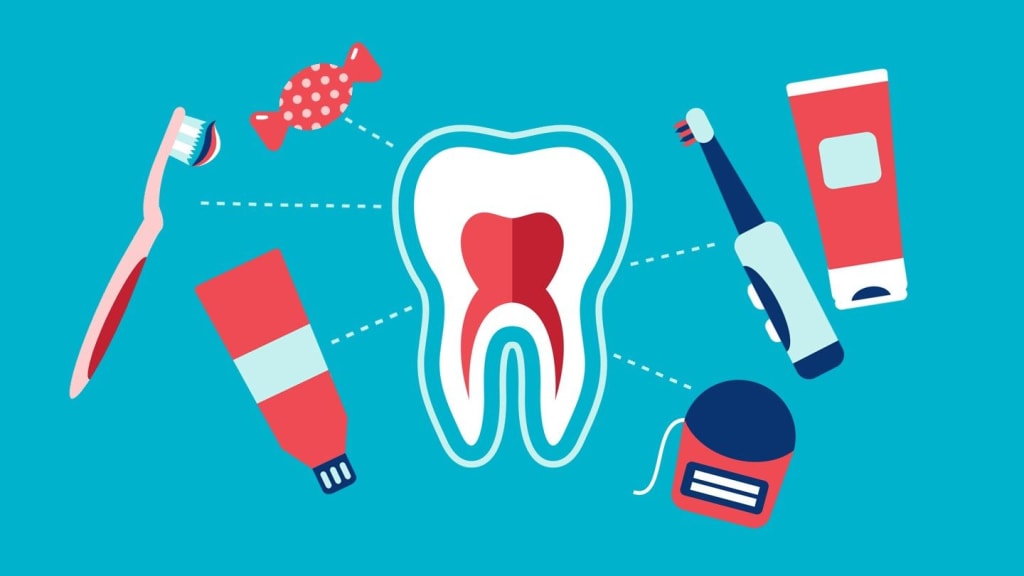
If you want to keep your teeth and gums strong and healthy, it is essential to pay sufficient attention to your oral hygiene and diet. Additionally, you should always monitor the condition of your oral cavity to prevent the development of oral issues. In this article, we have gathered eight common myths about teeth and gums you shouldn’t believe in.
1. It is enough to brush your teeth once a day
Many people think that if they brush their teeth in the morning or in the evening, it is enough to keep their teeth clean. But the reality is that bacteria, delta plaque, and food particles that you leave in your oral cavity for a long period of time can contribute to the development of many oral issues. That’s why it is essential to brush your teeth twice a day and use dental floss daily.
2. Teeth whitening ruins tooth enamel
There is a common misbelief that your teeth will ruin after a teeth whitening procedure. Indeed, you can weaken your tooth animal and hurt your gums with some home remedies and teeth whitening kits that are not approved by dentists. But modern dentistry provides completely safe and harmless teeth whitening options for everyone.
3. Gum disease always cause severe symptoms
It is important to understand that the initial stage of gum disease can develop asymptomatically or with mild symptoms. For example, gum bleeding during tooth brushing and bad breath are deemed the most common symptoms of gum disease. As the condition progresses, you may get gum pockets, loose teeth, and even tooth loss. If you have noticed these symptoms, make an appointment with your dentist as soon as possible.
4. Only white teeth are healthy
Modern advertising and the fashion industry make us think that only white teeth can be considered healthy and look beautiful. But the truth is that the color of your tooth enamel is not linked with the strength and health of your teeth. This means that yellowish and grayish teeth can also be healthy. However, if you have some stains, it is better to visit a dentist since tooth decay can cause spots on the tooth surface.
5. Foods don’t affect oral health
It is essential to understand that the foods you eat have a great impact on your oral health. For example, dairy products contain calcium that is essential for your bones and teeth. Fruits and vegetables are a great source of vitamins and minerals that help keep your teeth and gums healthy. Fatty fish is rich in omega 3 fatty acids that help reduce inflammation. That’s why it is extremely important to maintain a healthy diet to keep your teeth and gums strong and healthy.
6. A toothache can be cured at home
There are certain home remedies and pain medications that can help ease a toothache. But you should understand that a toothache doesn’t occur without a reason. If your teeth hurt because of increased sensitivity, it is better to visit a dentist and use a special toothpaste for sensitive teeth. Tooth decay can also cause severe pain. Timely and proper treatment can help relieve your pain and prevent further complications.
7. There is no need to visit the dentist regularly
There is a common misconception that there is no need to visit a dentist on a regular basis if you don’t experience any symptoms. But you should know that dental checkups can not only help treat oral issues but also prevent them. For example, teeth cleaning twice a year can help prevent the development of gum disease.
8. Tooth loss doesn’t require treatment
If you have lost a tooth, it is essential to replace it as soon as possible. Otherwise, the neighboring teeth can shift and fill the gap. This can result in crooked teeth, problems with speaking, and even facial asymmetry. If you want to avoid these issues, it is better to visit a dental implant specialist and get a dental implant.
The bottom line
Roper oral care can help prevent the development or at least slow down the progression of many oral issues. Additionally, you shouldn’t forget to visit your dentist at least twice a year to monitor the condition of your oral cavity and treat oral conditions if needed.
About the Creator
Amelia Grant
I am journalist, and blogger.
Keep reading
More stories from Amelia Grant and writers in Longevity and other communities.
10 Debunked Myths About Your Teeth You Should Know About
1. Tooth brushing once a day is enough Many people tend to brush their teeth once a day and think that it is enough. But the reality is that your oral cavity accumulates bacteria, food particles, and dental plaque that can cause bad breath and contribute to the development of many oral issues.
By Amelia Grant5 years ago in Longevity
Why Our Minds Overthink at Night
Have you ever noticed how your mind suddenly becomes extremely active at night? You lie down to sleep, but instead of resting, your brain starts replaying conversations, worrying about the future, or analyzing things that happened earlier in the day.
By Being Inquisitive5 days ago in Longevity
🥑 7 Superfoods Every Pregnant Woman Should Eat for a Healthy Baby
Pregnancy is a beautiful journey, but it also comes with an important responsibility—nourishing both the mother and the growing baby. During this time, what a woman eats becomes the baby’s main source of nutrients.
By Being Inquisitive4 days ago in Longevity


Comments
There are no comments for this story
Be the first to respond and start the conversation.