
5 Tips: Can I Have Sleep Apnea? Nocturnal toilets and morning headaches may be symptoms of sleep apnea
HELP!

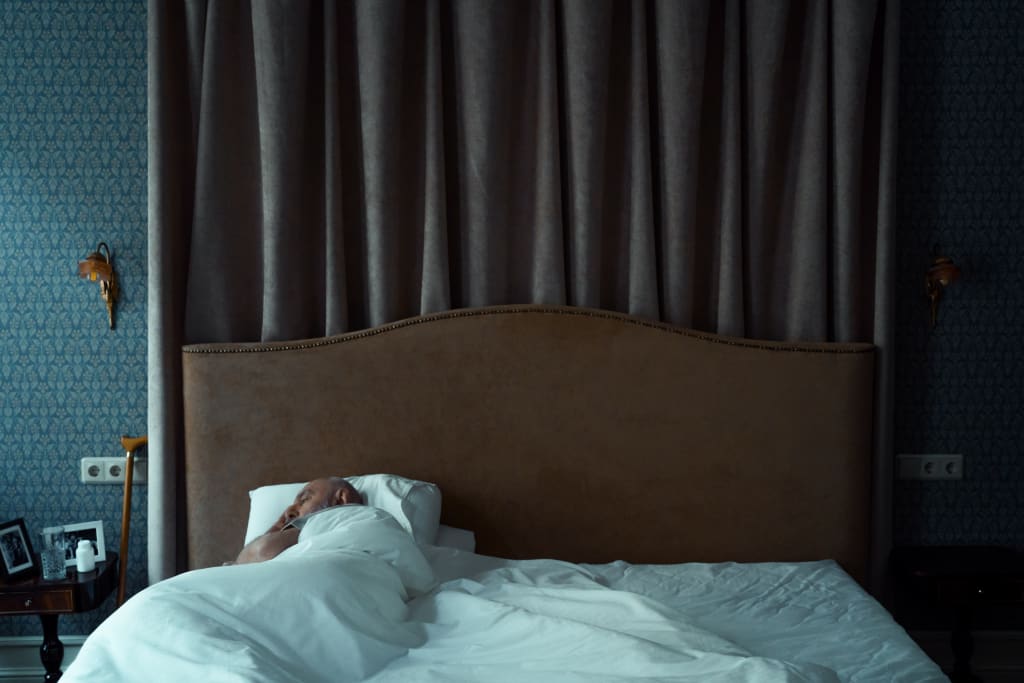
Sleep apnea is the most common sleep disorder. Almost one and a half million Finns suffer from it. Are you one of them? These symptoms may indicate sleep apnea.
1. Your partner complains that you are snoring
Intense and persistent snoring can be a sign of sleep apnea. You may not believe it when he complains about it. In this case, your partner should record your snoring on their phone. This will allow you to hear your nocturnal nightingale with your own ears. Snoring is also indicated by the fact that your mouth is dry when you wake up and your tongue feels rough.
Back sleep predisposes to snoring, especially if you are overweight. Then the fatty tissue on the neck will clog your throat. This does not happen when sleeping on the side. You stay on your side as you sew a pocket on the back of your nightgown and put a tennis ball there. The ball will force you to spin if you turn your back.
Snoring can also be caused by a stuffy nose. In this case, help can be obtained by nasal drops or by rinsing the nasal mucosa with a nasal can before going to bed. Even big races cause snoring. Deleting them will correct the situation.
2. You wake up to your own fall
Waking up tells you to stop breathing. Sleep apnea is when you repeatedly experience shortness of breath for at least ten seconds while sleeping. At worst, there can be up to a hundred breaks per hour. The breaks are the result of the muscles supporting the upper airways remaining open during sleep. If the airways are narrow, muscle relaxation may completely or partially block the flow of air. Smoking increases the number of shortness of breath because tobacco smoke swells the mucous membranes. Even a single dose of alcohol in the evening suppresses breathing and adds breaks.
Shortness of breath exposes you to many health risks. The risk of cardiovascular disease, such as cerebral infarction, is increasing. Prolonged poor sleep also affects the brain and can cause plaques associated with Alzheimer's disease, which can increase the risk of dementia.
On the other hand, many diseases, such as diabetes, asthma, hypothyroidism, and hypertension and COPD, increase the risk of sleep apnea. Biting defects, a small lower jaw and a convex profile also expose it.
3. You run in the toilet at night
Normally, the need to urinate is reduced during sleep. In sleep apnea, however, it increases. This is due to a hormone that affects the excretion of urine, which is also partially regulated by a lack of oxygen. Night sweats are also a symptom of sleep apnea. This, too, is the result of a lack of oxygen, which causes a stress response in the autonomic nervous system. Stress brings sweat to the surface.
4. You wake up in the morning with a headache
A person with sleep apnea may have a headache in the morning. This is also due to the lack of oxygen caused by shortness of breath. The pain usually goes away in about half an hour when breathing returns to normal. Poor sleep also predisposes to memory fragmentation, difficulty concentrating, and mood swings such as irritability and depression.
5. You fall asleep in boring situations during the day
Daytime fatigue is a typical symptom of sleep apnea. It manifests as drowsiness or unintentional falling asleep during the day. Sleep comes especially in situations that are perceived as boring, such as a work meeting. You may also fall asleep at the TV all the time, even during the day. In the worst case, fatigue strikes when you drive a car. Falling asleep at the wheel can cost your lives and endanger others in traffic. Due to the increased risk of road accidents, it is very important to find out what causes daytime fatigue. Constant snoring and wheezing are also a reason to see a doctor. Sleep apnea is diagnosed by sleep polygraph examination.
Lifestyle therapy is often sufficient to treat a mild illness. Above all, it means losing weight, because being overweight is the leading cause of sleep apnea. Lifestyle treatments also include quitting smoking, reducing alcohol use and increasing exercise. Exercise alone improves sleep, even if the weight does not drop at all.
Some benefit from a night-time sleep apnea rail. The rail takes the jaw forward, leaving the throat open.
In addition to lifestyle changes, CPAP is needed for moderate to severe sleep apnea. It blows air into the airways at overpressure at night and keeps the airways open. The device should be used for at least four hours a night. It reduces the risk of cardiovascular events by more than half.
About the Creator
Keep reading
More stories from Bimal Kanta Moharana and writers in Longevity and other communities.
Overweight often accumulates at the waist - How to reduce middle body fat?
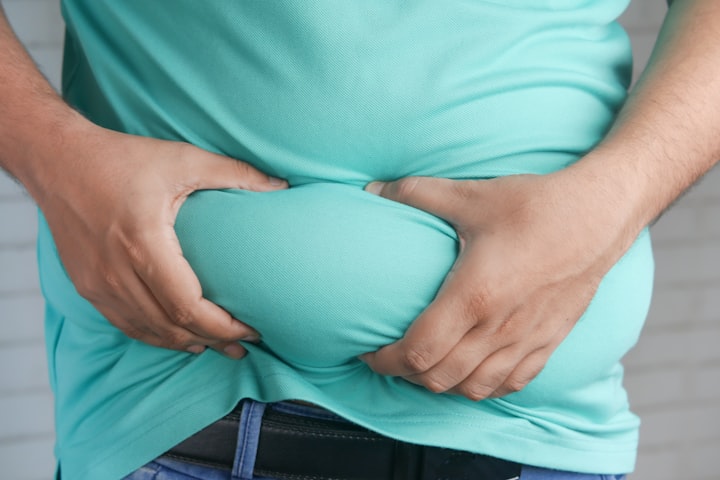
Question: The pounds that accumulate at the waist are unhealthier than, say, the fat that has frozen in the back. This is known, but how best to reduce middle body fat? Is it possible with food or some kind of precision exercise? It seems to be quite difficult to narrow oneself down to just one particular place.
By Bimal Kanta Moharana 4 years ago in Longevity
Day 4 of Quitting
If this is how sobriety feels, maybe it’s better to go through life a little buzzed… this, along with other hits like, I want to kill myself, I wish I was dead, and I’m going to throw myself off a bridge have been the only thoughts on rotation these past few days. I promise myself that if, in a month, I still feel like this (‘this’ meaning despondent, full of rage, and simultaneously numb) I can go back to smoking. Until mid-February though? Nicotine is off the table.
By sleepy drafts12 days ago in Longevity
Genetic Testing Market Size and Forecast 2025–2033
Introduction The healthcare industry is undergoing a profound transformation, driven by data, biotechnology, and the growing demand for personalized medicine. At the center of this shift lies genetic testing—a powerful tool that decodes DNA to predict disease risks, guide targeted therapies, and improve preventive care. What was once confined to specialized laboratories is now becoming a routine part of clinical diagnostics, oncology, prenatal screening, and even consumer wellness.
By Janine Root 5 days ago in Longevity



Comments
There are no comments for this story
Be the first to respond and start the conversation.