
5 Things You Need to Know About Facelift Recovery
This article gives readers advice and tips on facelift recovery.
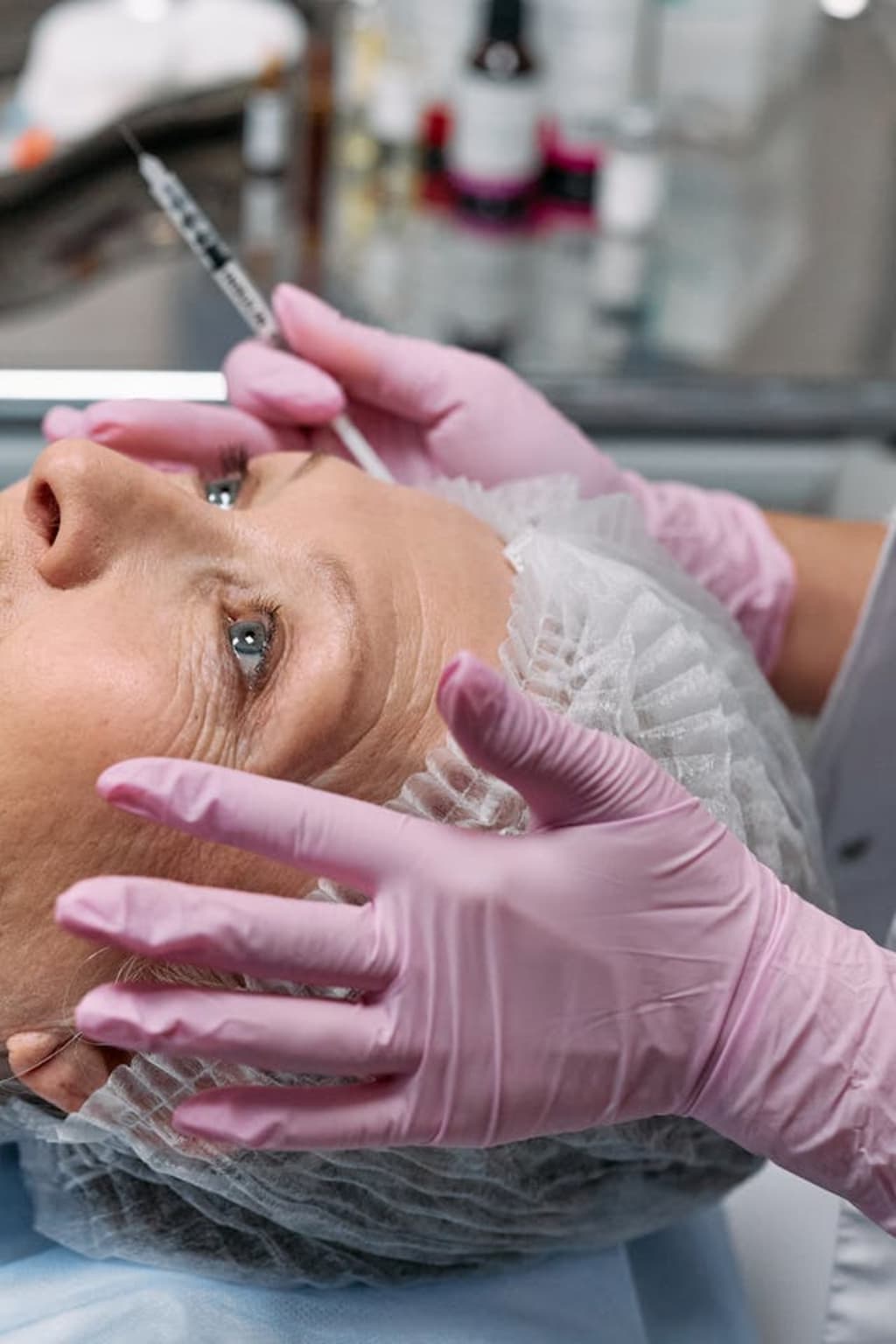
Many people love these facelifts because they want to look refreshed and youthful. Like any surgery, there is a recovery time to get the best results. If you're thinking of a facelift, or you have one coming up, you'll be in a good place if you know what to expect during recovery. Read on for five essential things to know about facelift recovery. Use these tips to understand what the process looks like and how to take care of yourself as you go along.
Rest Is Your Best Friend
It is important to take care of a facelift for the first few days after. However, rest is the most important thing to do at this time. Rest provides your body the time to start the recovery process, and it needs to do that to heal. Maybe you're just a little drowsy from anesthesia or just not feeling so hot, period. Please don't overdo it too soon, and listen to your body. With your head more or less elevated, these early days are spent lying down. This position also helps to reduce swelling and helps your blood circulation flow better through your face. You should feel a little stiff or sore, but don't do any strenuous exercise for at least the first week. Minor movements can strain healing tissues in your face. You will get more specific instructions from your surgeon, so follow these instructions carefully.
Swelling and Bruising Are Normal
A facelift always includes swelling and bruising, which are normal parts of healing. When they first look intense, don't worry. It's normal. The first few days will be the most noticeable swelling and bruising. After a week, the swelling should begin to go down slowly. You can help with this by applying cold compresses as recommended by your surgeon. Any pressure you apply to your face should be gentle. By the second week, most patients experience a marked reduction in swelling and bruising. For some, however, mild swelling might last a few months. The payoff for this phase is having to be patient while the full, refreshed look shows through.
Wound Care is Important
Taking good care of your incision is one of the most important things in your recovery. The incisions are normally hidden in natural creases around the ears and hairline. But it's important to keep them clean and dry to prevent infection. Your surgeon will probably tell you how to care for these areas. These instructions are to protect healing tissue and to prevent complications. Don't use any skincare products on or near the incisions until your surgeon says you can. This is patience work; good wound care will help reduce scarring and aid a smoother healing process.
Don't Be Too Physically Active
It may take a week or two for you to feel like yourself again but don't jump right back into vigorous activity. Exercising hard can increase blood flow and cause trouble like prolonged swelling. You can begin walking after the first few days because it's a gentle form of exercise. This helps with circulation without overdoing it in the healing areas. Doctors usually advise that you avoid strenuous physical activities, like lifting weights or other high-impact exercise, for weeks or longer. Once your surgeon tells you it's safe, you can slowly start doing things as usual. Remember that the long-term results improve when your body gets enough time to heal.
The Full Results Takes Time To See
Any recovery journey requires a lot of patience. The full effects of facelifts take several months to develop. You may see some improvement in the first few weeks, but it's normal for there to be subtle shifts for up to a year. It takes some time for the deep layers of tissue and muscle to settle and adjust so that your face shows new, youthful contours. The most rewarding part of this process is when you see how 'natural' your results look as your face continues to heal. In particular, if you got a deep plane facelift, you're likely to see the most natural results over time. Deep plane facelift benefits and results are long-lasting, which is why many patients choose it.
Conclusion
The recovery from a facelift isn't just about physical healing. It's about being nice to yourself during the process. But on some days, you may feel frustrated or impatient with the healing timeline, and it's okay. Supportive friends or family, and stay in touch with your surgeon for reassurance.
About the Creator
Keep reading
More stories from hannahboothe789 and writers in Longevity and other communities.
5 Questions to Ask Your Cosmetic Doctor Before Getting Botox
For those trying to minimize the sight of fine lines and wrinkles, Botox has grown to be a really popular cosmetic operation. Before you choose to go under the needle, however, you must be sure you are knowledgeable and at ease with your choice. Your experience and outcomes may be much improved by the correct questions. Ask your cosmetic doctor these five crucial questions before having Botox.
By hannahboothe789about a year ago in Longevity


Comments
There are no comments for this story
Be the first to respond and start the conversation.