
5 Blunt Questions Extremely Selfless People Must Ask
You may be self-sabotaging with extreme selflessness


If you require a visual image of the damage extreme selflessness does to you, then the picture above is a perfect depiction.
Extreme selflessness impacts negatively your physical, mental and emotional health.
It sounds inappropriate to ask people to be less selfless — become seasonally selfish. How do you even start that conversation? Tell someone to do less of what society and religion expect from them. How do you request people to cut back on kindness, compassion and generosity because you think they’re overdoing themselves with these acts? These are praiseworthy human qualities.
There isn’t an apt way of saying — “Hey, I think you’re too nice and kind. Do you mind being a little selfish?”
An appeal like that is difficult and would go unappreciated. Yet the motive behind a question like that encapsulates a truth capable of changing your life and presenting you the opportunity to live for yourself first and then others without guilt or shame.
Think about this inconsistency. We’re usually kind and supportive of others, but we act extremely the opposite to ourselves. We’re critical, dismissive and inconsiderate, usually of ourselves and needs.
You probably sacrifice all of your time and resources supporting family and friends, but then deprive yourself of the same when required.
Many are even sucking up to their bosses and colleagues and working unhealthy long hours. Their frazzled body and mind plead with them for only six hours of rest to recuperate, but they wouldn’t. They are selfish to themselves, persistently ignoring their body’s cues of an imminent burnout.
Self-care usually is the last thing on the plate of extremely selfless people.
Life is about balance — it’s the yin and yang. It’s the fulcrum of our lives’ happiness, satisfaction and fulfilment. Having too much is as bad as having little.
Balance is the goal. And that balance must extend to our demonstration of love, kindness, compassion and generosity.
To achieve balance, and strike a blow for self-care and personal well-being, consider the following questions.
Question #1: What comes first?
Who comes first? What comes first?
These questions sound conceited. But really they are not. They are blunt but honest.
Focus and direction have been the underpinning of every success story I’ve heard and read about. All the articles about “How to become successful” carry one common theme. And that theme is
Focus drives priority, and priority drives you to action
Lacking focus, you can’t have direction and without direction, you can’t define your life’s priorities. Having dreams and ambitions, and desiring change are a given. It’s in our human nature to dream, desire change, hope for improvements in our circumstances, to want comfort and relief.
But the matter of what sacrifices and commitments are necessary to bring about the changes we desire is completely hinged on our intentions and priorities.
Many people in their lifetime would do nothing beyond just dreaming about the person they could have become.
To become your dream, experience change and relief from your unpleasant living conditions, your decisions and actions must align with your dreams, ambitions, and desires. People around you must sense the future you seek to realize.
Saying no often, and being seasonally selfish, will be one of the hardest and morally difficult things you’ll do. Yet that is the great sacrifices you ought to make to realise your dreams and have your rewards extend and impact lives, including the people you ignored or said no to.
Sometimes you can present others with a helping hand only after you’ve selfishly trudged forward out of the dry quicksand. Only then can you find some ropes, mobilize support and return on a rescue mission — saving as many that are still stuck and sinking.
For people living in coastal areas, much like me, the uncommon advice you’ll receive from older folks is “never go rescuing a drowning person who is conscious, if you’re not a seasoned swimmer or rescuer”. Why? Because a conscious drowning person is a dangerous person. In their desperation to escape their imminent death, they will clutch onto anything to stay afloat. They will sink anything around them to buoy enough to catch some air.
Possessing the knowledge and rescue skills required for saving a drowning person is the only way you save their life and yours as well. Not your intrinsic desire, your uncalculated inclination to save a drowning person.
Question #2: What’s important?
Whenever we say YES to one thing, we invariably are saying no to other innumerable things.
Tangible or not, there is constantly a trade ongoing whenever we commit to something. The tradeoff could be nominal. Other times it’s expensive and life-changing. An inconsequential tradeoff could be you missing a highly expected match between your favourite sports team and their strongest rivalry to honour a friend’s wedding invitation. Another rather impactful and altering tradeoff could be you missing important events in your kids' life because work constantly has you across the globe in a different country.
Defining what’s important in your life, your goals and ambitions with realistic actionable plans and timelines helps raise boundaries. These boundaries you must consistently ensure nobody crosses.
Here is a simple exercise to help clarify what’s important in your life presently. In the quiet of dawn, make a list of the important things in your life; note down things that come to your mind as important. Next, examine the true importance of each item on your list. Some items on your list which seemed important upon further assessment will turn “not really” important. Remove those items. Finally, keep the final list of important things in your life in a portable notebook you can carry around. Alternatively, you can conveniently store them on a note-taking app on your phone.
Going forward, prioritize these goals over any other. Put away or defer anything that threatens to jeopardise these goals. Continually revisit your list and remind yourself of what is truly important. Remember, some items on your list will be short-termed. But others will have their importance travelling a lifetime.
Daring to set boundaries is about having the courage to love ourselves, even when we risk disappointing others
— Brene Brown
Question #3: Who becomes the emotional wreck?
There is no reason retiring to your private chambers every night bummed because you took on challenges and accepted commitments when they were inconvenient. You accepted them and even set timelines, knowing how busy your calendar already is.
Expectations from family and friends can be one of the hardest things to navigate. When you're not forthright and clear about your goals and ambitions, family and friends will overrun your life with their own plans and problems.
Be honest about the difficulties and challenges in your personal life. Consider it important also to open up about the toll the incessant demands of family and friends have on you. Communicate how their demands and expectations are weighing on your finances, health and wellbeing.
Create the right channels to discuss these difficult subjects. Get them to understand how important your personal life, dreams and ambitions are.
Truthfully, it feels wrong to say NO to our loved ones. It’s emotionally difficult to pretend to not see them struggle, even when you’re struggling privately with your own immeasurable problems.
As difficult as the situation, your personal wellbeing and peace must become your foremost priority.
Question #4: Who deserves the gesture?
You want to think again about repeating a kind gesture if the recipient consistently fails to show appreciation or gratitude. This is important in determining where to invest your time and energy. I already mentioned how every time we say YES to something or someone, we’re invariably saying NO to other opportunities.
Everyone has 24 hours in a day. And you‘re the sole steward of every minute of the 24 hours you’ve been given. You determine how and on what you spend that time.
Appreciation and gratitude are good measures of where you should invest your energy, time, generosity and love.
Appreciation and gratitude are common responses from the poor. People who desperately need your support will outwardly display gratitude. They recognize the importance of your time and efforts and in propriety show that.
When someone doesn’t show any signs of gratitude after you’ve helped them, don’t repeat the gesture. They’ve non-verbally communicated they didn’t need it.
Revaluate the importance of their needs next time around. Ask yourself who deserves the gesture?
Next time, resist the compulsion to become a martyr for ingrates. Suppress your intrinsic impulse to respond to their predicament. They don’t deserve it.
When you help someone, pay attention to their non-verbal cues. They communicate volumes about the genuity of their needs. The genuity of people’s needs is evident in their verbal and non-verbal communication of gratitude and appreciation.
Question #5: What’s my motivation?
Science and abundant research suggest that kindness produces happiness in both the giver and recipient of acts of kindness.
Compassionate Mind, Healthy Body has a well-written article that delves into people’s motivations for being compassionate, kind and generous, its personal and societal benefits.
My addition to the motivation behind seemingly selfless acts sometimes has been on the wheels of low self-esteem.
I said it. A little distasteful, but it’s true. Many acts of generosity and kindness come from individuals who are also struggling with a low sense of self.
People wrestling with low self-esteem would go over and beyond to belong and feel accepted. They’re willing to put others first, then themselves. To belong socially, they become overly nice and servile, hoping for acceptance and recognition.
A selfless act, no matter how pure it appears outwardly, remains tainted when executed with the wrong intentions.
Motivation matters.
Kindness emerging from disingenuous motivations of promoting oneself and personal interests often leads to resentment and disappointments.
The recipient unaware of the dishonest motivations behind your generous acts experiences the positive emotions from the acts. They are happy and relieved. The same, unfortunately, isn’t the case for the hero whose intentions were disingenuous concealing a conscious or unconscious motive.
Resentment and other negative emotions often become the outcome of such exchanges where the performer of the kind and generous harboured disingenuous motives. Any emotional reward experience from the act, they are short-lived and usually replaced with frustration, dissatisfaction, resentment, and whatnot.
People ought to be kind, for the sake of being human. Expecting others to reciprocate your kindness is practically throwing yourself into an emotional typhoon.
If you are someone who struggles with low-self esteem, then a self-assessment of your motivations for your plentiful selfless acts is important. Are your selfless acts becoming extreme and borderline unhealthy to your personal wellbeing? You have a problem if you’re consistently overwhelmed, exhausted and anxious about the responsibilities and obligations you have.
Your motivations for being a good person, taking up more obligations and responsibilities, could be upside down. You’re outstretching yourself for others' acceptance and recognition when the awful reality of life is few people enter relationships with entirely altruistic reasons.
Behind all the mushy and heartwarming reasons that form the bedrock of most of our relationships, there is always a selfish interest.
Being your authentic self saves both you and others' time. The people who walk into your life know what they are signing up for before they do. An authentic self removes many surprises from relationships and creates the foundation for growth and support.
Don’t become a people pleaser, hoping for their recognition and acceptance. That is both emotionally and physically draining.
Closing Thoughts
Humanity is about kindness and empathy for other humans. It’s in our intrinsic nature to want to identify and understand the struggles of fellow humans and offer them relief and comfort when possible.
Our world is a little better today because of acts of kindness. We don’t have to underestimate the power of kindness and generosity.
Kindness and generosity are illumination that reaches the recesses of the human heart
But whiles we continue to be humane, let’s remember to treat ourselves equally with the same kindness and generosity.
Consider these five questions regularly to assess whether you’re overdoing yourself with extreme selflessness to detrimental ends.
- Who comes first?
- What’s important?
- Who becomes the emotional wreck?
- Who deserves the gesture?
- What’s my motivation?
If you made it all the way down here, then thank you.
I hope you found this article helpful. Wish you the best and see you again some time.
About the Creator
Felix Otoo
Software Engineer, Writer, Lofi Music Lover
Keep reading
More stories from Felix Otoo and writers in Longevity and other communities.
The Last 5 Years of Life Have Been Fantastic
Moments. They whisk past us so fast you will miss the best ones if you shut your eyes for only a second. It's just awful. The glorification of busyness and hustle culture at the present time. It's robbing us of personal times of introspection and reflection. We hardly sit down and take an inventory of our lives. We're constantly on the move, chasing after the next big break. We wear busyness like it's a badge of honour.
By Felix Otoo4 years ago in Longevity
Day 4 of Quitting
If this is how sobriety feels, maybe it’s better to go through life a little buzzed… this, along with other hits like, I want to kill myself, I wish I was dead, and I’m going to throw myself off a bridge have been the only thoughts on rotation these past few days. I promise myself that if, in a month, I still feel like this (‘this’ meaning despondent, full of rage, and simultaneously numb) I can go back to smoking. Until mid-February though? Nicotine is off the table.
By sleepy drafts9 days ago in Longevity
The Hidden Power of the Nerve Endings in Your Feet
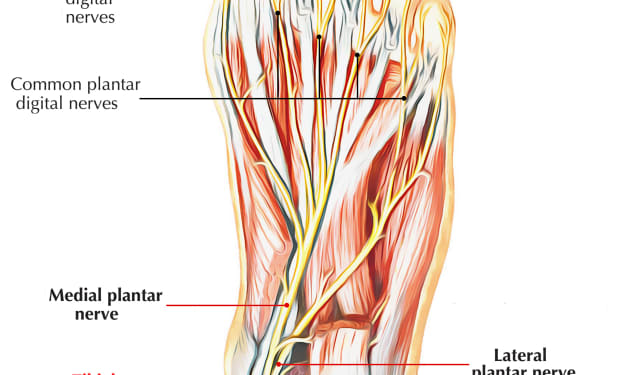
Most people don’t give much thought to their feet unless they’re uncomfortable or tired. Yet beneath the surface, the nerve endings in the feet are constantly working, sending vital information to the brain that influences balance, posture, and movement. These signals operate quietly in the background, but they play a far greater role in daily life than many people realize.
By AhmedFitLife2 days ago in Longevity



Comments
There are no comments for this story
Be the first to respond and start the conversation.