
4 Stages of Cervical Cancer to Know
Cervical cancer is a type of cancer that begins in the cervix. The cervix is a small, hollow tube connecting the uterus to the vagina. Cervical cancer is becoming less common in the United States. Cervical cancer affects approximately 0.6% of people who are assigned female at birth.

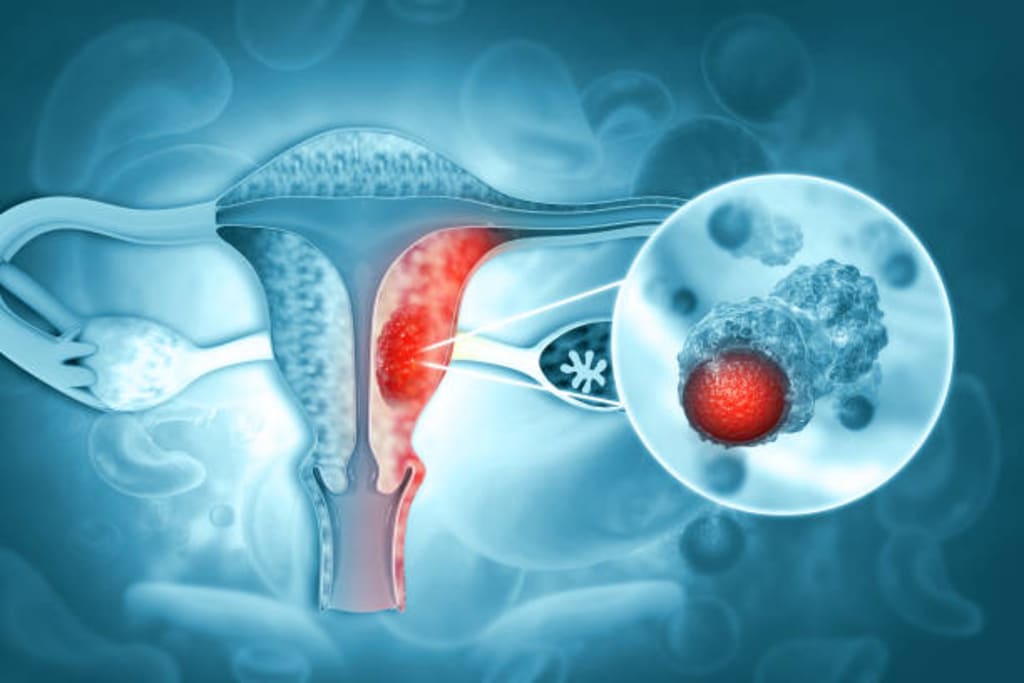
Cervical cancer is a type of cancer that begins in the cervix. The cervix is a small, hollow tube connecting the uterus to the vagina. Cervical cancer is becoming less common in the United States. Cervical cancer affects approximately 0.6% of people who are assigned female at birth.
If you have cervical cancer, your doctor will perform tests to determine the stage of cancer. This assists in determining the best treatments for you as well as your potential prognosis.
The International Federation of Gynecology and Obstetrics staging system is used to determine cervical cancer stages. Cervical cancer is classified into four stages. The amount of cancer in the cervix and the spread of cancer outside the cervix are used to classify these stages.
Stage 1
Stage 1 cancer is limited to the cervix and has not spread to lymph nodes or other organs. However, cancer cells have grown and spread from the cervix's surface into deeper tissues within the cervix at this stage.
Cervical cancer in stage 1 usually has no symptoms. Stage 1 cervical cancer is highly treatable and has a good prognosis once diagnosed. At this stage, the five-year relative survival rate for cervical cancer is around 92%.
Stage 1A
Localized cancer is usually treated with a cervical biopsy at this stage in people who want to keep their fertility. A cone-shaped portion of tissue from the cervix will be removed during this outpatient surgical procedure.
No further treatment is required if the tissue at the cone's edges is free of cancer cells. You will, however, be closely monitored for any recurrence of cancer.
Stage 1B
Your desire to retain fertility potential is considered during Stage 1B. If you want to keep your fertility, you'll need a radical trachelectomy as well as surgery to remove lymph nodes from your pelvis.
In some cases, removal of the para-aortic lymph nodes may be advised. The para-aortic lymph nodes are found close to the aorta. The aorta is the major artery that connects your heart to the rest of your body.
If preserving fertility is not an issue, your doctor may recommend a radical hysterectomy with pelvic lymph node removal.
Stage 2
Cervical cancer in stage 2 has spread beyond the cervix and uterus. Cervical cancer in stage 2 has not spread to the lymph nodes, pelvic walls, or lower part of the vagina. It has also not spread to other parts of your body or organs.
Stage 2A
In Stage 2A cervical cancer, radical hysterectomy is frequently combined with pelvic lymph node dissection and para-aortic lymph node sampling. Radiation may be recommended after surgery if cancer has spread to the lymph nodes or nearby tissues.
Stage 2B
Cervical cancer in stage 2B has spread beyond the cervix into the surrounding pelvic tissues, such as the top of the vagina, bladder, or rectum. This is known as locally advanced cervical cancer.
Chemoradiation is typically used to treat cervical cancer at this stage. Both external beam radiation and brachytherapy can be used.
Stage 3
Cervical cancer in stage 3 has spread to the lower vaginal or pelvic walls. It could have spread to nearby lymph nodes or not. It has not spread to distant organs or body parts.
Stage 3A
Cancer has spread into the lower third of the vagina at this stage. It has not spread to the pelvic walls.
Chemoradiation is used to treat cervical cancer at stage 3A. A combination of external beam radiation and brachytherapy will be used.
Stage 3B
Cancer has spread into the pelvic wall at this point. The tumor or tumors may also be large enough to cause kidney problems, such as hydronephrosis. Tumors in stage 3B cervical cancer may block one or both ureter tubes.
Stage 3C
Cervical cancer of any size within the pelvis is classified as stage 3C. It has not spread to other parts of the body or internal organs. Stage 3C cancer that has spread to the lymph nodes is divided into two stages: 3C1 and 3C2.
Stage 4
Stage 4 cervical cancer is the most advanced stage. This is the most common stage of recurrent cervical cancer. Cancerous cells in stage 4 have metastasized (spread) to nearby organs or other parts of the body.
Cervical cancer in stage 4 may spread to nearby organs such as the bladder or rectum. It may also spread to distant organs and tissues like the liver, lungs, or bone.
Stage 4A
Chemoradiation is the primary cancer treatment at this time. External beam radiation and brachytherapy will be used for radiation therapy.
Stage 4B
At this stage, cancer is not usually considered curable. Radiation therapy, with or without chemotherapy, is one option. Immunotherapy and targeted therapy may also be used.
Cancer treatment that targets the proteins in and on cancer cells that control how they grow spread and divide is known as targeted therapy. Immunotherapy is a type of cancer treatment that helps your immune system fight the disease.
About the Creator
Amelia Grant
I am journalist, and blogger.
Keep reading
More stories from Amelia Grant and writers in Longevity and other communities.
Day 4 of Quitting
If this is how sobriety feels, maybe it’s better to go through life a little buzzed… this, along with other hits like, I want to kill myself, I wish I was dead, and I’m going to throw myself off a bridge have been the only thoughts on rotation these past few days. I promise myself that if, in a month, I still feel like this (‘this’ meaning despondent, full of rage, and simultaneously numb) I can go back to smoking. Until mid-February though? Nicotine is off the table.
By sleepy drafts8 days ago in Longevity
North America Pretzel Market Size and Forecast 2025–2033
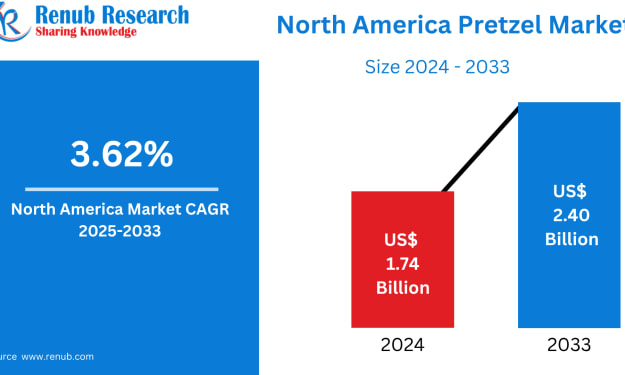
The North America Pretzel Market is expected to reach US$ 2.40 billion by 2033, up from US$ 1.74 billion in 2024, expanding at a CAGR of 3.62% from 2025 to 2033, according to Renub Research. This steady growth reflects the enduring appeal of pretzels as a convenient snack, combined with evolving consumer preferences for healthier, premium, and flavor-forward food products.
By Marthan Sir3 days ago in Longevity



Comments
There are no comments for this story
Be the first to respond and start the conversation.