
10 Spices to Boost Your Immune System
A balanced diet, regular exercise and enough sleep are the keys to keeping your immune system on point during Covid19. Throughout the whole year, there are many reasons that can trigger a drop in our body’s defences; from stress to fatigue or poor diet, among others, now more than ever we need to feed and nourish our body consciously. In the kitchen is where it all starts, making tasty and joyful meals should become a priority these days, but how to achieve that dreamy taste that will leave your taste buds happy for the whole day? Adding spices into your daily meals is one of the best options in order to make your dishes taste like the ones on your fave restaurants:

Top 10 Spices to Boost Your Immune System
Turmeric
Turmeric comes from the root of a flowering plant of the ginger family and has been used medicinally for more than 4,500 years. Turmeric remains a staple treatment for skin conditions, digestive issues and bodily discomfort in Ayurvedic medicine, an ancient Indian healing system still practiced today.
The slightly bitter, bright yellow-orange turmeric root contains curcumin, a main ingredient in curries. Curcumin is a powerful anti-inflammatory that protects the liver from toxins. According some researchers it may delay the onset of Alzheimer’s disease, lessen the pain and inflammation of rheumatoid arthritis, and even prevent some cancers, which is why it is revered as a powerful immune boosting food worldwide.
Is packed with antioxidant properties. It also has antibacterial and anti-inflammatory benefits making it a great all-rounder. You can add Turmeric to your soups, rice and curries or join the Golden Latte trend by drinking your ISO blues away.
Ginger
The health-promoting perspective of ginger is attributed to its rich phytochemistry. Fresh ginger livens up the flavor of whatever you’re cooking or drinking, so try it in your morning oatmeal or evening stir-fry. Or use freshly grated ginger to make tea as a wonderful cold remedy.
A ubiquitous ingredient in kitchens around the world, ginger is filled with nutritional properties that greatly benefit your health. Originating from China, ginger contains chemicals called sesquiterpenes that target cold viruses. This immune-boosting spice also has antibacterial properties that can help prevent nausea.
Ginger is also a natural blood thinner and contains a phenolic anti-inflammatory compound called gingerol that may be responsible for relaxing blood vessels.
Ginger consumption before exercise might reduce naturally occurring quadriceps muscle pain during moderate-intensity cycling exercise. This effect may be due to anti-inflammatory effect of ginger and further investigation need to prove it in human.
Garlic
One of the main medicinal agents from garlic is allicin. Allicin is formed when two compounds, alliinase and alliin come together. This happens when garlic is chopped, minced or crushed and is what gives garlic its distinctive smell and flavour.
It forms a deep base of flavor for many sauces, stir-fries and stews and works well with many other aromatics.
Garlic contains antioxidants and has anti-inflammatory properties. Studies suggest that garlic may help reduce the severity of cold and flu symptoms, and may also stimulate the immune system, helping it produce more of the cells that fight off infection or invading viruses and bacteria.
According to a study by Iowa Women’s Health, women who routinely ate garlic (along with fruits and vegetables) had a lower risk of colon cancer.
Cinnamon
Anti-viral, anti-microbial, anti-inflammatory and blood sugar controller total cholesterol, and triglycerides as well as increase good cholesterol.
This spice has been used for centuries and is popular in Ayurvedic medicine so get your cinnamon shaker and start shaking around into your smoothies, cereals, pancakes or add to your savoury warming dishes like curries and stews.
Cinnamon's warmth and spiced aroma makes it a welcome addition to many dishes, from sweet to savoury. As at home in a pound cake as a bowl of chilli, cinnamon can be used in a variety of your daily meals in order to reap its immune-boosting benefits.
This understated spice offers calcium, iron and manganese, which are all essential for our bodies to grow and function well.
Cinnamon is so rich in antioxidants that it actually tops the list of spices with the highest levels of antioxidants. It’s also one of those superfoods that can protect the brain from the destabilising effects of insulin and glucose imbalances, which can be associated with the onset of Alzheimer’s.
For any skin lovers, cinnamon would be a good ally as well as it can reduce skin irritation, rashes, and redness when applied topically as a cinnamon essential oil.
Astralagus
The primary role of your immune system is to protect your body against harmful invaders, including bacteria, germs and viruses that can cause illness Some evidence shows that astragalus may increase your body’s production of white blood cells, which are the cells of your immune system responsible for preventing illnes.
Helps in dealing with anemia — Astragalus helps strengthen the blood vessels and improve blood circulation.
Prevents colds and flu — Taking astragalus before you get sick may help boost your immune system function. It helps stimulate the immune system and also provides antioxidants that can help the body fight free radical damage.
Helps promote cardiovascular health — Studies suggest that astragalus helps in improving the symptoms of ischemic heart disease. It was also observed to help relieve chest pain, increase sodium pump activity and help curb coronary artery clogging.
May help manage diabetes — Astragalus has the ability to help lower blood sugar levels and improve your insulin sensitivity. This is good news for people who are struggling with insulin resistance.
The root, known as Huang Qi in Chinese, is a widespread in China, although it grows natively in Korea and Mongolia. With its purple flowers, sweet taste, and warming effect, it is commonly used in Chinese medicine alone or in combination with other herbs to promote immune responses within the body. Aside from traditional disease, Astragalus has also been used to fight the stress hormone cortisol, and alleviate side effects of chemotherapy.
Liquorice
Liquorice root, Glycyrrhiza glabra, has been a useful, adaptogenic herb for hundreds of years. Liquorice root can be helpful when combatting heartburn/acid reflux, leaky gut, and improving immune system function.
Liquorice root, has been shown to have powerful cortisone-like activity for years, which means it can help diminish immune responses and inflammation, which is why it has been revered as an immune boosting herb for millennia. It works well in the gut to lessen the symptoms of an inflamed stomach. Research indicates that at medicinal doses, it is antimicrobial and an antioxidant. Possibly by its action on the adrenal glands, liquorice has another power that’ll you love the ability to improve resistance to stress.
Licorice eases congestion and coughing by helping to loosen and thin mucus in airways; this makes a cough more "productive," bringing up phlegm and other mucus bits. Licorice also helps to relax bronchial spasms.
Liquorice root is used to soothe gastrointestinal problems. In cases of food poisoning, stomach ulcers, and heartburn, liquorice root extract can speed the repair of stomach lining and restore balance. This is due to the anti-inflammatory and immune-boosting properties of glycyrrhizic acid.
Ginseng
Ginseng has beneficial antioxidant and anti-inflammatory properties. Some studies exploring its effects on the immune system have focused on cancer patients undergoing surgery or chemotherapy treatment.
Ginseng has been shown to help fight fatigue and promote energy. As it’s been shown to be helpful in improving brain function, memory, mood, and general behaviour. According various results ginseng may help fight fatigue and enhance physical activity by lowering oxidative damage and increasing energy production in cells.
Ginseng has also been shown to prevent abnormal cell production and growth, meaning it can be a useful as a cancer therapy adjunct. Panax ginseng also reduced physical and mental fatigue compared to those taking placebo.
Various animal studies have linked some components in ginseng, like polysaccharides and oligopeptides, with lower oxidative stress and higher energy production in cells, which could help fight fatigue.
Thyme
This common Mediterranean aromatic herb that you can easily find in your garden, has been widely used in the kitchen but also as a remedy for several ailments. It is known for its strong anti-bacterial and anti-microbial properties due to the presence of the volatile oils thymol and carvacrol, which are also responsible for the beautiful aroma we all know, is often underestimated because of its petite presence, but the herb is prized for its medicinal and culinary uses.
Thyme flowers, leaves and oil can be used in cooking and alternative remedies.
There is very limited research on thyme in humans, but some studies suggest it may be somewhat effective in the treatment of acute bronchitis and other viral respiratory infections. Another study suggests thyme may help reduce bacteria's resistance to antibiotics, and when combined with oregano, another herb, it may boost immunity and reduce inflammation.
Thyme tea promotes pain relief from headaches, cramps, and body aches that are common territory of the flu.
Oregano
Oregano is a popular herb in the mint family that’s known for its impressive medicinal qualities. Its plant compounds, which include carvacrol, offer antiviral properties. Oregano oil and carvacrol have also been shown to exhibit antiviral activity against herpes simplex virus type-1; rotavirus, a common cause of diarrhoea in infants and children; and respiratory syncytial virus, which causes respiratory infections.
Oregano oil is best known for its antioxidant and antimicrobial properties, says registered dietitian Marissa Moore. But she adds that more research needs to be done to know how it works as part of an overall diet. “Like many functional foods and ingredients, when it comes to oil of oregano, there’s the matter of knowing what it can do in the lab but a lack of solid research showing those same benefits—or risks—transfer to humans.” If you do choose to supplement with oregano oil, Moore says to make sure its food grade and to discuss your specific needs with a healthcare professional.
Sage
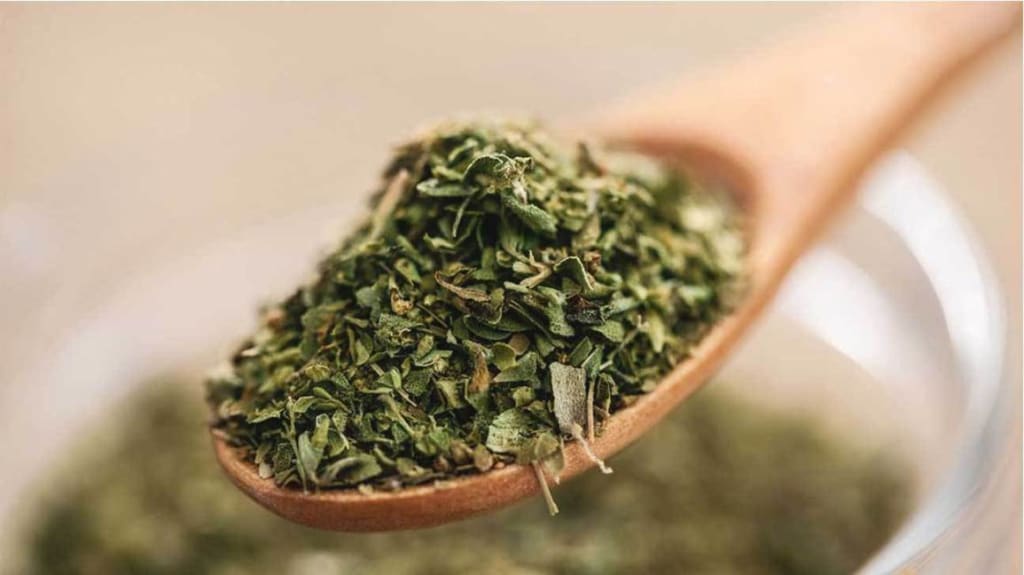
This aromatic plant boasts green leaves that feel a bit fuzzy to the touch. But don't let its soft appearance fool you. Sage is a powerful herb in recipes and in medicinal uses.
Studies suggest that sage has memory-enhancing effects and may even be capable of boosting mood. That may bolster your sense of well-being if you're feeling under the weather. Sage also has natural antibacterial properties, which can come in handy when your body is fighting off unwanted bacteria.
Fresh sage is very fragrant and flavorful. Toss some in your favorite stew, or use it as a garnish for poultry, pork or vegetables.
Sage is an aromatic herb that has long been used in traditional medicine to treat viral infections. The antiviral properties of sage are mostly attributed to compounds called safficinolide and sage one, which are found in the leaves and stem of the plant.
Sage tea is effective for relieving your sore throat, and alleviates painful cramping in the gut. It’s pungent, bitter, and astringent. Sage is also antibacterial, and a natural antiseptic that is high in vitamin K, vitamin C, and vitamin A.
About the Creator
Belen Arce
Belen is the Managing Editor at CF, a Coolhunter who loves self expression through fashion and a Green Foodie by choice, she loves her morning meditation and focuses on the editorial spectre, with the non glamorous behind the scenes.
Keep reading
More stories from writers in Longevity and other communities.
After the warmest weather of the year so far, is winter finally over?
As much of the Northern Hemisphere basks in unseasonably warm temperatures, many are asking whether winter is truly coming to an end or if this is merely a brief interlude before the chill returns. Meteorologists note that while recent weeks have brought record-breaking warmth in several regions, the seasonal transition is more nuanced, and forecasts suggest that cold snaps may still make surprise appearances. Across parts of North America, Europe, and Asia, thermometers have consistently recorded temperatures above seasonal averages. In cities like New York City, Paris, and Beijing, residents have reported unusually mild weather, prompting early sightings of blooming flowers and active wildlife that typically emerge later in the season. Local authorities have even issued advisories for heat-sensitive infrastructure, such as early melting of snow and ice causing minor flooding in some urban areas. Climatologists emphasize that while short-term warmth can feel like the end of winter, it does not necessarily indicate a permanent shift. “Weather and climate are distinct concepts,” said Dr. Hannah Moore, a meteorologist at the National Weather Service. “A week or two of warm temperatures is a weather event. Winter, defined by astronomical and climatological markers, continues until the official seasonal end.” The current warm spell has been linked to several atmospheric phenomena. A persistent high-pressure system has settled over large portions of the Northern Hemisphere, drawing in warmer air from lower latitudes. At the same time, shifts in the jet stream have allowed cold Arctic air to remain farther north than usual, creating a pocket of warmth at mid-latitudes. While such patterns often produce temporary spikes in temperature, they do not necessarily mark the end of the season. Unseasonably warm conditions have significant ecological and societal impacts. Early thawing of snowpacks in mountainous regions increases the risk of spring flooding. Wildlife, particularly migratory birds and hibernating mammals, may be confused by inconsistent cues from the environment, affecting feeding and breeding patterns. Agricultural communities are also on alert, as early warmth can prompt premature growth of crops, leaving them vulnerable to potential late frosts. Despite the optimism brought by sunshine and mild days, experts caution that winter is not officially over until astronomical markers, such as the vernal equinox, are reached. Moreover, historical climate data shows that sudden cold snaps in March and even early April are not uncommon. For instance, a notable late-season cold wave in 2018 caused widespread frost damage across parts of Europe and North America, highlighting the unpredictable nature of transitional seasons. The psychological effects of early warmth are also notable. Residents often report a boost in mood and increased outdoor activity, reflecting the strong link between sunlight and human well-being. Cities have seen a surge in park attendance, cycling, and other recreational pursuits. However, meteorologists urge caution: the allure of warm weather should not lead to underestimating potential residual winter hazards, such as icy patches on roads or sudden snow flurries. Climate change adds another layer of complexity. While seasonal averages are gradually shifting upward globally, the variability from year to year remains significant. Scientists warn that interpreting a single warm spell as a permanent end to winter is misleading. Instead, it should be seen as part of broader patterns of climate variability, including more frequent temperature extremes and unusual weather events. In conclusion, while recent warmth may feel like the curtain call for winter, it is too early to declare the season officially over. Atmospheric patterns, historical precedent, and the persistence of cold pockets all suggest that winter can still make intermittent returns. For now, residents can enjoy the sunny reprieve but should remain prepared for sudden chills. Seasonal transitions are rarely linear, and this early taste of spring may merely be a preview of the warmth to come rather than a definitive end to winter’s reign.
By Fiaz Ahmed 3 days ago in Longevity
The impact of sleep on our mental state
Introduction Sleep is a critical pillar of our daily lives, yet it’s often treated as an afterthought. While comfort and personal preference matter, the idea that we should just sleep “whenever and however” is a trap. To truly function at your peak, you need more than just rest — you need a disciplined strategy. It sounds harsh and at first, if you are used to staying up all night and not paying attention to your mental and physical health, it might seem impossible. However, great things do require some small sacrifices, so let us begin with the three tips.
By Charilaos Spanoudis5 days ago in Longevity
Lightning Never Strikes Twice
The distant rumble, the sudden deluge, the crescendo of sound, the flash of light, the explosive energy — it never gets old. I became an amateur storm chaser about two years ago. My wife, Cindy suggested it. Sort of. She said, "Alex, you know this cancer is killing me. I've come to terms with that, but you're smothering me. Go join a band, write a book, or become a storm chaser, for all I care. I love you, but you need a hobby."
By Julie Lacksonen3 days ago in Fiction



Comments
There are no comments for this story
Be the first to respond and start the conversation.