
10 Simple Ways to Reduce Your Environmental Impact
Practical Tips for Eco-Friendly Living

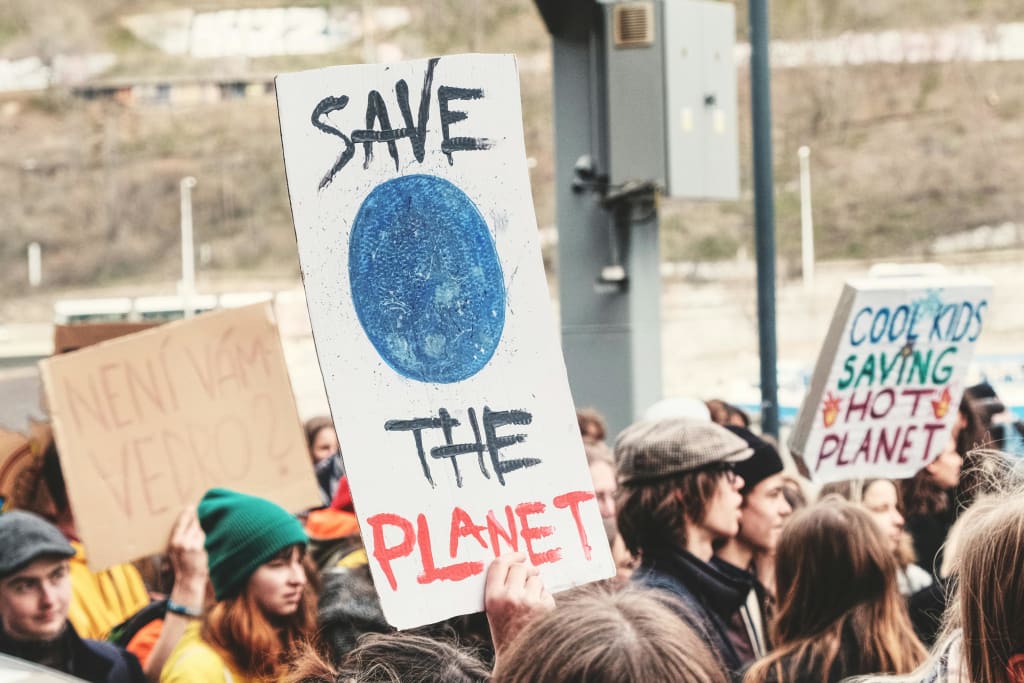
Have you ever paused to listen to the earth's silent cry truly? The melting glaciers, the raging wildfires, the increasingly unpredictable storms—these aren't just news headlines; they're the tangible consequences of a planet struggling to breathe. Global warming isn't a distant threat; it's a present reality, impacting our lives and the lives of future generations. But here's the good news: we can make a difference. Even small, everyday changes can collectively create a powerful wave of positive change. So, let’s explore 10 simple ways you can reduce your environmental impact and become a part of the solution.
1. Embrace Sustainable Transportation
Firstly, consider how you get around. Driving a car, especially alone, contributes significantly to greenhouse gas emissions. Instead, opt for greener alternatives. Specifically, walk, bike, or use public transport whenever possible. Moreover, if driving is necessary, carpool or consider an electric vehicle. Furthermore, regular maintenance on your vehicle can improve fuel efficiency and reduce emissions. Sustainable transportation is a key element in reducing your carbon footprint.
2. Reduce, Reuse, Recycle: The Golden Trio
Next, let's talk about waste. Subsequently, minimizing your waste is crucial. To begin with, reduce your consumption of single-use plastics and disposable items. Then, embrace reusable alternatives like water bottles, shopping bags, and food containers. Additionally, establish a robust recycling system at home. In essence, understanding what can and cannot be recycled is vital. Ultimately, proper waste management plays a significant role in conserving resources.
3. Conserve Water: Every Drop Counts
Then, water conservation is another essential aspect of environmental responsibility. Primarily, fix leaky faucets and toilets promptly. Secondly, take shorter showers and avoid letting the water run unnecessarily. Also, consider installing water-efficient appliances. As a result, you'll save water and reduce your utility bills. In addition, collect rainwater for gardening, which is a great way to conserve water.
4. Eat Mindfully: Choose Sustainable Food
Moreover, the food we eat has a significant environmental impact. Specifically, reduce your consumption of meat, particularly red meat, as it requires substantial resources. Instead, incorporate more plant-based meals into your diet. Furthermore, buy local and seasonal produce to reduce transportation emissions. Additionally, minimize food waste by planning your meals and using leftovers. Consequently, mindful eating contributes to a healthier planet.
5. Conserve Energy: Power Down
In addition, conserving energy at home is vital. Firstly, switch to energy-efficient LED lighting. Secondly, unplug electronics when not in use. Thirdly, adjust your thermostat to reduce heating and cooling costs. Furthermore, consider installing solar panels for renewable energy. Ultimately, energy conservation reduces reliance on fossil fuels.
6. Shop Smart: Support Eco-Friendly Businesses
Furthermore, your purchasing power can make a difference. Specifically, support businesses that prioritize sustainability. Moreover, look for products with eco-friendly certifications. Also, buy products with minimal packaging. Therefore, conscious consumerism drives positive change.
7. Plant Trees: Nature's Carbon Sponge
Next, planting trees is a powerful way to combat climate change. Specifically, trees absorb carbon dioxide and release oxygen. Furthermore, they provide habitat for wildlife and improve air quality. Additionally, participate in local tree-planting initiatives. Thus, you're directly contributing to a healthier environment.
8. Educate and Advocate: Spread Awareness
Additionally, share your knowledge and inspire others. Firstly, educate yourself about environmental issues. Secondly, engage in conversations with friends and family. Thirdly, support organizations working on environmental solutions. Therefore, awareness and advocacy are crucial for collective action.
9. Reduce Chemical Use: Protect Your Health and the Planet
Subsequently, minimize the use of harmful chemicals. Specifically, opt for natural cleaning products. Moreover, avoid pesticides and herbicides in your garden. Also, choose personal care products with natural ingredients. Consequently, you're reducing pollution and protecting ecosystems.
10. Embrace a Minimalist Lifestyle: Less is More
Finally, consider embracing a minimalist lifestyle. In essence, reduce your consumption of material goods. Moreover, focus on experiences rather than possessions. Furthermore, declutter your home and donate unwanted items. Ultimately, simplicity reduces your environmental footprint.
Cultivating a Greener Tomorrow: Our Shared Responsibility
Making a difference doesn't require grand gestures; it starts with small, consistent actions. By incorporating these simple steps into your daily life, you're contributing to a healthier, more sustainable future. Remember, every effort counts, and together, we can create a world where both people and the planet thrive.
Frequently Asked Questions
Q: Why is it important to reduce my environmental impact?
Reducing your environmental impact helps to mitigate climate change, conserve natural resources, protect ecosystems, and create a healthier planet for current and future generations. Small changes collectively make a big difference.
Q: I live in an apartment; how can I conserve energy?
Even in an apartment, you can conserve energy by:
- Switching to LED light bulbs.
- Unplugging electronics when not in use.
- Adjusting your thermostat.
- Using energy-efficient appliances.
Q: What are some easy ways to reduce plastic waste?
Simple ways to reduce plastic waste include:
- Using reusable water bottles and coffee cups.
- Bringing your shopping bags.
- Avoiding single-use plastic straws and cutlery.
- Purchasing products with minimal packaging.
- Buying in bulk to reduce packaging.
Q: How can I make my diet more environmentally friendly?
Make your diet more sustainable:
- Reduce your consumption of red meat.
- Incorporate more plant-based meals.
- Buy local and seasonal produce.
- Minimize food waste.
- Consider growing your herbs and vegetables.
Q: What are some eco-friendly transportation options?
Eco-friendly transportation options include:
- Walking or biking.
- Using public transportation.
- Carpooling.
- Driving an electric vehicle.
- Combining errands to reduce driving.
Q: How can I support environmentally responsible businesses?
You can support eco-friendly businesses by:
- Looking for certifications like Fair Trade or B Corp.
- Choosing products with sustainable packaging.
- Supporting local businesses that prioritize sustainability.
- Researching companies' environmental policies.
Q: Is recycling effective?
Yes, recycling is effective, but it's most effective when combined with reducing and reusing. Ensure you:
- Understand your local recycling guidelines.
- Clean and separate recyclables properly.
- Prioritize reducing and reusing over recycling.
Q: What are some natural cleaning products I can use?
Natural cleaning products include:
- Vinegar: Effective for cleaning surfaces and removing odors.
- Baking soda: great for scrubbing and deodorizing.
- Lemon juice: natural disinfectant and degreaser.
- Essential oils: add natural fragrance and have antimicrobial properties.
Q: How can I educate my children about environmental responsibility?
You can educate children by:
- Leading by example.
- Involving them in recycling and gardening.
- Reading books and watching documentaries about nature.
- Spending time outdoors and exploring nature.
- Explaining the importance of conservation in simple terms.
Q: What is a "carbon footprint," and how can I reduce mine?
A carbon footprint is the total amount of greenhouse gases generated by your actions. You can reduce it by:
- Conserving energy.
- Reducing waste.
- Choosing sustainable transportation.
- Eating a more plant-based diet.
- Buying less and buying more sustainable.
About the Creator
Met Office Forecasts Dry Weather for Sindh
The Pakistan Meteorological Department has issued a forecast indicating that Sindh province is expected to experience a prolonged period of dry weather over the coming weeks. Meteorologists say the region will see little to no rainfall, with temperatures remaining above seasonal averages, raising concerns about agriculture, water resources, and public health. According to the Met Office, a high-pressure system over the Arabian Sea and the Indian subcontinent is likely to dominate weather patterns in Sindh for the next fortnight. This atmospheric configuration inhibits cloud formation, leading to clear skies and minimal precipitation. Forecasts predict daytime temperatures in major cities, including Karachi and Hyderabad, to hover between 28°C and 34°C, slightly above the long-term average for this period. Nighttime temperatures are expected to remain mild, ranging from 18°C to 22°C. The dry spell comes at a critical time for the agricultural sector. Sindh is a major contributor to Pakistan’s wheat, sugarcane, and rice production. Farmers are being advised to monitor soil moisture levels carefully and consider supplemental irrigation for crops at sensitive growth stages. Prolonged dry conditions can affect germination, yield, and quality, particularly for wheat crops that rely on moderate rainfall in the final stages before harvest. Water resource management is also expected to become a key challenge. Reservoirs and canals in Sindh, which depend on upstream flows from the Indus River system, are already operating at variable levels due to reduced inflows and increased water demand. Local authorities are monitoring water distribution closely, emphasizing conservation measures and urging residents to avoid excessive usage. In some districts, water rationing plans may be activated if the dry period persists. Public health officials have cautioned about potential heat-related risks. Although the current temperatures are not extreme, prolonged dry conditions can exacerbate health issues, particularly for vulnerable populations such as the elderly, children, and people with preexisting medical conditions. Heat stress, dehydration, and respiratory issues may become more common if residents do not take appropriate precautions. Health authorities recommend staying hydrated, avoiding prolonged exposure to the sun during peak hours, and ensuring access to cool environments. The Met Office also noted that dust storms and haze could occur in some areas due to the dry conditions combined with occasional strong winds. These phenomena can reduce visibility and impact road traffic, aviation, and outdoor activities. Residents are advised to take safety precautions, particularly when traveling, and to follow local advisories regarding dust and air quality. Economists have warned that the dry spell could have indirect effects on local markets. Reduced crop output may drive up food prices, especially for wheat, rice, and vegetables, affecting household budgets and contributing to inflationary pressures. Traders and suppliers are being advised to monitor market conditions and plan accordingly to avoid shortages or sudden price hikes. Despite the dry weather, meteorologists have noted that this pattern is part of a natural seasonal variation. Sindh typically experiences dry periods during the pre-monsoon and post-winter seasons, and occasional heat waves are not unusual. However, experts also emphasize that climate change may be altering rainfall patterns, leading to longer dry spells and more unpredictable weather events. Continuous monitoring and early warning systems are essential to mitigate risks to agriculture, water supplies, and public health. Authorities in Sindh have urged residents and local businesses to remain vigilant. Farmers should adopt efficient irrigation practices, municipal agencies should ensure water distribution networks function effectively, and the public should take measures to protect health and safety. Collaboration between government departments, meteorological agencies, and the community will be crucial in managing the impacts of this dry period. Looking ahead, the Met Office expects the dry spell to continue into late March, with little relief from rainfall until the onset of the pre-monsoon showers. While temperatures are likely to remain moderate, the persistence of dry weather underscores the need for careful planning and resource management in Sindh. Residents are encouraged to stay updated with official forecasts and advisories to minimize the effects of prolonged dry conditions on daily life and livelihoods.
By Fiaz Ahmed 6 days ago in Longevity
The Politics of Playing Dress-Up
Well, to start off I'd like to say a happy world book day to all who celebrate. I know I haven't really posted anything on my socials about it but I'm not a jubilant kind of person. I lay low most of the time. Let's start off with a popular anecdote from the vaults...
By Annie Kapur2 days ago in Geeks



Comments
There are no comments for this story
Be the first to respond and start the conversation.