
10 Simple Japanese Habits for a Healthier, Longer Life
Japan is home to some of the longest-living people in the world — and their secret isn’t magic. It’s found in the small, simple habits they practice every day. From mindful eating and gentle movement to inner calm, gratitude, and respect for nature — these Japanese habits quietly nurture both body and soul. In this article, you’ll discover:


At 18, I moved to the US. It marked my first time away from Japan. I began noticing both the good and bad sides of my own culture. As a teen, I focused only on the flaws. I tried my best to look and act American. Before I knew it, I started hating Japan.
It felt like I had locked away my Japanese self.
A few years after returning home, something shifted. My love for my country slowly came back. I embraced the culture and the way of life again. I allowed myself to love who I truly am. I welcomed my Japanese roots.
As I rediscovered my culture, I noticed many natural, everyday habits that quietly support a better, longer life. They’re simple, but powerful.
Today, I want to share them with you — no matter where you live.
1. Start Your Day with Hot Water

Kick off your morning with hot water. I love coffee, but drinking it first thing can be harsh on the stomach. If that’s you, try soup or plain hot water instead.
It hydrates your body, warms you from the inside (especially in winter), and gently wakes up your digestion. You feel calmer and more balanced.
Drink it plain, or add a little lemon for flavor.
2. Eat a Proper, Nourishing Breakfast

If you’ve ever stayed at a good Japanese hotel, you know how serious we are about breakfast. Plates are full, colorful, and balanced. I always choose plans that include breakfast.
People who eat breakfast regularly report feeling happier and more positive — and research supports this. Those who skip it often feel less joyful and spend more time on their phones.
A traditional Japanese breakfast might include white rice, miso soup, grilled fish, natto, pickles, rolled omelet, and more. It’s rich in nutrients, keeps you full, boosts energy, and supports longevity.
3. Eat with Nutritional Awareness

Many tourists rely on convenience-store food while in Japan. Locals rarely do. Those foods often contain additives and lack enough protein, fiber, and vitamins.
From a young age, we’re taught about nutrition and balanced meals. In school, a chef once visited our class to explain the role of each food group. We even started cooking lessons in fifth grade.
A colorful chart showed food groups by role — protein, minerals, vitamins, and more. Nothing fancy. Just public school education. And it’s standard across Japan.
4. Include Fermented Foods and Side Dishes

We eat a lot of fermented foods and small side dishes. Natto is my favorite — our true superfood. Many people dislike it because of the smell or texture, but often it’s prepared wrong.
(Pro tip: stir it about 100 times to get the perfect texture.)
Natto supports heart health, skin, gut, bones, immunity — the benefits go on and on. And it’s just one example.
Japan has over 3,000 kinds of pickles alone. Soy sauce, miso, mirin, sake — all fermented staples.
5. Drink Green Tea — and Prepare Matcha Mindfully


Matcha has become popular worldwide, but it’s just one type of green tea. Both offer powerful health benefits. In Japan, green tea is the everyday choice — affordable, quick, and simple.
In a recent Kyoto tea class, I learned the proper way to prepare matcha. Since then, I’ve been hooked — not just for health, but for the calm it brings.
Next time, pause your podcast. Sit at a table. Breathe in the aroma. Listen to the sound of the whisk. Say thank you before sipping.
It’s a moment of zen.
6. Follow the 80% Rule (Hara Hachi Bun Me)
I break this rule daily, but it’s worth knowing. Hara hachi bun me means eating until you’re about 80% full.
This habit helps prevent overeating, maintains healthy weight, and supports digestion. Overeating speeds up cellular damage and accelerates aging.
We often serve meals in small kobachi bowls. That way, you can try many dishes, get diverse nutrients, and naturally avoid excess.
The only downside? More dishes to wash.
7. Practice Gratitude Before and After Meals

Before eating, we say itadakimasu. After, gochisousama. Both mean “thank you for the food,” but the meaning goes deeper.
We thank the cook, the farmers, the animals, the plants, and nature itself.
It’s a quiet gratitude ritual we practice automatically — and it’s deeply grounding.
8. Use Vinegar in Everyday Cooking

Vinegar is a staple in Japanese cuisine. Some people even drink it straight for health benefits. Sushi rice always includes it — that’s one of our cooking secrets.
I use vinegar in dressings and sauces. Ponzu sauce is a favorite — vinegar-based and perfect for hot pot, dumplings, sashimi, or anything.
You can make it easily at home:
1 part vinegar, 1.5 parts soy sauce, a splash of lemon juice. Add dashi if you like extra umami.
9. Eat Slowly and Mindfully
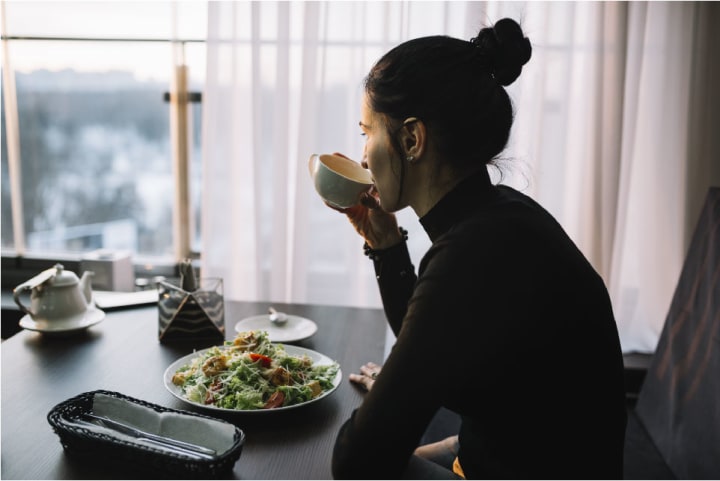
My brother used to eat too fast. My mom always told him, yukkuri tabete — eat slowly.
Studies show that fast eaters tend to have higher BMI and greater risk of being overweight. Eating slowly helps you feel full sooner and enjoy your meal more.
It turns eating into a mindful experience.
10. Closing: Small Habits, Big Impact

Longevity isn’t built on dramatic changes.
- It grows quietly through the small choices we make every day.
- A cup of warm water in the morning.
- A slower meal.
- A moment of gratitude before eating.
These habits may seem simple, but over time, they shape how we live, how we feel, and how deeply we care for ourselves.
- You don’t need to live in Japan to live this way.
- Just start with one habit.
- Let it become part of your day.
- And let the rest follow naturally.
Share your thoughts in the comments — I’d truly love to hear your story.
Thank you for spending this moment with me.
Take care, eat well, live gently.
See you soon. Bye.
About the Creator
Stella Vu
I’m a woman in my 30s, learning to live with more intention, balance, and care.
As I grow older, I’ve become deeply interested in health, well-being, and the small daily choices that shape how we feel and live.
Keep reading
More stories from writers in Longevity and other communities.
Day 4 of Quitting
If this is how sobriety feels, maybe it’s better to go through life a little buzzed… this, along with other hits like, I want to kill myself, I wish I was dead, and I’m going to throw myself off a bridge have been the only thoughts on rotation these past few days. I promise myself that if, in a month, I still feel like this (‘this’ meaning despondent, full of rage, and simultaneously numb) I can go back to smoking. Until mid-February though? Nicotine is off the table.
By sleepy drafts23 days ago in Longevity
U.S. Trade Deficit
The U.S. trade deficit has long been a central topic in economic debates, shaping discussions about globalization, domestic production, and financial stability. At its simplest, a trade deficit occurs when a country imports more goods and services than it exports. For the United States—one of the world’s largest economies—this imbalance reflects both structural strengths and ongoing challenges within the global marketplace.
By Saboor Brohi about 22 hours ago in Longevity




Comments
There are no comments for this story
Be the first to respond and start the conversation.