
10 Early signs of mental health problems you should Never Ignore
Mental health issues are common, but they can often be slipping under the radar. Early signs of mental health problems may not seem severe enough to warrant professional help, but it's better to get screenings before they worsen.

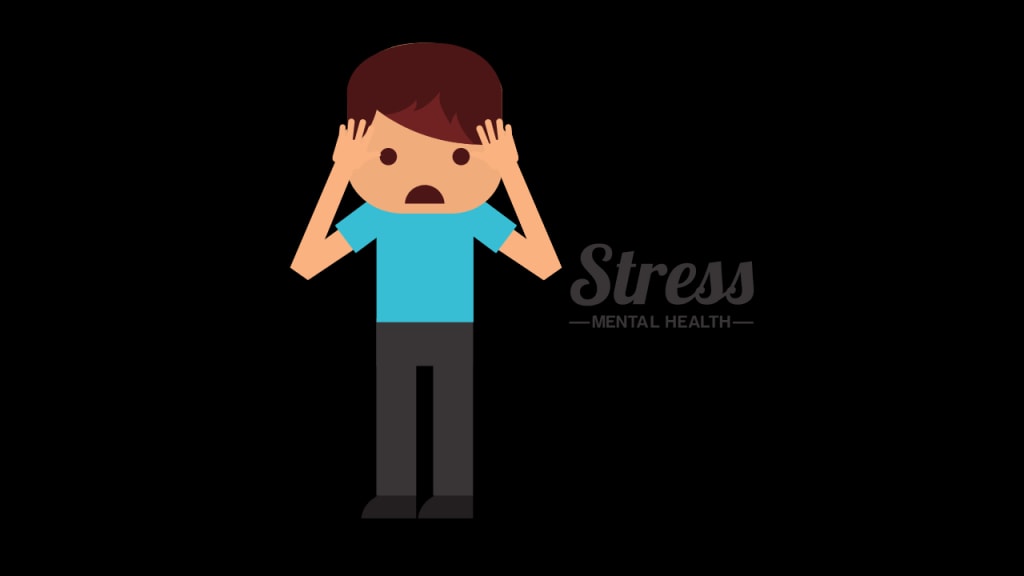
You should never ignore mental health problems. If you or someone you love is showing signs of depression, anxiety, or psychological distress, it's time to seek help. There are several early warning signs that could indicate mental health issues.
I want to talk about 10 of the most common signs that an individual is struggling with a mental health concern. Check out the list below for a more general overview, and visit our blog to learn more about these indications and what you can do if you notice them in yourself or someone else.
1. Lack of sleep
Sleep is one of the most important aspects of mental health. When a person does not get enough sleep, it can lead to a host of issues. Sleep deprivation can make it difficult for them to concentrate and do simple math calculations. It makes it difficult to control their behavior or think clearly when they are tired.
If you see your loved one drifting off in the middle of an argument, paying attention to anything else on the other person's list, or even just zoning out while watching TV, it may be worth asking them what's wrong and if they'd like some help sleeping more.
2. Lack of socializing
Growing up, we are taught that it is acceptable to spend time alone and that it is okay for us to be introverts for long periods of time. But, this does not mean that being alone all the time is a good thing.
If your loved one is spending most of their time alone doing nothing or spending most of their time on the computer or phone only engaging with friends online, you may want to ask them how they are feeling.
If they refuse to talk to you about what's going on, then you may want to seek professional help on your own as one sign someone needs help.
3. Immediate, negative reactions to situations
Sometimes we don't recognize when trauma or stress is contributing to something that we are experiencing now. If one of your best friends at school has just moved away, and you are constantly thinking about how much you miss them, it could be a sign of anxiety or depression. Or if you find that your response to meeting a friend who has been sick with the flu is to panic and worry about what they think of you or how they are feeling, they may need help dealing with this. Simply asking them if something makes them sad or anxious can help them identify what is causing their symptoms.
4. Persistent sadness/mood issues
We have all had times where we have felt sad, depressed, or anxious. In these cases, it's okay to feel negative emotions and even express them. But if your child or loved one expresses sadness without a good reason for feeling that way, it could be a sign of depression. Or if they are constantly experiencing mood swings and changes in emotions that last longer than normal, they may need help dealing with this condition. If you notice this occurring in your loved one, try talking to them about their feelings and encourage them to talk to someone that they trust.
5. Problems controlling their emotions
At various times in our lives, we may find it difficult to respond to situations and events that have negative consequences.
For example, if you are always fighting with your partner when you are stressed out about your finances, it could be a sign that you have extreme levels of stress.
If your child seems unable to control their behavior even when this has negative outcomes like breaking important toys or getting into trouble at school, they may need help dealing with this type of behavior.
6. A change in their interest in certain things
Teenagers often try many new things and enjoy many facets of life. But, if they all of a sudden don't care about the things they used to enjoy or they have less interest in hobbies and activities than they used to, you may have cause for concern.
If this occurs in adults, it can be even more serious. When people lose interest in most aspects of their lives, it may be a sign that they are struggling with something that they are unable to handle on their own.
7. Making preparations without reason
In some cases, adults and children alike will start making preparations for the future or planning things that seem unnecessary and out of character for them.
For example, if you notice that your loved one has been spending a lot of time making plans for their future and talking about different opportunities they want to take advantage of in life, they may be trying to distract themselves from the pain they feel inside.
If a child or adult is doing this, it may be a sign that they are dealing with something stressful or traumatic.
8. Self-harm or suicidal thoughts
Self-harm is self-injury by a person without the intention of killing themselves. While it can involve cutting and burning, it also can involve things like hitting yourself or banging your head against things repeatedly. If you notice these signs, it could be a sign that the person is struggling with an intense amount of distress and doesn't know how to deal with it. Giving that person tools or resources to deal with their feelings can be helpful.
9. Reckless or impulsive behavior
Reckless behavior is an extreme manifestation of the normal human tendency to experience bursts of high energy and strong emotions. If your loved one acts "crazy" for no reason, this could be a sign that they are experiencing extreme stress or distress and may not know how to deal with it. If you see someone behaving in this way, try asking them if it has been a struggle for them or if there is anything that could be done to help them feel better.
10. Physical health problems
Physical health problems are sometimes a sign of depression or anxiety. For example, people who struggle with anxiety can experience many physical symptoms that they attribute to other causes such as a stomach ache or a headache.
In some cases, these symptoms can land the person in the hospital due to the severity of their illness. If you notice sudden changes in your loved one's health or signs of severe pain, this may be a sign that they need help dealing with stress and trauma.
Finally
Everyone has their own way of dealing with trauma and extreme stress, and this will likely be different from that of your loved one. However, if you notice changes in these behaviors in your loved one, ask them if there is anything you can do to help them cope better or provide them with some support.
If they ask for professional help, make an appointment for them. But, first try getting them some help on their own so that they can learn how to manage these symptoms on their own before seeking treatment through a professional.
About the Creator
Phong OG
Welcome to our blog... This is where we will find news, information, tips, tricks and advice on how to make your life better. We hope you enjoy our blog as much as we do.
Day 4 of Quitting
If this is how sobriety feels, maybe it’s better to go through life a little buzzed… this, along with other hits like, I want to kill myself, I wish I was dead, and I’m going to throw myself off a bridge have been the only thoughts on rotation these past few days. I promise myself that if, in a month, I still feel like this (‘this’ meaning despondent, full of rage, and simultaneously numb) I can go back to smoking. Until mid-February though? Nicotine is off the table.
By sleepy drafts10 days ago in Longevity
Radiology Information System Market Size & Forecast 2025–2033
The global Radiology Information System (RIS) market is entering a decisive growth phase as healthcare providers worldwide accelerate their digital transformation agendas. According to Renub Research, the market is projected to expand from USD 1.07 billion in 2024 to USD 2.17 billion by 2033, reflecting a strong compound annual growth rate (CAGR) of 8.14% from 2025 to 2033.
By Renub Research4 days ago in Longevity


Comments
There are no comments for this story
Be the first to respond and start the conversation.