
Yoga for Inner Strength
Mindful Moves for Stress Relief


Yoga for Inner Strength: Mindful Moves for Stress Relief
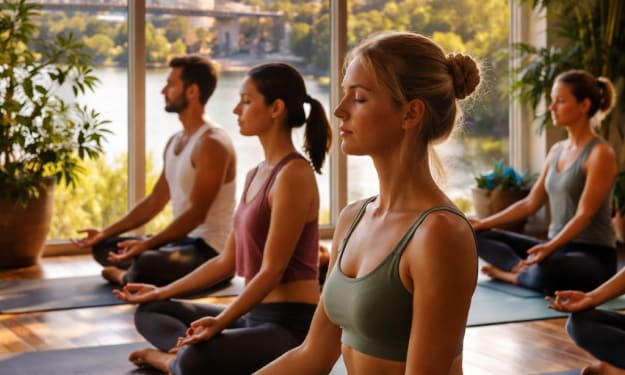
In today's fast-paced world, stress has become a common issue that affects both the mind and body. Whether it's due to work pressure, personal challenges, or constant digital distractions, many people struggle to find peace. Yoga is a powerful and ancient practice that can help alleviate stress while building inner strength. Through mindful movements, deep breathing, and meditation, yoga not only enhances physical flexibility but also brings about mental clarity and emotional balance.
In this article, we'll explore how specific yoga practices can foster inner strength and help you manage stress. We'll cover the following key areas:
- What is Inner Strength?
- The Connection Between Yoga and Stress Relief
- How Mindful Yoga Builds Resilience
- Beginner Yoga Poses for Stress Relief
- Intermediate Yoga Poses to Boost Mental Fortitude
- Breathing Techniques (Pranayama) for Inner Calm
- Meditation: The Key to Emotional Balance
- The Role of Yoga in Building a Strong Mind-Body Connection
- Tips for Practicing Mindful Yoga in Daily Life
- How Consistent Yoga Practice Transforms Mental Health
Let's dive into how you can use yoga to create a sense of inner peace, build resilience, and overcome stress.
What is Inner Strength?
Inner strength is the ability to maintain emotional balance and mental clarity, even when faced with life's challenges. It refers to a strong sense of self, emotional resilience, and the ability to cope with stress without being overwhelmed. Inner strength enables individuals to bounce back from adversity, stay grounded, and approach problems with a solution-oriented mindset.
This inner fortitude is essential for managing stress. Without it, minor challenges can feel insurmountable, leading to anxiety and emotional exhaustion. Yoga can be a powerful tool to develop and nurture this inner strength.
The Connection Between Yoga and Stress Relief
Stress impacts both the mind and body. It triggers the "fight or flight" response, leading to physical tension, rapid breathing, and elevated heart rate. Over time, chronic stress can lead to serious health issues such as anxiety, depression, and even heart disease.
Yoga helps counter these stress responses by activating the parasympathetic nervous system, which is responsible for the "rest and digest" state. By incorporating deep breathing, mindful movements, and meditation, yoga helps calm the mind, lower heart rate, and relax muscles. These practices create a state of relaxation, helping reduce cortisol levels (the stress hormone) and promoting emotional balance.
How Mindful Yoga Builds Resilience
Resilience is the ability to bounce back from difficult situations; yoga can help cultivate it. By focusing on the present moment and maintaining awareness of your breath and body, you can become more grounded, centered, and less reactive to stress.
Mindful yoga encourages practitioners to stay in the moment, accept discomfort, and push through limitations—all of which build mental resilience. Holding poses, for example, teaches patience and perseverance. The slow, steady breath helps train the mind to stay calm even when the body is under physical strain. This mindfulness can be carried off the mat into daily life, allowing you to approach stressful situations with greater clarity and strength.
Beginner Yoga Poses for Stress Relief
If you're new to yoga, several gentle poses can help you begin building inner strength and relieve stress. These poses focus on grounding, relaxation, and promoting a sense of calm:
- Child's Pose (Balasana)
This restful pose is excellent for relieving tension in the back and shoulders while promoting deep relaxation. To practice, kneel on the mat, sit back on your heels, and extend your arms forward. Rest your forehead on the ground and breathe deeply, focusing on releasing any tension.
- Cat-Cow Pose (Marjaryasana-Bitilasana)
This pose helps improve spinal mobility and reduces tension in the neck and back. Start on your hands and knees, and alternate between arching your back (cow pose) and rounding it (cat pose) while syncing your breath with each movement.
- Legs-Up-the-Wall Pose (Viparita Karani)
This restorative pose is perfect for reducing stress, improving circulation, and calming the nervous system. Simply lie on your back and extend your legs up against a wall, allowing your arms to rest by your sides. Focus on deep, slow breathing.
- Seated Forward Bend (Paschimottanasana)
A great pose to stretch the hamstrings and calm the mind. Sit with your legs extended in front of you, and reach for your feet or shins, folding forward from the hips. This pose encourages inward focus and can help alleviate anxiety.
Intermediate Yoga Poses to Boost Mental Fortitude
For those with some yoga experience, here are a few intermediate poses that can help strengthen both the body and mind:
- Warrior II (Virabhadrasana II)
This powerful standing pose enhances focus, stability, and confidence. It strengthens the legs and core while encouraging deep breathing. To practice, step one foot back, bend the front knee, and extend your arms parallel to the ground. Focus your gaze on your front hand and hold the pose while breathing deeply.
- Tree Pose (Vrikshasana)
Balancing poses like Tree Pose help develop concentration and mental clarity. Stand tall, and place the sole of one foot on the inner thigh of the opposite leg. Bring your hands together in a prayer position in front of your chest. Engage your core and find your balance, focusing on steady breathing.
- Bridge Pose (Setu Bandhasana)
This backbend strengthens the spine and opens the chest, promoting emotional release and relaxation. Lie on your back with your knees bent and feet on the floor, then lift your hips toward the ceiling. This pose helps reduce stress by opening the heart space and promoting deep, diaphragmatic breathing.
Breathing Techniques (Pranayama) for Inner Calm
Breathing, or pranayama, is a vital aspect of yoga practice. Controlled breathing can help calm the nervous system, improve focus, and reduce anxiety. Here are a few pranayama techniques that promote inner calm:
- Ujjayi Breath (Victorious Breath)
This technique involves inhaling deeply through the nose and exhaling with a slight constriction in the throat, creating a soft, ocean-like sound. Ujjayi breath helps calm the mind, focus attention, and reduce stress.
- Nadi Shodhana (Alternate Nostril Breathing)
This balancing breath technique helps calm the nervous system and clear the mind. Using your thumb and ring finger, alternate between closing one nostril and breathing through the other. This practice promotes a sense of inner peace and clarity.
- 4-7-8 Breathing
A simple yet effective technique to reduce stress and anxiety. Inhale for 4 seconds, hold the breath for 7 seconds and exhale slowly for 8 seconds. This practice slows the heart rate and promotes relaxation.
Meditation: The Key to Emotional Balance
Meditation is an essential component of yoga and is one of the most effective tools for managing stress and building emotional resilience. By quieting the mind and focusing on the present moment, meditation can help you gain a sense of inner calm and reduce reactivity to external stressors.
- Guided Meditation
This practice involves following the instructions of a teacher or recording to focus your thoughts. Guided meditation can be particularly helpful for beginners, as it provides structure and focus, making it easier to relax.
- Loving-Kindness Meditation
Also known as Metta meditation, this practice involves silently repeating phrases of well-being and kindness toward yourself and others. It's a great way to cultivate compassion, reduce anxiety, and promote emotional healing.
The Role of Yoga in Building a Strong Mind-Body Connection
One of the most transformative aspects of yoga is its ability to strengthen the mind-body connection. This connection is crucial for maintaining mental health and physical well-being. When we're stressed, we often disconnect from our bodies, ignoring physical tension or emotional distress.
Yoga encourages a deeper awareness of the body through mindful movement and breath. As you practice, you become more attuned to how your body feels, allowing you to release tension and stress. This heightened awareness leads to better emotional regulation and greater inner strength.
Tips for Practicing Mindful Yoga in Daily Life
Incorporating yoga into your daily routine doesn't have to be complicated. Here are a few tips to help you practice mindful yoga consistently:
- Start Small: Even 10-15 minutes of yoga each day can make a significant difference in managing stress.
- Focus on Breath: Whether you're on the mat or not, practicing deep, mindful breathing can help calm your mind.
- Be Present: During your yoga practice, focus on the present moment and let go of any distractions or worries.
- Create a Relaxing Space: Set up a designated space for your yoga practice that promotes relaxation and calm.
How Consistent Yoga Practice Transforms Mental Health
Practicing yoga regularly can lead to profound mental and emotional benefits. Over time, yoga helps rewire the brain to become more resilient and less reactive to stress. This is due to the combination of mindfulness, movement, and breath control, which collectively support the body's natural relaxation response.
Yoga also improves mental clarity, boosts focus, and enhances emotional balance. By integrating yoga into your life, you’ll develop a deeper connection to yourself and your inner strength, allowing you to face challenges with calm and confidence.
Conclusion
Yoga is a powerful practice for developing inner strength and finding relief from stress. Through mindful movements, breathing exercises, and meditation, you can enhance your physical and mental resilience. Whether you're a beginner or an experienced practitioner, incorporating yoga into your routine will help you cultivate a sense of peace, balance, and fortitude that can carry you through even the most stressful situations.
By consistently practicing yoga, you'll not only build physical flexibility but also mental resilience, helping you navigate life's challenges with greater ease and grace.
About the Creator
Anitha
Anitha is a skilled blog writer passionate about simplifying complex topics. With expertise in personal growth, wellness, finance, and technology, She simplifies complex ideas, inspiring readers to take action and improve their lives
How To Select Expert Hospitality Advisors for A Successful Hotel Launch in Dubai
Starting a hotel project in Dubai is quite an exciting step that requires a certain level of planning smart as well as expert guidance. With strong competition, guest expectations being high, and strict regulations, choosing the right hospitality consultant to guide you through such an endeavour can shape your success. From early planning to daily operations, consultants share practical knowledge that helps turn your ideas into a working hotel. This guide shows you how to choose the right hospitality consultants in Dubai and make smart decisions that support a successful and profitable project.
By Claudia Fennel5 days ago in Lifehack
Yoga Brisbane and the Rise of Consistent Practice in a High-Pressure City
Brisbane has changed significantly over the past decade. Once seen as a slower-paced alternative to Australia’s larger capitals, the city now carries many of the same pressures found elsewhere: demanding workloads, blurred boundaries between professional and personal time, constant connectivity, and a strong expectation to keep moving forward. In this environment, wellbeing has shifted from an abstract ideal to a practical concern. For many residents, Yoga Brisbane has become less about novelty or fitness trends and more about building consistency in a city that rarely slows down.
By Rochelle Martinez5 days ago in Lifehack
🅼🅸🅳🅽🅸🅶🅷🆃 🆂🅽🅰🅲🅺🆂
"It's 10 in Tuscon! We all know what that means... It's Time for Midnight Snacks with your man, Gerald Gee! Ready to spend the night together? Me too! I'm full of snacks and can't wait to regurgitate them all back into your hungry ears. Crack a brew! Pop some corn! Anything to get ready for one hell of a show where the talk maybe cheap but the words cut deep...
By Lamar Wigginsa day ago in Fiction



Comments
There are no comments for this story
Be the first to respond and start the conversation.