
Yoga for Diabetic Patients: An Effective Method to Control Blood Sugar Levels
The best natural way to control Diabetic

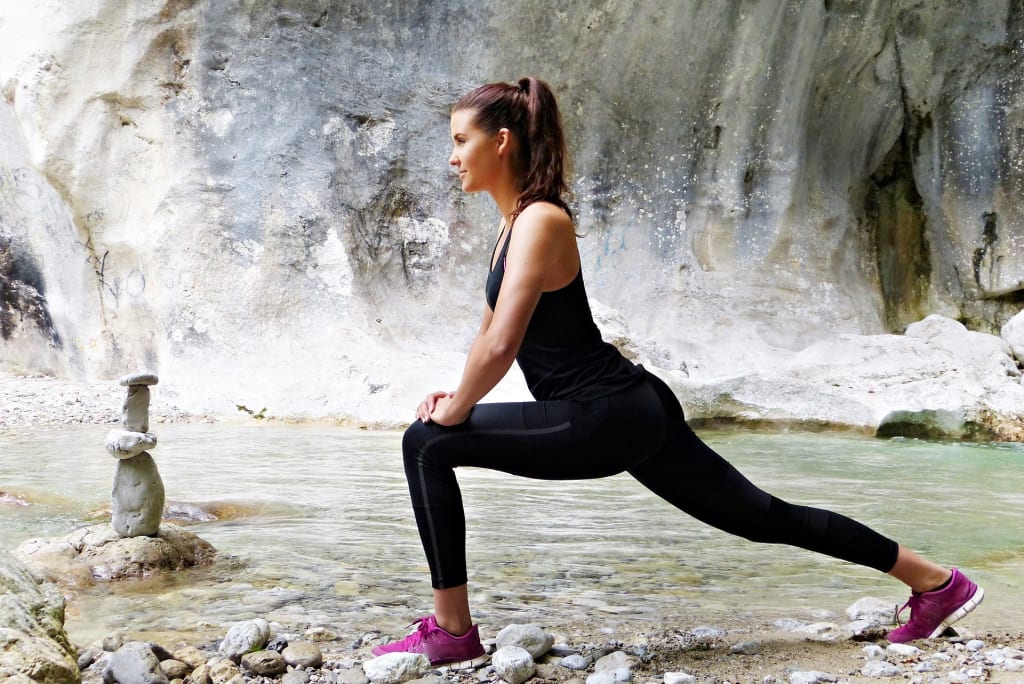
High blood sugar or hyperglycemia is a condition that affects many people. It can be a temporary condition due to something like stress, unplanned food intake, etc. or it can be a chronic condition for which one needs to take constant care and attention. A person with high blood sugar is at risk of developing diabetic complications such as atherosclerosis (hardening of the arteries), heart disease, and stroke in the future. To avoid these complications, maintaining healthy blood sugar levels is important, and this can be achieved through a wholesome diet and physical activity as well as medication in some cases. Whether you’re newly diagnosed with type 2 diabetes or are living with type 1 – there are many ways you can manage your disease by staying active and making healthier choices. Yoga is an effective way to do just that!
What is Yoga?
Yoga is an ancient Indian practice that is often used interchangeably with the term “meditation”. But the actual meaning of yoga is to “bring together” or “unify” the body and mind. In simple words, yoga is a way to stay healthy and fit - both physically and mentally. There are many types of yoga that one can choose from, but the most common are Hatha yoga, Ashtanga yoga, Vinyasa yoga, Bikram yoga, and Iyengar yoga. Yoga is a perfect way to relax, reduce stress, improve blood flow, and increase flexibility in your muscles. It also helps in strengthening your core muscles, improves your balance, and reduces back pain.
How does yoga benefit diabetic patients?
There are a number of ways in which yoga can benefit diabetic patients. - Yoga is a great stress reliever. It helps in reducing the cortisol hormone that is released during times of stress. This hormone contributes to insulin resistance and increased blood sugar levels. - It increases blood flow to the muscles and brain. Improving blood flow to the muscles can help prevent diabetic foot ulcers which can be a complication in diabetic patients. It also helps in improving memory, concentration, and problem-solving skills. - It increases flexibility in your muscles, joints, and ligaments. This is beneficial in the long run since it lowers the risk of injuries. - It reduces inflammation in the body. It is known that diabetic patients are at risk of developing inflammation in their body, especially in their blood vessels. This can be reduced through yoga.
Adho Mukha Svanasana
If you’re looking for an effective asanas (yoga poses) to reduce blood sugar levels, Adho Mukha Svanasana is a great start. This pose is known to reduce blood sugar levels, improve digestion, and increase blood flow to the brain. To perform this asana, start by sitting on your knees and bring your palms together. Slowly tilt your head and rest it between your arms. Keep your elbows straight and your shoulders relaxed. Adho Mukha Svanasana helps in reducing stress and improving your ability to concentrate. It also helps in reducing your blood pressure and heart rate while increasing your blood flow to the brain.
Tadasana
If you’re looking for an asana to control your blood sugar levels, Tadasana or the Mountain pose is what you need. This simple asana is known to slow down the rate at which your blood sugar levels rise. To perform this asana, stand straight with your feet aligned with your hips. Bring your palms together and breathe out slowly. Let your shoulders relax and keep your spine straight. Tadasana is beneficial for diabetic patients as it helps in reducing stress and regulating your breathing pattern. It also helps in strengthening your core muscles, improves blood flow to the brain and eyes, and reduces fatigue.
Utthita Hasta Padangusthanasana
If you’re looking for an asana that can be practiced by people of all age groups and is especially beneficial for diabetic patients, try Utthita Hasta Padangusthanasana. This asana is known to control blood sugar levels, reduce stress, and improve sleep. To perform this asana, sit on your knees and bring your palms together. Slowly, extend your arms behind you and hold your ankles. Make sure that you are sitting straight and are not slouching. This asana is beneficial for diabetic patients as it helps in relaxing your entire body. It also helps in improving blood flow to your muscles and regulating your blood sugar levels.
Ardha Chandrasana
If you’re looking for an asana that can be performed by beginners and is particularly beneficial for diabetic patients, Ardha Chandrasana is the way to go. This asana is known to help in regulating your blood sugar levels, reduce stress, and improve your mood. To perform this asana, start with a standing position and bring your palms together. Slowly, bend your knees and cross your right leg in front of your left leg. Hold your right foot with your left hand and rest your right palm on your right knee. To make this asana even more effective, you can add a visualization. While performing this asana, close your eyes and visualize a river flowing with crystal clear water. Visualize the river cleansing your body and mind from stress and toxins.
Conclusion
Yoga is an ancient Indian practice that is often used interchangeably with the term “meditation”. However, the actual meaning of yoga is to “bring together” or “unify” the body and mind. There are many types of yoga that one can choose from, but the most common are Hatha yoga, Ashtanga yoga, Vinyasa yoga, Bikram yoga, and Iyengar yoga. To perform these asanas, start by sitting on your knees and bringing your palms together. Slowly, tilt your head and rest it between your arms. Keep your elbows straight and your shoulders relaxed while extending your arms behind you and holding your ankles or palms together. Yoga is a perfect way to relax, reduce stress, improve blood flow, and increase flexibility in your muscles. It also helps in strengthening your core muscles, improves your balance, and reduces back pain. Most importantly, it can help regulate your blood sugar levels and can be a great addition to your daily diabetic care routine.
About the Creator
PP
Psychology, Horror, fiction, education, poet, and about many crazy topics; I love to create content.
Baton Twirling has mental and physical health benefits for seniors
Baton twirling offers many benefits I had not thought about twirling a baton in many years until today. This morning, I was walking in my backyard when I noticed a small black metal pole. I had walked past this item for many days, but this time, I picked it up.
By Cheryl E Preston2 days ago in Lifehack
Hottest in the Office
Dear Rafi, You’re very distracting to work around. For the first second I saw you the other day, I thought you were some type of executive. It took a moment to realize no, you were just the new guy, dressed up for the job he wants. Be still, my heart.
By Gabriel Shames2 days ago in Pride




Comments
There are no comments for this story
Be the first to respond and start the conversation.