
Yamunotri Yatra from Delhi: Complete Guide, Travel Tips, and Itinerary
Why Visit Yamunotri?

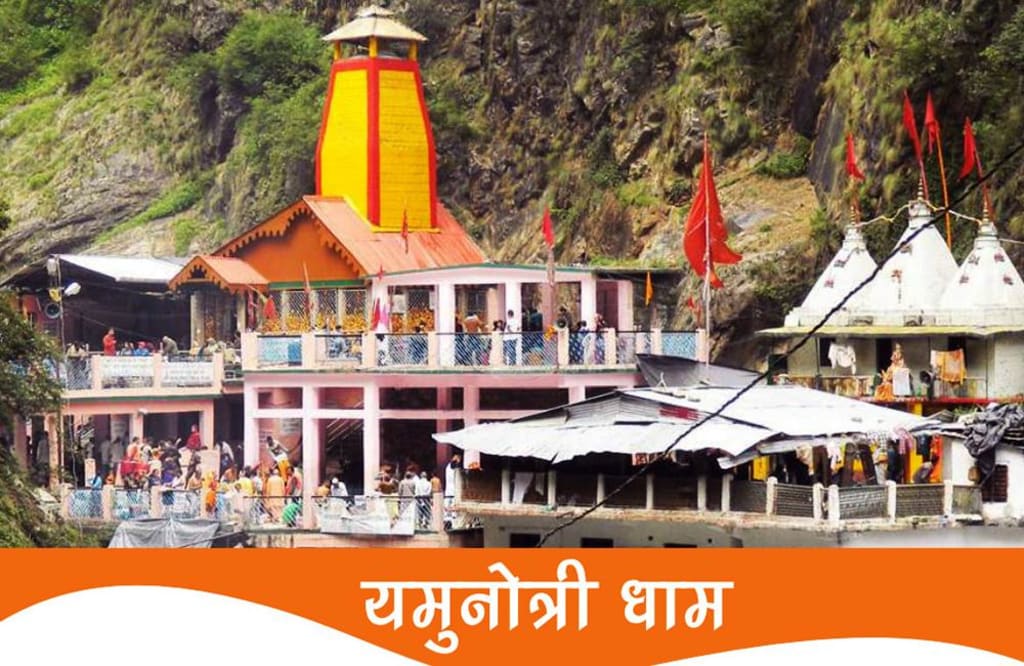
The Yamunotri Yatra holds a special place in the hearts of Hindu pilgrims as it marks the starting point of the sacred Char Dham Yatra in Uttarakhand. Dedicated to Goddess Yamuna, Yamunotri Temple is nestled in the Garhwal Himalayas at an altitude of 3,293 meters.
If you are planning a spiritual journey from Delhi to Yamunotri, this detailed guide covers everything — from how to reach, best travel tips, ideal itinerary, and important information to make your trip smooth and memorable.
Why Visit Yamunotri?
The Yamunotri Temple is not just a place of worship — it is where faith meets nature. Pilgrims undertake a challenging trek to seek blessings from Goddess Yamuna, the goddess who is believed to cleanse all sins and protect devotees from untimely death.
The journey offers spectacular views of snow-clad peaks, lush meadows, hot water springs, and the holy Yamuna River's origin.
How to Reach Yamunotri from Delhi
By Road:
Distance: Approximately 450 km
Route: Delhi → Haridwar → Dehradun → Barkot → Janki Chatti → Yamunotri
Mode: Private car, bus, or taxi
Time: Around 10–12 hours to Barkot, plus trekking time
By Train:
Nearest station: Dehradun (approx. 175 km from Janki Chatti)
From Dehradun, you can hire taxis or take a bus to Barkot.
By Air:
Nearest airport: Jolly Grant Airport, Dehradun
From there, drive towards Barkot or Janki Chatti.
Note:
The motorable road ends at Janki Chatti. From there, it’s a 5–6 km trek to Yamunotri Temple.
Trek from Janki Chatti to Yamunotri
Distance: 5–6 km (one way)
Difficulty: Moderate
Options: You can trek on foot, hire a pony, palki, or even a helicopter service (for Char Dham pilgrims).
Trek Highlights: Lush valleys, waterfalls, the thermal springs at Yamunotri (Surya Kund), and the thrill of high-altitude walking.
Best Time to Visit Yamunotri
Opening Date: Usually opens in April or May on Akshaya Tritiya.
Closing Date: Closes on Bhai Dooj (October/November).
Ideal Months:
May to June
September to October
Avoid:
Monsoon season (July to August) due to heavy rainfall and landslides.
Travel Tips for Yamunotri Yatra
Start Early: Trekking is safer and more enjoyable in the early morning.
Clothing: Carry warm clothes, even during summer. The weather is unpredictable.
Footwear: Wear good quality trekking shoes with grip.
Health: Carry basic medicines, stay hydrated, and avoid heavy meals before trekking.
Cash: ATMs are available in major towns like Barkot; carry cash for small expenses beyond that.
Local Customs: Dress modestly and respect temple rituals and the environment.
Accommodation: Options are available at Barkot, Janki Chatti, and Hanuman Chatti (ranging from budget to mid-range hotels).
Suggested Itinerary: Yamunotri Yatra from Delhi
Day 1: Delhi to Barkot (Drive, 8-10 hours)
Day 2: Barkot to Janki Chatti (Drive), Trek to Yamunotri, Darshan and back to Janki Chatti/Barkot
Day 3: Barkot to Delhi (Drive)
Optional: Stay an extra day at Barkot to explore local attractions like Kempty Falls, Lakhamandal, and local villages.
Key Attractions Near Yamunotri
Surya Kund: A hot water spring where devotees cook rice tied in cloth, which is later offered at the temple.
Divya Shila: A sacred stone that pilgrims worship before entering the temple.
Yamuna River: The serene river begins its journey here, symbolizing purity and vitality.
Conclusion
The Yamunotri Yatra from Delhi is a perfect blend of devotion, adventure, and nature’s beauty. Whether you are beginning your Char Dham Yatra or seeking a spiritually fulfilling trek, Yamunotri offers peace, blessings, and unforgettable memories.
With proper planning, a little preparation, and a lot of faith, your journey to the source of the holy Yamuna will be truly divine!
About the Creator
Chardham Tour
We are an approved Chardham Tour operator in Haridwar. Browse and find the best tour packages for Chardham Yatra 2023 at the most affordable prices now.
Contact Details,
Phone: +91-7838908606
Email: [email protected]
Keep reading
More stories from writers in Lifehack and other communities.
Is Maybank Replacing MAE? A Long‑Time User’s Honest Take
Ever feel like every time you finally get comfy with a banking app… they kill it and “upgrade” you into chaos? That’s exactly the fear bubbling up now with Maybank planning a new app that might replace MAE—and honestly, you’re not crazy for feeling uneasy about it.
By Anie the Candid Writer Abroad7 days ago in Lifehack
🅼🅸🅳🅽🅸🅶🅷🆃 🆂🅽🅰🅲🅺🆂
"It's 10 in Tuscon! We all know what that means... It's Time for Midnight Snacks with your man, Gerald Gee! Ready to spend the night together? Me too! I'm full of snacks and can't wait to regurgitate them all back into your hungry ears. Crack a brew! Pop some corn! Anything to get ready for one hell of a show where the talk maybe cheap but the words cut deep...
By Lamar Wiggins5 days ago in Fiction




Comments
There are no comments for this story
Be the first to respond and start the conversation.