
Wooden dining tables
The heart of home interior design
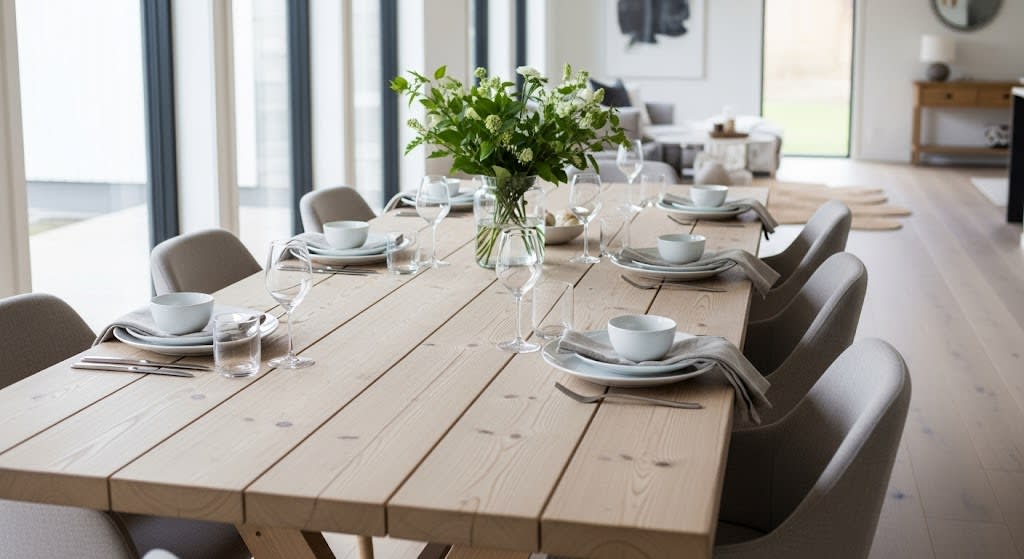
Wood has remained a fundamental material in furniture making throughout history, with dining tables holding special importance in home spaces. The wooden dining table functions beyond a mere surface for meals; it establishes a central element that shapes the entire feeling of dining areas and living spaces. From deep mahogany to pale oak, the diverse tones and distinctive grains found in wooden tables create countless design possibilities that work with many interior styles. When matched with modern chairs for material contrast or surrounded by coordinating wooden seats for harmony, these tables introduce warmth, personality, and natural components into contemporary homes while linking spaces to craftsman traditions and family mealtimes.
Selecting the perfect wooden dining table for your space
Finding the right wooden dining table requires consideration of both practical needs and design preferences. Room dimensions play a crucial role in determining appropriate table size - a spacious dining room accommodates larger rectangular or oval tables, while compact areas benefit from round or square designs that maximize seating without overwhelming the space. The table's shape influences how people interact during meals, with round tables fostering conversation and rectangular ones offering clear seating hierarchies. Beyond size considerations, the wood species dramatically affects both appearance and durability. Oak delivers exceptional strength with prominent grain patterns, making it suitable for busy households. Walnut presents deeper, chocolate-brown tones that create sophisticated dining environments. Cherry wood starts with lighter hues that mature into rich reddish-brown shades over time, adding evolving character to dining spaces.
The table base design contributes significantly to both functionality and style statement. Pedestal bases maximize leg room and seating flexibility while creating a more formal impression. Four-legged traditional designs provide stability and timeless appeal, working particularly well in heritage-inspired interiors. Trestle configurations, with their central support beam and end supports, accommodate more guests by eliminating corner legs. When examining construction quality, look for solid wood components rather than veneers for longevity, though high-quality veneers can offer beautiful grain patterns at lower price points. Joinery methods reveal craftsmanship level - mortise-and-tenon or dovetail joints indicate superior construction compared to simple screws or nails. The finish applied to the wood not only determines color but also affects protection level and maintenance requirements, with hand-rubbed oil finishes highlighting natural grain beauty while polyurethane coatings provide greater spill resistance.
For families with young children or households that entertain frequently, durability features become rather important. A beautiful oak table distressed finishes or naturally marked woods like hickory disguise inevitable scratches and dents from daily use. Extendable tables with leaf inserts offer versatility for accommodating different gathering sizes without permanently sacrificing space. The thickness of the tabletop indicates quality and stability - substantial tops measuring 1-2 inches provide impressive presence and resist warping over time. When selecting your wooden dining table, consider how it will age - quality hardwood develops a patina through years of use, often becoming more beautiful with age unlike manufactured alternatives.
Pairing chairs and accessories with wooden dining tables
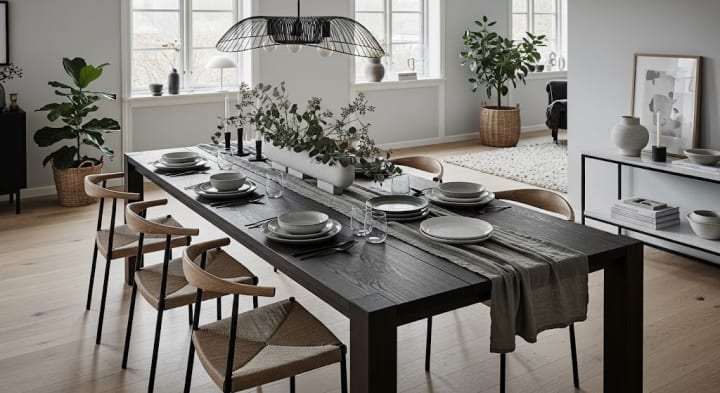
The relationship between dining chairs and wooden tables creates fundamental design harmony in eating spaces. Contrasting materials often produce striking visual impact - metal chairs alongside wooden tables introduce industrial elements, while upholstered seating adds textural softness against wood's natural hardness. Color coordination between chairs and tables requires thoughtful balance. Matching wood tones creates cohesive, traditional atmospheres, while deliberately mismatched chairs in complementary colors introduce playful, eclectic energy to dining areas.
Chair height and proportions must align properly with table dimensions for comfort - standard dining tables measure 28-30 inches tall, requiring chairs with 17-19 inch seat heights for proper knee clearance and ergonomic dining positions. Bench seating offers an alternative to conventional chairs, maximizing capacity for family gatherings while creating casual, communal dining experiences. A wooden bench matched to table material establishes visual continuity, whereas upholstered bench seating introduces comfort and color opportunities. Mixed seating arrangements - perhaps host chairs at table ends with simpler side chairs - create visual hierarchy and design interest.
Beyond seating choices, table accessories profoundly influence the dining environment. Table runners provide color without hiding beautiful wood grain, while placemats protect surfaces while establishing individual dining zones. Centerpiece selections should respond to table shape and size. Long rectangular tables support linear arrangements of candles, low floral displays or fruit bowls, while round tables benefit from single, central focal points.
Lighting fixtures suspended above dining tables dramatically shape mood and functionality. Pendant lights with warm-toned bulbs enhance wood's natural warmth, while chandeliers introduce formality to dining experiences. The height relationship between lighting and table surface critically affects both practicality and atmosphere - fixtures typically hang 30-36 inches above table surfaces, though higher ceilings may require adjustments to this standard. A large lamp often goes well with a big plank table, which smaller lamps are better with smaller tables.
Integrating wooden dining tables into different interior styles
Wooden dining tables possess remarkable adaptability across interior design approaches. In minimalist spaces, tables with clean lines and light woods like maple or ash complement the restrained aesthetic. These spaces benefit from tables featuring simple silhouettes without ornate detailing, allowing the natural wood grain to provide subtle visual interest without disrupting the minimal environment. The warmth of wood counterbalances the coolness often present in minimalist color schemes, creating necessary balance.
For industrial-inspired interiors, reclaimed wood dining tables with metal accents create perfect stylistic bridges. These spaces celebrate the combination of raw materials, with wooden tables often featuring exposed joinery, visible knots, and preserved imperfections that tell stories of previous uses. Tables incorporating metal bases or structural elements particularly shine in these environments, creating material dialogue with exposed brick, concrete floors, or visible ductwork commonly found in industrial spaces.
Farmhouse and rustic interiors embrace wooden dining tables as central design elements. Trestle tables with substantial proportions and visible woodworking details evoke agricultural traditions and craftsmanship heritage. Distressed finishes or naturally aged woods enhance authenticity in these settings. Woods like pine, oak, or barnwood—with their prominent grain patterns and characterful imperfections—reinforce the honest, unpretentious qualities central to rustic design philosophies.
Mid-century modern interiors pair beautifully with wooden dining tables featuring tapered legs, organic shapes, and woods like teak or walnut. The clean lines and natural materials of these tables echo mid-century design principles that valued function, form, and connection to nature. Tables with subtle curves or softened edges reflect the organic modernism characteristic of this period.
Contemporary luxury spaces utilize wooden dining tables with dramatic grain patterns or unusual wood species as statement pieces. Exotic woods like zebrawood or bubinga create visual drama through distinctive figuring. High-gloss finishes amplify the wood's natural beauty while adding reflective qualities that enhance light play throughout dining spaces.
Creating dining spaces around wooden tables
The placement of a wooden dining table within a room significantly impacts both functionality and visual flow. In open-concept layouts, the table's position helps define the dining zone without physical walls. Positioning the table on an area rug creates a visual boundary that separates dining activities from surrounding spaces. The rug should extend at least 24 inches beyond table edges to accommodate chairs when pulled out. Consider traffic patterns when determining table placement – allow 36-48 inches between the table edge and walls or other furniture pieces to enable comfortable movement around the dining area.
Natural light interaction with wooden tables creates dynamic dining experiences throughout the day. South-facing windows bathe tables in warm light that highlights wood grain, while north-facing light provides consistent, even illumination that minimizes seasonal variations. East-facing morning light brings out warm undertones in woods like cherry or mahogany.
The walls surrounding dining tables provide contextual background for the wood's natural beauty. Wall colors that complement rather than compete with wood tones create harmonious dining environments. Warm-toned woods like cherry or mahogany pair well with cool wall colors like sage green or slate blue, creating balanced contrast. Lighter woods such as maple or ash can handle deeper wall colors without being visually overwhelmed. Consider the wood's undertones when selecting paint – red-toned woods like cherry respond differently to wall colors than yellow-undertoned woods like oak.
Room proportions influence appropriate table sizing and orientation. Long, narrow rooms benefit from rectangular tables positioned parallel to the longer walls, while square rooms accommodate round tables that soften angular architecture. In smaller spaces, drop-leaf or extendable tables provide flexibility without permanent space commitments.
Storage elements near dining tables enhance functionality while completing the design composition. Sideboards or buffets in coordinating woods provide serving space and storage while reinforcing the design language established by the table. Display cabinets or hutches offer opportunities to showcase tableware while introducing vertical elements that balance the horizontal plane of the dining table.
Wooden dining tables function as both practical necessities and design anchors within home interiors. Their material qualities bring natural warmth and character impossible to replicate with synthetic alternatives. The versatility of wooden tables allows them to adapt across design styles from rustic farmhouse to sleek contemporary, making them remarkably adaptable design elements. The relationship between table and surrounding elements—chairs, lighting, wall colors, and accessories—creates complete dining environments that reflect personal style while maintaining functionality.
The choice of wood species, construction methods, and finish treatments determines not just appearance but also how the table will perform and evolve through years of use. Quality wooden tables develop distinctive patinas that record family histories through subtle marks and color changes, connecting daily meals to broader life narratives. As interior design continues evolving, wooden dining tables remain relevant through their adaptability, sustainability, and inherent connection to craft traditions. They bridge practical needs with design aspirations, creating spaces where both beautiful meals and meaningful connections flourish naturally.
About the Creator
Keep reading
More stories from Sommersang and writers in Lifehack and other communities.
DIY Kitchen Renovation
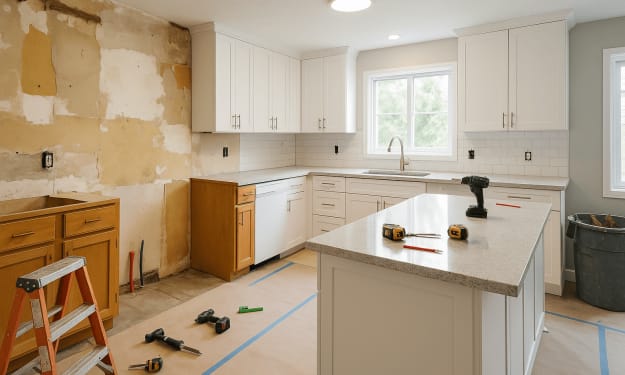
Kitchen renovation stands as one of the most rewarding home improvement projects you can tackle yourself. When you renovate your kitchen with your own hands, you not only save substantial money but also gain complete control over the transformation process. Many homeowners feel intimidated by the scope of kitchen renovation, yet breaking it down into manageable steps makes it entirely achievable. From replacing cabinet doors to installing new countertops, DIY kitchen projects can dramatically change your home's functionality and appearance. To make it easy for you, it's often a good idea to buy all from one place instead of finding 5-6 different stores to save a bucks. Companies like Møller & Mammen provides everything needed for kitchen renovation enthusiasts - from quality materials to specialized tools that make the job easier. Their comprehensive selection helps even beginners achieve professional-looking results. With proper planning, realistic timelines, and the right resources, your DIY kitchen renovation can deliver stunning results that reflect your personal style while building valuable skills you'll use for years to come.
By Sommersang9 months ago in Lifehack
5 Best AI Tools for Women
A modern woman's life is full of tasks. We need to balance work, home, family, friends, and personal care. But with only 24 hours in a day, we often struggle to find time for our favorite activities because we need to plan what to cook for dinner or make a shopping list for the week. It can all feel overwhelming, but the load can be made lighter with the help of AI, as many of our daily tasks can be delegated to various AI assistants. What apps can help you spend more time on yourself? Read on to find out.
By Lesya Chumakabout 21 hours ago in Lifehack
The BAFTA Awards
By now, in a stunning departure from recent years, most of the world is aware of what happened at the BAFTA film awards. Social Media Headlines will tell you the bare bones: that John Davidson, a Tourette's Syndrome advocate, shouted a racial slur at two Actors of Colour, Michael B Jordan and Delroy Lindo.
By Natasja Rose3 days ago in Psyche


Comments