
Winter Plumbing Checklist
What You Should (and Shouldn’t) Do Before the First Freeze

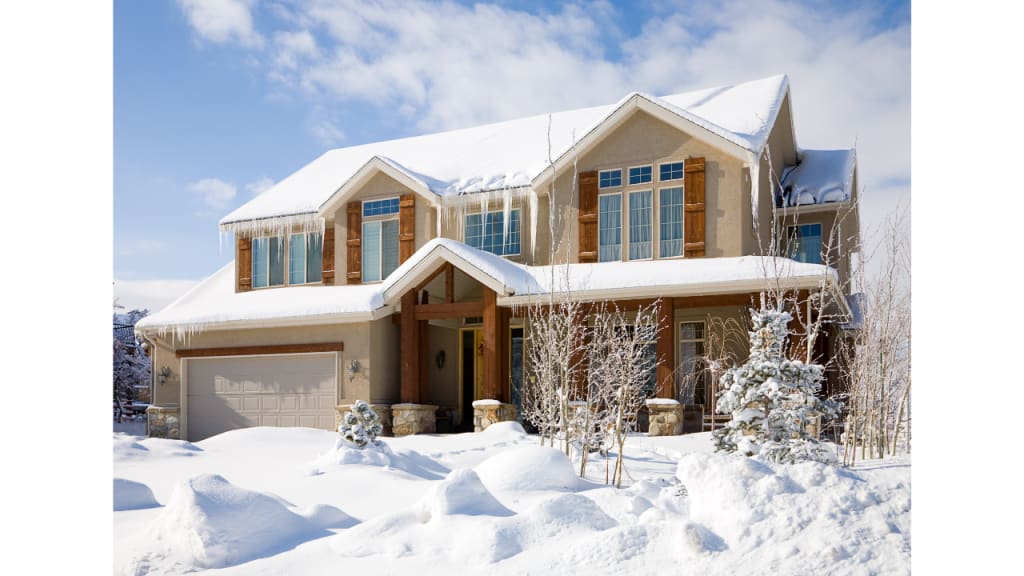
The onset of winter often brings a picturesque blanket of snow and a crispness to the air, but beneath the beauty lies a significant threat to one of the most vital and often overlooked systems in your home: your plumbing. When temperatures plummet below freezing, water expands, turning your home’s copper, PEX, or PVC pipes into ticking time bombs. A burst pipe is not just an inconvenience; it can lead to thousands of dollars in water damage, mold remediation, and extensive structural issues. Taking proactive steps now is the only real defense against this costly scenario. The few hours you spend preparing your home’s water lines can save you weeks of stress and a hefty bill for emergency plumbing repair. This comprehensive guide details the essential precautions every homeowner must take to safeguard their water system, along with critical mistakes you should actively avoid, ensuring your pipes remain intact until spring’s thaw.
The most immediate danger zone is anything exposed to the elements, and this is where preparation must begin. Your outdoor spigots, also known as hose bibs, are the first items on the winterization roster. What you should do is simple: disconnect all garden hoses from the spigots. Leaving a hose attached, even a frost-proof one, traps water within the spigot itself, rendering its cold-weather design useless. That trapped water will freeze, expand, and crack the spigot or the pipe leading to it inside the wall. After disconnecting the hose, you should locate the interior shut-off valve for each outdoor spigot, typically found in the basement or near the water heater. Turn this valve off completely. Once the water supply to the exterior line is cut, open the outdoor spigot to allow any residual water to drain out. This action effectively de-pressurizes the line and empties it, creating an air space where expansion cannot occur. Many homeowners stop here, which is a critical oversight. What you shouldn't do is forget to close the outdoor spigot after it has drained; leave it slightly open to allow any remaining moisture to evaporate. Finally, for an extra layer of protection, you should consider installing an insulated spigot cover, which costs very little and provides a thermal barrier against extreme cold.
Beyond the hose bibs, any other exterior water features or delivery systems demand attention. If your home includes a sprinkler or irrigation system, professional winterization is mandatory, not optional. What you should do is hire a plumbing technician to perform a blowout. This specialized process uses an air compressor to force all water out of the entire network of underground lines, valves, and sprinkler heads. Simply turning off the main supply is insufficient, as standing water will remain in the lines and cause them to fracture deep beneath the soil, leading to an expensive excavation and fix in the spring. What you shouldn't do is attempt to use a standard home air compressor for this task, as the pressure differential is often incorrect, risking damage to the system’s internal components. Similarly, if your property has a separate water meter or backflow prevention device located outside or in a pit, you should ensure it is insulated with a protective cover or burial material. These devices are complex and particularly vulnerable to freezing.
Turning attention indoors, the most susceptible pipes are those located in unheated or poorly insulated areas of the home. This includes pipes running through crawl spaces, attics, garages, kitchen cabinets against exterior walls, and along the perimeter of the foundation. What you should do is use pipe insulation, such as foam pipe sleeves or fiberglass wrapping, to cover every exposed length of pipe in these areas. This insulation does not generate heat; rather, it slows the transfer of heat from the water inside the pipe to the cold air outside. For high-risk, chronically freezing pipes, you should install electric heat tape or cable, which plugs into an outlet and provides a gentle, consistent warmth. Be sure to follow the manufacturer’s instructions carefully when applying heat tape, as improper installation can be a fire hazard. What you shouldn't do is assume that simply keeping the main living area warm is enough; the temperature in a crawl space can be dramatically lower than the air temperature upstairs, requiring specific and targeted insulation efforts.
Inside the heated envelope of the house, there are still steps to take. For kitchen and bathroom sinks situated against an exterior wall, the cold wall surface can wick heat away from the pipes inside the cabinet. What you should do on nights when a hard freeze is predicted is open the cabinet doors below these sinks. This allows the warm, conditioned air from the room to circulate around the pipes, raising their temperature enough to prevent freezing. A small amount of circulating air is often the only defense needed. Furthermore, when the temperature dips into the teens, you should consider allowing a pencil-thin stream of water to run from the faucet, particularly overnight. Running water, even at a trickle, has a higher freezing point than standing water, and the constant movement helps prevent ice formation. What you shouldn't do is only open the hot water side; since both the hot and cold lines run in the same vicinity, you should trickle both to protect the entire assembly.
Finally, proper planning for travel and addressing systemic issues are crucial aspects of a comprehensive winter strategy. What you should do if you plan to leave your home for an extended period during the winter is keep your thermostat set to a minimum of 55 degrees Fahrenheit. A lower setting saves pennies on the heating bill but risks thousands in damage. Even at 55 degrees, warm air will penetrate the walls and spaces where pipes are located, offering vital protection. You shouldn't attempt to save money by turning the heat off completely. It is also an opportune time to inspect your basement and utility areas for pre-existing conditions. What you shouldn't do is ignore small leaks. A tiny drip, even one that seems inconsequential, can worsen rapidly under the stress of cold temperatures and pressure changes, turning into a major rupture when you least expect it. Address any dripping faucets or visible corrosion now. Ultimately, a successful winter preparation is a diligent process of elimination, removing every pocket of standing water and insulating every potential cold spot.
Don't wait until the weather forecast forces a last-minute scramble. Winter plumbing preparedness is not a one-time chore; it is an annual ritual that pays for itself the moment the temperature drops below zero. Take charge of your home’s vulnerability today and eliminate the threat of frozen pipes. To ensure every aspect of your system is secure and to get expert installation of insulation or heat tape, contact a certified local plumbing professional for a pre-winter inspection.
About the Creator
Keep reading
More stories from The Weekend Project and writers in Lifehack and other communities.
Hot Water On Your Terms
If you’ve ever stood in a Hutto shower waiting for the water to get warm, only to be rewarded with a minute of heat and a blast of cold, you know how quickly a normal morning can unravel. The truth is, plumbing isn’t supposed to be a daily gamble. Between Central Texas hard water, rare but damaging freezes, and rising utility costs, “set it and forget it” is the most expensive approach you can take. The good news is that a few targeted upgrades, such as a tankless water heater installation in Hutto, coupled with an annual checkup, can transform your plumbing into a quiet system that just works—no drama, no wasted time, and no surprise bills.
By The Weekend Project5 months ago in Lifehack
Boulder: Where Mountains Shape the Rhythm of Everyday Life
At the edge of the Rocky Mountains lies a city where the natural world is never far away. Boulder sits beneath dramatic sandstone formations known as the Flatirons, and their presence defines nearly everything about life here.
By House Doctor5 days ago in Lifehack
Soft Rugs for Bedroom Creating a Cozy and Comfortable Space
Every element in the room should contribute to a calm and inviting atmosphere. One of the easiest ways to enhance both comfort and style in a bedroom is by adding a soft rug. Soft rugs for bedroom spaces not only improve the appearance of the room but also create a warm and comfortable surface that makes daily routines more pleasant.
By Nandini Shukla3 days ago in Lifehack
The BAFTA Awards
By now, in a stunning departure from recent years, most of the world is aware of what happened at the BAFTA film awards. Social Media Headlines will tell you the bare bones: that John Davidson, a Tourette's Syndrome advocate, shouted a racial slur at two Actors of Colour, Michael B Jordan and Delroy Lindo.
By Natasja Rose6 days ago in Psyche



Comments
There are no comments for this story
Be the first to respond and start the conversation.