
Will Illuminated Work Space Really Boost Productivity?
Importance of Illuminated Work Space
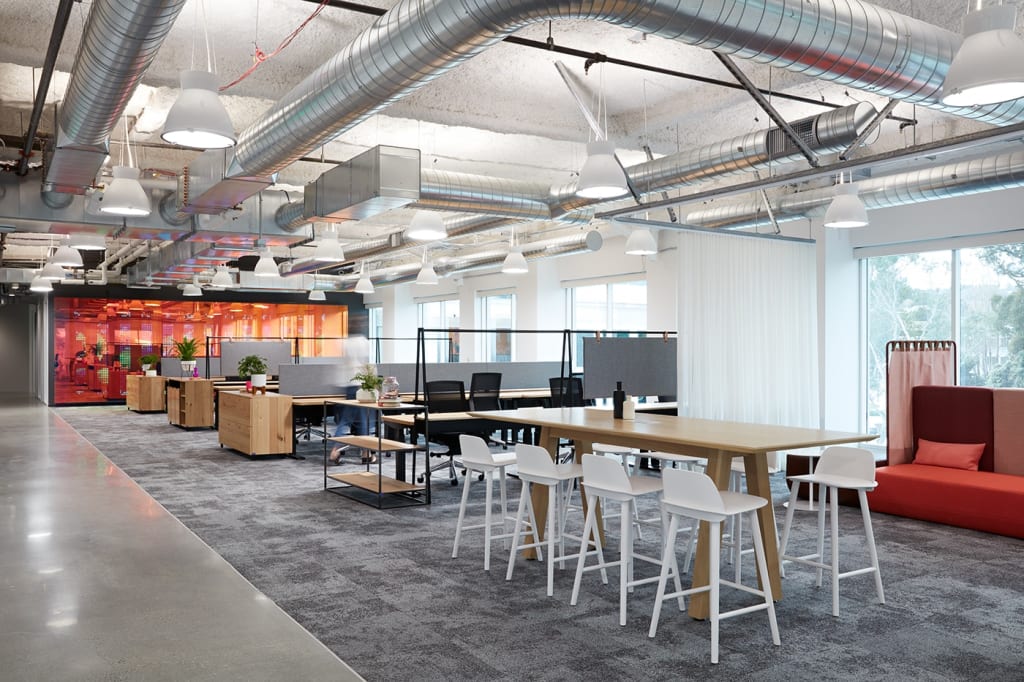
A well-lighted workspace is a crucial factor that significantly impacts productivity, creativity, and overall well-being of individuals in both professional and personal settings. Adequate lighting not only enhances visibility and reduces eye strain but also has a profound impact on the human circadian rhythm, influencing alertness, focus, and mood. In this article, we will explore the various ways in which a well-lit work environment contributes to increased productivity and why organizations and individuals should prioritize optimizing their lighting conditions.
Visual Comfort and Reduced Eye Strain
A well-lighted workspace ensures proper illumination, preventing the strain on the eyes caused by squinting or struggling to see objects clearly. Insufficient lighting can lead to eye fatigue, headaches, and other discomforts, ultimately hindering productivity. Adequate lighting allows employees to work comfortably and efficiently, thereby minimizing the number of breaks needed due to eye-related issues.
2. Enhanced Focus and Concentration
Appropriate lighting plays a pivotal role in enhancing focus and concentration. Studies have shown that natural and bright light positively impacts cognitive performance, increasing attention spans and reducing errors. A well-lit environment keeps employees more alert and engaged in their tasks, resulting in improved work quality and efficiency.
3. Influence on Mood and Well-being
Light has a profound impact on our emotional state and well-being. Exposure to natural light, in particular, triggers the release of serotonin, a neurotransmitter that contributes to feelings of happiness and relaxation. On the other hand, poor lighting, especially in windowless or dimly lit spaces, can lead to feelings of fatigue, irritability, and even depression. By providing a well-lit workspace, employers can foster a more positive and motivated workforce, leading to increased productivity.
4. Regulation of Circadian Rhythm
The human circadian rhythm is deeply influenced by light exposure. Natural light, especially in the morning, helps regulate our internal body clock, promoting wakefulness and alertness during the day. In contrast, exposure to artificial lighting late into the evening can disrupt the circadian rhythm, leading to sleep disturbances and reduced productivity the following day. By incorporating appropriate lighting solutions, organizations can help their employees maintain a healthy circadian rhythm, thereby boosting productivity and overall well-being.
5. Creativity and Innovation
A well-lit workspace can stimulate creativity and innovative thinking. Studies have shown that individuals exposed to bright and warm lighting are more likely to come up with original ideas and think outside the box. Adequate lighting can create a positive and open atmosphere, encouraging employees to collaborate, brainstorm, and explore novel solutions to problems.
6. Increased Alertness and Energy
Proper lighting can significantly impact our energy levels throughout the day. Bright and well-distributed light helps combat the drowsiness often experienced after lunch or during afternoon slumps. By providing an energetically lit workspace, employers can ensure that their employees remain alert and focused, leading to improved productivity during crucial working hours.
7. Reduction in Errors and Accidents
Insufficient lighting can lead to errors and accidents, particularly in industries that require precise work or involve potentially hazardous tasks. Proper illumination reduces the likelihood of mistakes and mishaps, making workspace safer and more efficient. Consequently, employees can work with confidence, knowing that their environment supports their tasks effectively.
8. Employee Health and Well-being
Inadequate lighting can have adverse effects on employees’ physical health. Poor lighting conditions may lead to problems like strained eyes, headaches, neck pain, and posture-related issues. A well-lit workspace helps alleviate such concerns, promoting overall employee health and well-being. Healthy employees are more likely to be present, engaged, and productive in their roles.
9. Boosting Morale and Job Satisfaction
A well-lighted workspace not only boosts productivity but also has a positive impact on employee morale and job satisfaction. A thoughtfully designed and well-lit office space communicates that the employer values its employees’ comfort and welfare. Employees who feel valued and comfortable in their workspace are more likely to be motivated and dedicated to their work, resulting in increased productivity and reduced turnover rates.
Conclusion
In conclusion, the significance of a well-lit workspace cannot be underestimated. The benefits extend beyond improved visibility to include enhanced focus, creativity, and overall well-being. By investing in proper lighting solutions, employers can create an environment that nurtures productivity, innovation, and employee satisfaction. Employees, in turn, are more likely to feel energized, engaged, and committed to their tasks, resulting in a positive cycle of productivity and success for organizations. Whether it is in an office, a studio, or a home workspace, adequate lighting is an essential factor in achieving peak performance and maintaining a healthy work-life balance.
Please follow me to read more content.
About the Creator
Emma Ade
Emma is an accomplished freelance writer with strong passion for investigative storytelling and keen eye for details. Emma has crafted compelling narratives in diverse genres, and continue to explore new ideas to push boundaries.
Top Attractions of the Everest Region: Gokyo Lakes and Ama Dablam Peak
The Everest Region is famous for its majestic mountains, especially the highest peak in the world, but there is much more to explore beyond Everest. There lie pristine and lesser-known gems waiting to be explored with relatively fewer people around.
By Alex Winslowa day ago in Lifehack




Comments
There are no comments for this story
Be the first to respond and start the conversation.