
Why Your Next Bathroom Renovation Should Include Safety-First Fixtures
How safety-first fixtures protect your family without compromising design


Bathroom renovations are often driven by aesthetics. Who doesn’t want sleek tile, modern vanities, or spa-like showers? But one of the most important considerations is frequently overlooked: safety. Because bathrooms combine water, hard surfaces, and frequent movement in tight spaces, they are among the most dangerous rooms in any home. Slips, falls, burns, and accessibility challenges are common, yet many of these risks can be dramatically reduced by incorporating safety-first fixtures during a renovation. Designing with safety in mind does not mean sacrificing style; in fact, today’s safety-focused bathroom fixtures are discreet, attractive, and often add long-term value to a home.
Bathrooms Are High-Risk Spaces
Statistically, bathrooms account for a significant number of household injuries each year, particularly slips and falls. Wet floors, smooth surfaces, and limited space create a perfect storm for accidents. Children, older adults, and individuals with mobility challenges are especially vulnerable, but even healthy adults can suffer serious injuries from a simple misstep. A renovation presents the ideal opportunity to address these risks proactively, rather than reacting after an accident occurs.
Safety-First Fixtures Reduce Slip and Fall Hazards
One of the most critical safety upgrades in a bathroom renovation is slip prevention. Textured or slip-resistant flooring materials provide better traction than traditional polished tile or stone. In showers and tubs, built-in textured surfaces or non-slip coatings can significantly reduce the chance of falling without relying on temporary mats that can shift or mold over time.
Grab bars are another essential safety-first fixture. Once associated only with institutional bathrooms, modern grab bars are now available in stylish finishes and designs that blend seamlessly with contemporary décor. Strategically installed near toilets, tubs, and showers, grab bars provide stability for people of all ages—not just seniors—and can prevent falls before they happen.
Safer Showers and Bathtubs Improve Everyday Usability
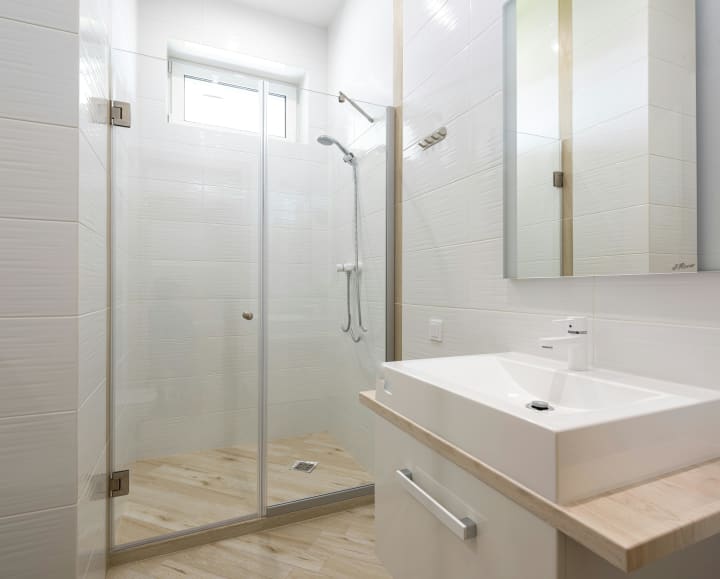
Stepping over a high tub wall is one of the most common causes of bathroom-related accidents. Renovations offer the chance to install walk-in showers or easy-to-enter and exit tubs. The perfect bathtub will reduce tripping hazards and make bathing easier for everyone. Curbless showers, in particular, are increasingly popular because they improve accessibility while also creating a clean, modern aesthetic.
Built-in shower seating is another safety-first feature that adds comfort and practicality. Whether used for shaving, relaxing, or accommodating limited mobility, a sturdy bench or fold-down seat reduces fatigue and minimizes the risk of slipping while standing on wet surfaces.
Temperature Control Fixtures Prevent Burns
Scalding injuries are a serious but often underestimated bathroom hazard. Children and older adults are especially susceptible to burns from sudden changes in water temperature. Anti-scald valves and thermostatic mixing valves are safety-first fixtures that regulate water temperature and pressure, preventing sudden spikes when someone flushes a toilet or uses another faucet in the home.
These fixtures not only protect household members but also enhance comfort by maintaining a consistent water temperature. Including them during a renovation is far more efficient and cost-effective than retrofitting later.
Better Lighting Enhances Visibility and Safety
Poor lighting is to blame for many bathroom accidents. Shadows, glare, and insufficient illumination can make it difficult to see wet floors, steps, or edges clearly. Safety-first bathroom renovations prioritize layered lighting, including ambient, task, and accent lighting, to ensure visibility in all areas.
Motion-activated night lighting or under-vanity lighting is particularly helpful for nighttime bathroom visits, reducing the risk of disorientation and falls. Improved lighting also benefits daily grooming tasks, making the bathroom both safer and more functional.
Accessibility-Focused Fixtures Future-Proof the Home
Even if homeowners are young and healthy, safety-first bathroom fixtures are a form of future-proofing. Aging in place is a growing priority, and renovations that include accessibility-minded features can extend a home’s usability for decades. Comfort-height toilets, lever-style faucets, and wider doorways make bathrooms easier to use for people with limited strength or mobility while remaining comfortable for everyone else.
Importantly, these features do not make a bathroom look “medical.” Many accessibility-focused fixtures are now standard in high-end bathroom design, offering both form and function.
Safety Improvements Increase Home Value
From a resale perspective, safety-first renovations are a smart investment. Homebuyers increasingly look for homes that are move-in ready and adaptable to different life stages. Bathrooms that include walk-in showers, slip-resistant flooring, and modern grab bars appeal to a wider range of buyers, including families with young children and older adults.
Additionally, safety upgrades can reduce liability concerns and signal that the home has been thoughtfully maintained. In competitive real estate markets, these features can help a property stand out.
Safety Does Not Mean Sacrificing Style
One of the biggest misconceptions about safety-first fixtures is that they compromise design. Today’s manufacturers offer a wide range of finishes, shapes, and styles that integrate seamlessly into luxury and modern bathrooms. Grab bars can double as towel racks, slip-resistant flooring can mimic natural stone or wood, and curbless showers are often seen as a premium design choice.
By planning safety features from the beginning of a renovation, homeowners can ensure these elements feel intentional rather than added as an afterthought.
Renovations Are the Best Time to Prioritize Safety
Adding safety features after a bathroom is finished can be expensive and disruptive. Walls may need to be opened to add reinforcement for grab bars, plumbing may need adjustment for anti-scald valves, and flooring may need replacement to improve traction. A renovation provides a clean slate, allowing safety-first fixtures to be installed efficiently and correctly from the start.
This proactive approach saves money in the long run and avoids the stress of emergency modifications following an injury.
Lastly, Safety First
Bathroom renovations should be about more than just visual appeal—they should create a space that is safe, comfortable, and functional for everyone who uses it. Safety-first fixtures reduce the risk of accidents, improve daily usability, and help future-proof the home without sacrificing style. From slip-resistant surfaces and walk-in showers to anti-scald valves and enhanced lighting, these thoughtful upgrades protect occupants and add lasting value. When safety is built into the design from the beginning, a bathroom renovation becomes not only a cosmetic improvement. It’s a meaningful investment in well-being and peace of mind.
About the Creator
Andrew Lemieux
Andrew is a creative writer, poet, and content strategist. He is passionate about literature, food, wine, travel, and sports. In his spare time he enjoys working on home projects and restoring the 1837 Greek Revival he and his wife own.
Keep reading
More stories from Andrew Lemieux and writers in Lifehack and other communities.
Planning a Luxury Bathroom Upgrade? Avoid These Common Mistakes
Most homeowners fantasize about upgrading some part of their home. While the kitchen is usually the room where the most significant statement is made, a luxury bathroom remodel can reinforce the “dream home” atmosphere that homeowners crave. However, choosing the upgrades is more than just a matter of determining which “vibe” makes the most sense. There are practical, structural, and financial considerations to keep in mind for any bathroom renovation. With the rise of homeowners creating makeover content, people are becoming more inspired. Still, it’s also important to be aware of potential mistakes that can happen if certain things are overlooked. Here are some things that can save you time, money, and frustration.
By Andrew Lemieux4 months ago in Lifehack
The Calm Within the Chaos: How Grounding Yourself Can Change Your Life
I know what it feels like to wake up already overwhelmed, as if the day is asking more from you than you have to give. Your phone lights up, your thoughts speed up, and your body tightens before anything has actually gone wrong.
By Anie the Candid Writer Abroad7 days ago in Lifehack
Affection and Healing for Yourself
During the night of the last quarter moon, I gathered my ritual supplies. I carefully handled the chunk of black tourmaline that would protect me from your overall negative and narcissistic energy. I carefully walked the house with my stick of selenite in hand, asking the universe to cleanse our working space.
By Alisha Wilkins ✒️🦋🖋️7 days ago in Fiction




Comments
There are no comments for this story
Be the first to respond and start the conversation.