
Why Your Houseplants Need a Hygrometer
Best Indoor Humidity Levels for Houseplants
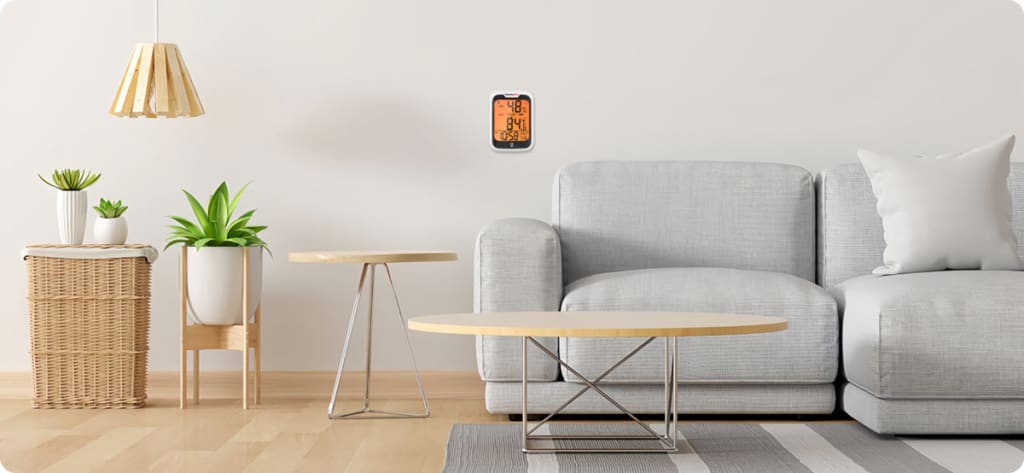
If you’re a proud plant parent, you know that watering and sunlight are only part of the story. To truly help your houseplants thrive, you need to monitor something most people overlook—indoor temperature and humidity. These invisible elements play a huge role in your plant’s health, and the easiest way to track them is with a hygrometer.
In this article, we’ll explain why humidity and temperature matter for your houseplants, how to create the ideal indoor environment, and why the ThermoPro TP358 Bluetooth Indoor Thermometer Hygrometer is a must-have tool for every indoor gardener.
Why Humidity Matters for Houseplants
Plants “breathe” through tiny pores in their leaves. These pores regulate moisture and allow your plant to absorb carbon dioxide. When humidity levels are off, these processes get disrupted, and your plant suffers.
Common Problems Caused by Low Humidity:
- Brown, crispy leaf edges
- Leaf drop or wilting
- Slow growth
- Spider mite infestations (they love dry air)
Common Problems Caused by High Humidity:
- Mold or mildew on leaves or soil
- Root rot from poor evaporation
- Fungal infections
Many popular houseplants—like ferns, calatheas, monstera, and orchids—come from tropical environments where humidity is consistently high. But in the average American home, especially during winter with the heater running, humidity can drop below 30%, far too dry for these species.
What's the Ideal Temperature and Humidity for Houseplants?
Here’s a general guide to help your indoor plants thrive:
- Tropical plants: 65–80°F (18–27°C), 50–70%
- Succulents/cacti: 60–80°F (16–27°C), 30–40%
- Orchids: 65–75°F (18–24°C), 40–60%
- Ferns: 60–75°F (16–24°C), 50–70%
You can’t always “feel” humidity levels just by standing in a room, which is why a digital hygrometer is essential for any plant lover.
Why You Need a Hygrometer (Not Just a Thermometer)
While temperature is important, humidity has an even bigger impact on plant health—especially for tropical and humidity-loving plants. A hygrometer gives you the real-time data you need to adjust your indoor climate.
With a good hygrometer, you can:
- Know when to mist or stop misting your plants
- Decide if a humidifier is needed
- Monitor humidity in specific plant corners or terrariums
- Avoid overwatering caused by poor evaporation
Consistent conditions = healthy plants. And the more accurate your monitoring, the better your plant care decisions will be.
Best Tool for the Job: TP358 Bluetooth Indoor Thermometer Hygrometer
If you’re looking for a reliable, affordable, and easy-to-use device, the ThermoPro TP358 Bluetooth Indoor Thermometer Hygrometer is a fantastic choice for indoor gardeners. Here's why:
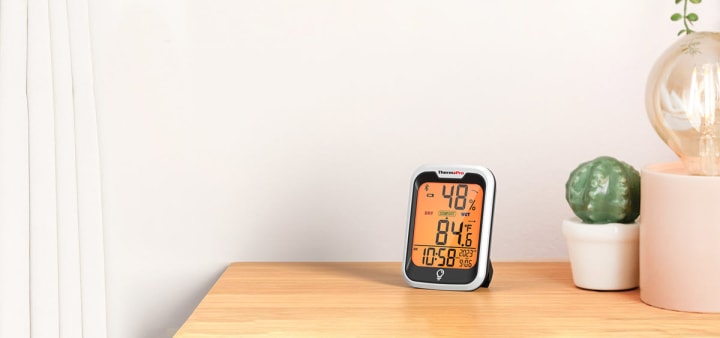
Bluetooth App Tracking
The ThermoPro TP358 syncs with the ThermoPro Sensor App via Bluetooth, letting you monitor your home’s temperature and humidity levels right from your smartphone—no need to constantly check a screen.
Real-Time Alerts
Set up alerts for when humidity or temperature goes outside your preferred range. Whether your monstera is getting too dry or your terrarium is getting too damp, you’ll know instantly.
Data Logging and Graphs
The TP358 stores up to 20 days of data, so you can track long-term trends and patterns. Ever wondered why your plant struggles every afternoon? Now you’ll know.
Accurate Swiss-Made Sensor
This device uses a high-precision Swiss sensor to ensure accurate readings (±0.5°F and ±2% RH). That level of accuracy is crucial when dealing with sensitive plants.
Compact and Discreet
Its sleek and minimalist design fits perfectly next to your plants, inside a greenhouse, or even in a plant cabinet.
Long Battery Life
With low power consumption, the TP358 runs on just one AAA battery and can last over a year without needing a replacement.
How to Use the TP358 for Your Houseplants
1.Place it near your plant zones: Near your ferns, monstera, or propagation station.
2.Check readings daily: Use the app to review temperature and humidity each morning or evening.
3.Set custom alerts: Get notified if levels go out of range for specific plant types.
4.Use a humidifier or fan as needed: Adjust your environment based on the data.
5.Record changes after moving plants or changing pots: You’ll learn which conditions help growth and which harm it.
Simple Tips to Control Indoor Humidity
- Use a humidifier in dry rooms, especially in winter.
- Group plants together to create a microclimate.
- Place plants on a pebble tray with water for natural humidity.
- Avoid overwatering in already humid spaces.
- Use ventilation or fans in high-humidity areas to avoid mold.
Final Thoughts
If you love your plants, don’t leave their environment up to chance. By tracking temperature and humidity with a tool like the TP358 Bluetooth Indoor Thermometer Hygrometer, you can create the perfect conditions for your leafy friends to thrive.
Think of it as a simple but powerful upgrade to your plant-care routine. Your plants will thank you—with lush, vibrant growth.
About the Creator
Keep reading
More stories from Amanda Gan and writers in Lifehack and other communities.
Summer BBQ Must-Haves: Gear Up for the Perfect Grill Season
There's something magical about summer—long sunny afternoons, the smell of food sizzling over hot coals, and the laughter of friends and family gathered in the backyard. Few things say "summer" quite like a great BBQ. But let's be honest: even the best pitmaster needs the right tools to make every cookout memorable.
By Amanda Gan8 months ago in Lifehack
5 Simple Lifehacks to Keep Your Teeth Healthy Every Day
Healthy teeth aren’t just about occasional dental visits—they’re shaped by the little choices you make every day. Simple habits, when done consistently, can prevent cavities, gum issues, sensitivity, and other oral concerns while keeping your smile bright and comfortable. These lifehacks are easy to integrate into your routine and don’t require drastic lifestyle changes.
By Smile Sydney7 days ago in Lifehack
Bomb Scare
It was 2027, and the world never thought it would happen. A missle hit the United States, but it wasn't where they had anticipated. A little town in the northeast was hit by a missile strike, they didn't know why, and they didn't know exactly where it hit, but they did know it was a coastal community, somewhere between Maine and Delaware.
By Gregory Payton5 days ago in Fiction




Comments
There are no comments for this story
Be the first to respond and start the conversation.