
Why the Mediterranean Diet is Considered the World's Healthiest Eating Plan
Mediterranean Diet best way to weight loss

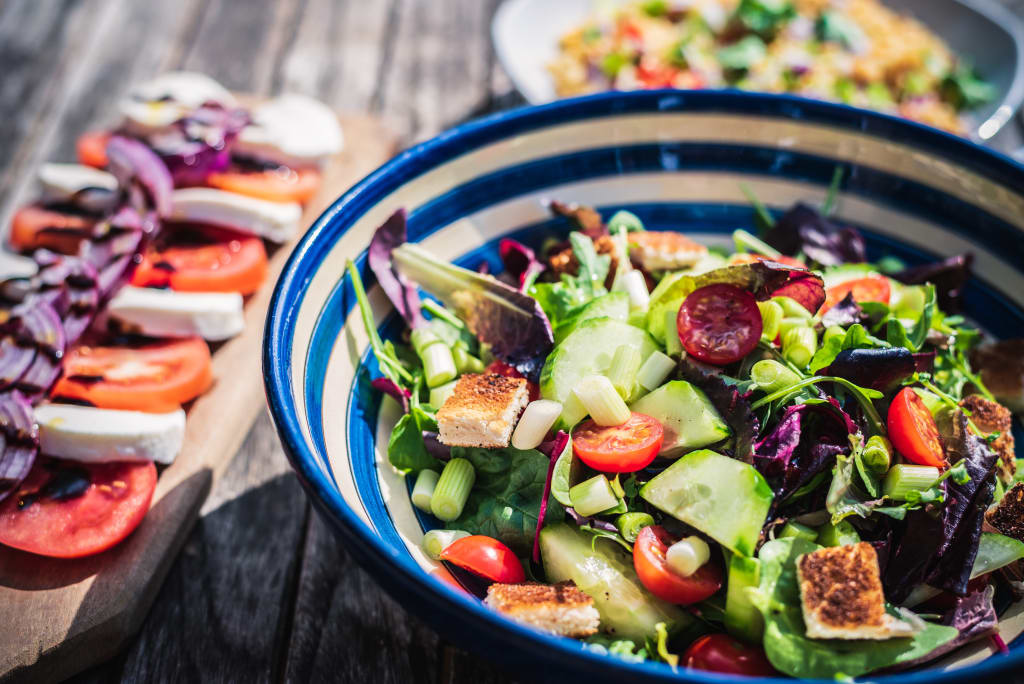
The Mediterranean diet is a traditional way of eating that originated in countries surrounding the Mediterranean Sea, such as Greece, Italy, and Spain. This diet is characterized by a high intake of fruits, vegetables, whole grains, legumes, and healthy fats, such as olive oil. Fish, poultry, and dairy products are also consumed in moderation, while red meat and processed foods are consumed infrequently.
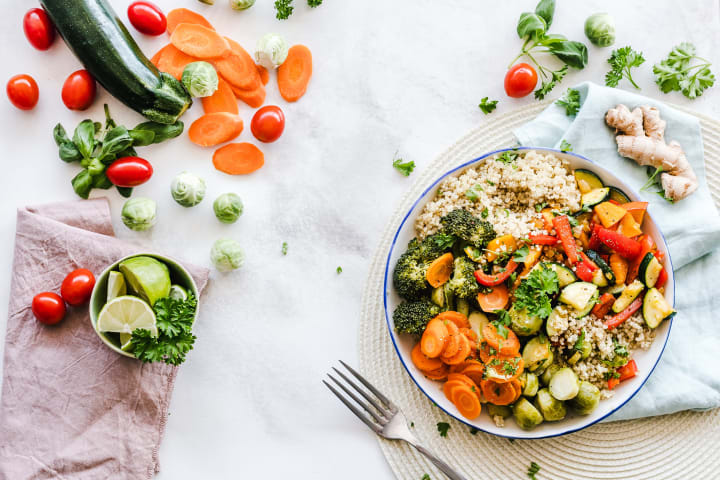
The use of olive oil as the main source of fat is one of the main features of the Mediterranean diet. It has been demonstrated that olive oil's high content of monounsaturated fats lowers the risk of heart disease. Antioxidants and anti-inflammatory compounds are also abundant in the Mediterranean diet, which may contribute to its health benefit.
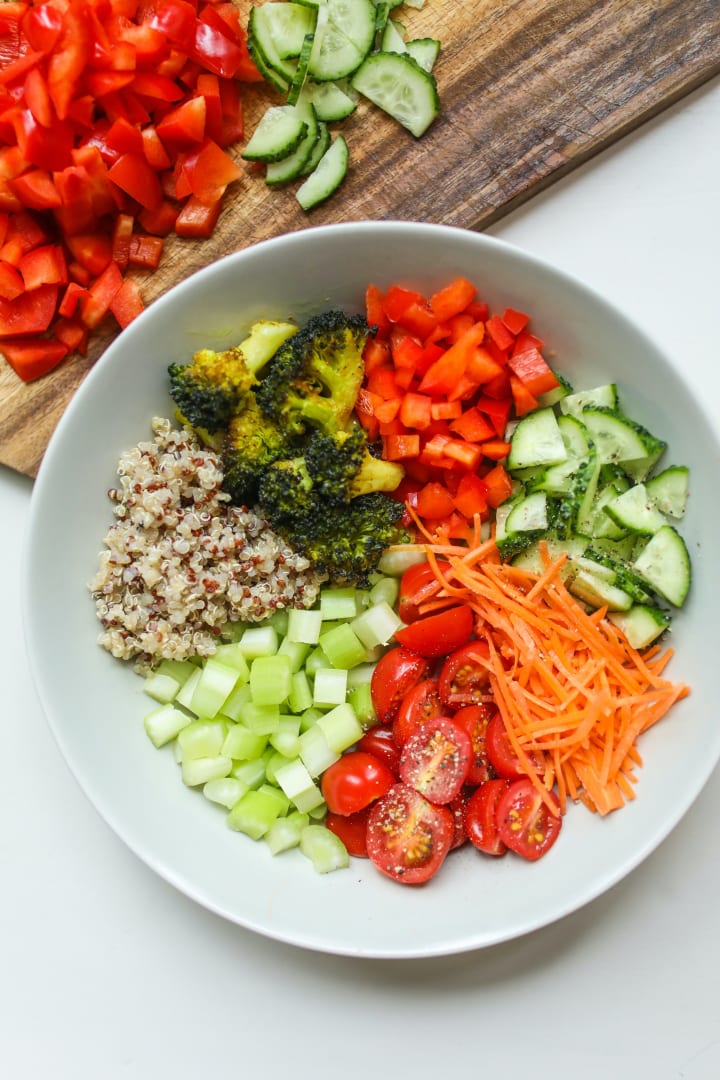
The Mediterranean diet has been shown to lower the risk of heart disease, stroke, and some types of cancer, according to studies. Additionally, it may increase longevity overall, lower the risk of Alzheimer's disease, and improve cognitive function. The diet may also help control weight and diabetes, as well as improve mental well-being and health.
One possible explanation for the health benefits of the Mediterranean diet is the high intake of fruits and vegetables. These foods are rich in vitamins, minerals, and phytochemicals, which can help to protect against chronic diseases. Whole grains, legumes, and nuts also provide important nutrients and fiber, which can help to lower cholesterol and improve blood sugar control.
The consumption of fish and seafood, both of which are high in omega-3 fatty acids, is also a major component of the Mediterranean diet. It has been demonstrated that these essential fatty acids have anti-inflammatory properties and are beneficial to heart health. In moderation, dairy products, eggs, and poultry are also important sources of protein and calcium.

It is important to note that the Mediterranean diet is more of a way of life than a strict diet, and it can be adapted to suit different cultures and preferences. The Mediterranean diet emphasizes eating a variety of nutrient-dense foods in appropriate quantities rather than counting calories or limiting portion sizes. The Mediterranean diet encourages eating with friends and family, taking the time to savor the food, and getting active.
The Mediterranean diet is considered a healthy and sustainable way of eating, and it's recommended by many health organizations, including the American Heart Association and the World Health Organization. It's also relatively easy to follow and can be adapted to suit individual preferences and dietary restrictions.
To follow the Mediterranean diet, it is recommended to:
focus on fruits, more vegetables, whole grains, legumes, and nuts
eat fish, poultry, and dairy products in moderation.

use olive oil as main source of fat.
limit red meat, processed foods, and added sugars.
engage in physical activity and enjoy meals with friends and family.

The downside of the Mediterranean is since the Mediterranean diet does not put a big emphasis on dairy products, it’s important to make sure you still get enough calcium and vitamin D in your diet.
Overall, the Mediterranean diet is a balanced and nutritious way of eating that can provide many health benefits. By incorporating the principles of the Mediterranean diet into your daily routine, you can improve your overall health and well-being.
About the Creator
Abdul Kader
I am a certified fitness coach with a passion for helping people lead healthier, happier lives. With 10 years of experience in the fitness industry, I have a wealth of knowledge and expertise to offer my clients.
Keep reading
More stories from Abdul Kader and writers in Lifehack and other communities.
Creating a Balanced and Nutritious Meal Plan: A Complete Guide
The balanced and nutritional meal plan is essential for maintaining overall health and well-being. A well-designed meal plan can help to insure that your body is getting the essential vitamins, minerals, and other nutrients it needs to serve duly. In this companion, we will bandy the crucial factors of a healthy meal plan, as well as provide tips and strategies for planning and preparing nutritional meals.
By Abdul Kader3 years ago in Lifehack
I Upgraded My Phone for Speed
When I upgraded my phone last year, speed was the main reason. Faster processor, smoother animations, quicker app launches—all the usual promises. On paper, it was a clear step forward. And technically, it was. Everything moved faster.
By abualyaanarta day ago in Lifehack
Thoughts on Vocal and the way the world is
"Death cannot stop true love, only delay it." – Wesley in The Princess Bride. I decided to come back to Vocal on a very cold and dark night at the end of December. I had been, and still am, convalescing from a horrible staph infection that had gone misdiagnosed for months. This, paired with the increasing challenges of being healthy, making the best choices for my co-parented child, being a wife, and being a director at a new job, was a lot to manage.
By Jazzy 5 days ago in Confessions


Comments
There are no comments for this story
Be the first to respond and start the conversation.