
Why Skilled Roofers Recommend Optimized Roof Ventilation
Critical insights from professional roofers for ensuring energy-efficient and durable roofs
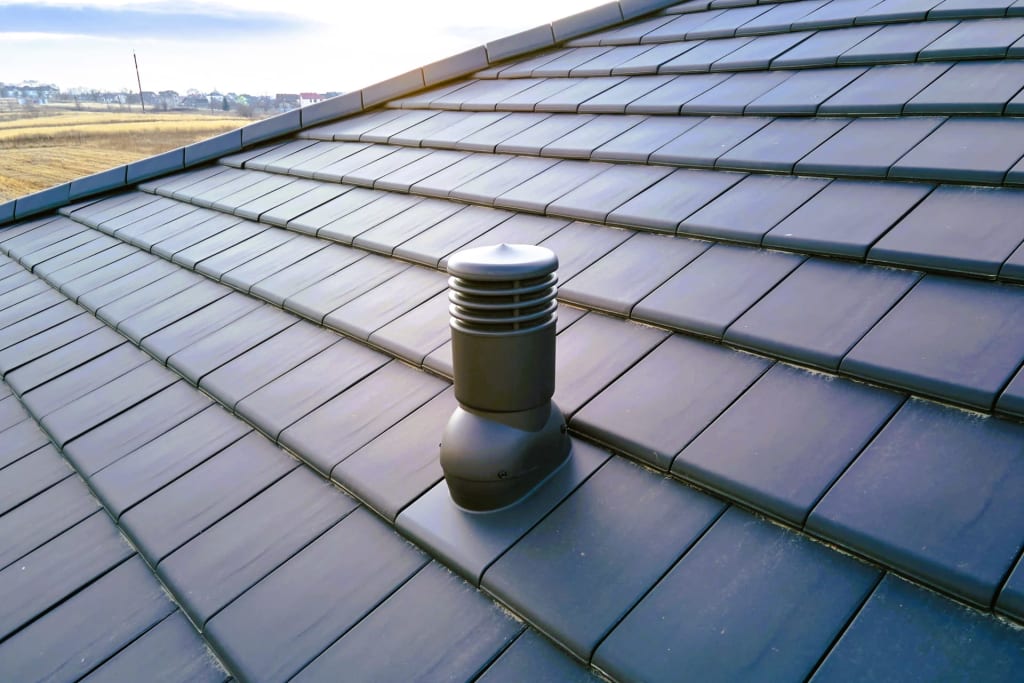
A roof functions as much more than a barrier against harsh elements; it is essential in managing a home’s energy use and protecting its structural components. Effective roof ventilation serves as a key contributor to this balance, yet it is frequently overlooked by homeowners. Professional roofers consistently highlight the value of proper ventilation in preventing costly damage, reducing energy consumption, and maximizing roof longevity. Learning how ventilation systems operate and why they matter provides homeowners with the knowledge to maintain their roofs and save money in the long term.
How roof ventilation systems work effectively
Roof ventilation systems operate by creating a steady airflow that removes excess heat and moisture from the attic. Skilled roofers often emphasize this concept to homeowners, explaining that balanced ventilation prevents many common roofing issues. For instance, an inspection once revealed severe attic heat due to blocked vents, which accelerated shingle wear and increased energy costs.
- Intake vents: Usually located along the soffits, these allow cooler air to flow into the attic.
- Exhaust vents: Positioned at the roof’s peak, these release hot and humid air, maintaining temperature balance.
- Continuous air circulation: Proper alignment of intake and exhaust vents ensures effective moisture control and reduces thermal stress.
This systematic design protects the roof and contributes to a more energy-efficient home.
Identifying problems caused by poor ventilation
Poor ventilation can result in a range of problems that compromise the roof’s performance and the home’s comfort. Roofers frequently spot these issues during routine evaluations, giving homeowners the opportunity to address them early. One case involved a homeowner whose attic showed significant mold growth due to a lack of airflow and insulation obstructions.
- Higher utility bills: Ineffective ventilation forces HVAC systems to work harder, leading to increased energy expenses.
- Mold and mildew: Excessive moisture trapped in the attic promotes fungal growth and poor indoor air quality.
- Degraded roofing materials: Shingles and underlayment can warp or crack when exposed to persistent heat and humidity.
The U.S. Department of Energy reports that resolving ventilation issues can improve energy efficiency and lower maintenance costs.
Protecting the roof through adequate ventilation
Good ventilation does more than enhance a home’s efficiency—it safeguards the roof from long-term damage. Roofers often highlight how maintaining airflow prevents structural deterioration and extends the roof’s lifespan. Without proper ventilation, condensation can accumulate, leading to issues such as rotting wood and weakened insulation.
- Eliminates moisture buildup: Adequate airflow prevents condensation, reducing the risk of mold and water damage.
- Relieves thermal pressure: Balanced ventilation minimizes the strain caused by extreme temperature fluctuations on roofing materials.
- Prevents ice dams: In cold climates, effective ventilation keeps attic temperatures stable, preventing uneven snowmelt that leads to ice dams.
These benefits illustrate why ventilation is a critical focus for professional roofers during maintenance and upgrades.
Benefits of achieving proper roof ventilation
Optimized roof ventilation offers extensive benefits that go beyond energy savings. Roofers often explain how a well-ventilated attic enhances indoor air quality, decreases strain on heating and cooling systems, and protects the home’s structural integrity. For example, one homeowner reported significantly reduced cooling costs after upgrading their attic’s ventilation system.
- Enhanced energy efficiency: Proper ventilation reduces heat transfer, leading to more stable indoor temperatures and lower energy consumption.
- Prolonged roof durability: Balanced airflow prevents moisture and heat from damaging roofing materials prematurely.
- Improved indoor environment: Ventilation reduces humidity, allergens, and pollutants, creating a more comfortable and healthier living space.
The Environmental Protection Agency (EPA) suggests that effective ventilation also helps mitigate allergens and pollutants, contributing to better respiratory health for occupants.
Common mistakes in ventilation design
Improperly installed or poorly maintained ventilation systems often fail to function as intended, causing inefficiencies and potential damage. Roofers frequently encounter errors like blocked vents or overventilation, which disrupt airflow and compromise the system’s effectiveness. For example, a home with mixed ridge and gable vents had air circulation issues that created hot spots in the attic.
- Blocked vents: Debris, dust, or insulation can clog vents, preventing air from circulating effectively.
- Incompatible vent combinations: Using multiple vent types disrupts the balance between intake and exhaust, leading to stagnant air.
- Excessive venting: Too many vents may allow rainwater or snow to enter, increasing the risk of water damage.
These challenges highlight the importance of hiring experienced roofers who understand how to design and maintain effective ventilation systems.
How roofers improve ventilation systems
Professional roofers offer tailored solutions to enhance ventilation systems based on a roof’s structure and a home’s specific needs. Adding soffit vents, installing ridge vents, or clearing obstructions ensures proper airflow and maximizes energy efficiency. One homeowner saw dramatic improvements in energy costs and attic temperature after a roofer installed ridge vents and upgraded intake venting.
- Installing additional vents: Roofers evaluate existing systems and recommend adding vents to balance airflow.
- Clearing obstructions: Professionals ensure that vents remain free from debris, insulation, or other blockages.
- Customizing ventilation designs: Roofers create balanced systems that complement the roof’s size, material, and pitch for optimal performance.
These techniques demonstrate the value of professional expertise in addressing ventilation concerns and ensuring a roof’s longevity.
An in-depth look at why roofers prioritize ventilation
Proper roof ventilation is essential for protecting the home’s structural health, energy efficiency, and indoor comfort. Roofers emphasize the role ventilation plays in preventing moisture damage, reducing energy consumption, and preserving roofing materials. By addressing common problems, such as blocked vents or incompatible systems, professionals ensure homeowners enjoy long-lasting protection and lower costs. Ventilation systems are not just functional additions; they are integral to the long-term health and efficiency of any home.
Key insights about optimized roof ventilation
- Proper ventilation systems prevent damage from moisture and heat buildup.
- Poor ventilation results in higher energy bills, mold growth, and premature roof wear.
- Skilled roofers design and maintain balanced systems to ensure optimal airflow.
- Improved ventilation enhances energy efficiency, roof durability, and indoor air quality.
- Regular inspections identify and resolve ventilation problems before they escalate.
Frequently Asked Questions
1. Why is roof ventilation necessary for homes?
Ventilation regulates heat and moisture levels in the attic, protecting the roof and improving energy efficiency.
2. What are the warning signs of poor ventilation?
Signs include high energy costs, mold in the attic, and visible damage to shingles or roofing materials.
3. How do roofers fix ventilation issues?
Roofers inspect for blockages, add necessary vents, and create systems tailored to the roof’s unique design.
4. Can poor ventilation lead to roof damage?
Yes, insufficient airflow causes moisture buildup and heat retention, which can lead to material degradation and structural issues.
5. What types of vents are most effective?
Soffit vents for intake and ridge vents for exhaust are often the most efficient combination for balanced airflow.
About the Creator
Keep reading
More stories from Piper Burch and writers in Lifehack and other communities.
Ways to Organize a Storage Unit for Maximum Space and Better Efficiency
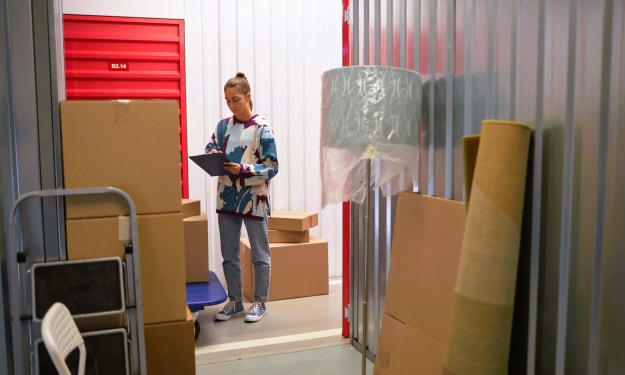
Disorganized storage units can quickly turn into chaotic spaces and waste valuable room. Many people rent storage units without carefully planning how to arrange their belongings, which often leads to clutter and potential damage. Learning creative ways to organize a storage unit for maximum space and better efficiency ensures that items remain safe, organized, and easy to access. With thoughtful planning and smart strategies, any storage unit can be transformed into a well-structured and highly functional space.
By Piper Burchabout a year ago in Lifehack
The Quarterly OKR Review: Getting the Most from Your Retrospectives
The end of an OKR cycle is not simply an administrative milestone where scores are recorded and new objectives are set. It is, or should be, the most valuable learning opportunity in the entire process. Yet many organisations rush through their quarterly reviews, treating them as a box-ticking exercise rather than the strategic conversation they deserve.
By Jane Smithh3 days ago in Lifehack
How to Get Promoted in a Remote Job
Remote work changed how we get hired. It also changed how we get promoted. In a traditional office, visibility is automatic. You’re seen walking in early. You’re seen staying late. You’re in meetings. You’re in the hallway conversations.
By Bahati Mulishi6 days ago in Lifehack



Comments
There are no comments for this story
Be the first to respond and start the conversation.