
Why Is Drainage Important for Resin Bound Surfacing?
Resin Bound Surfacing
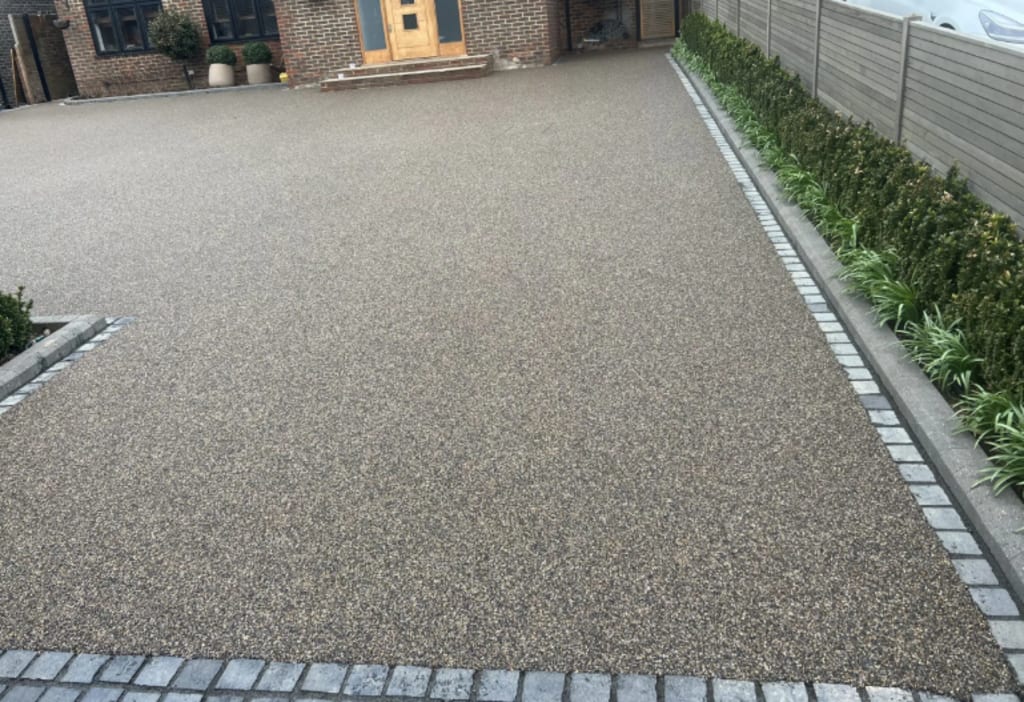
Resin bound surfacing has surged in popularity across the UK for driveways, patios, pathways, and commercial spaces. Its seamless, durable, and visually appealing finish, combined with a vast array of colour and texture options, makes it a go-to choice for homeowners and developers alike. However, one of its most critical features, often overlooked, is its drainage capability. Proper drainage is not just a technical detail; it’s a cornerstone of the functionality, longevity, and environmental impact of resin bound surfacing. In this article, we’ll explore why drainage is so vital for resin bound surfacing, diving into its benefits, compliance with regulations, environmental advantages, and practical considerations for installation.
What Is Resin Bound Surfacing?
Before delving into the importance of drainage, it’s worth understanding what resin bound surfacing is. Resin bound surfacing is a mixture of natural aggregates, such as gravel or stone, combined with a clear, UV-stable polyurethane resin. This mixture is trowel-applied to create a smooth, flat, and permeable surface. Unlike resin bonded surfacing, where aggregates are scattered onto a resin layer, resin bound surfaces fully encase the aggregates in resin, creating tiny gaps that allow water to permeate through. This permeability is key to its drainage capabilities and sets it apart from traditional surfacing materials like concrete or asphalt.
The Role of Drainage in Resin Bound Surfacing
Drainage is a fundamental aspect of resin bound surfacing, directly impacting its performance, safety, and compliance with regulations. Below, we explore the key reasons why effective drainage is so critical.
1. Compliance with Sustainable Urban Drainage Systems (SuDS)
One of the primary reasons drainage is essential for resin bound surfacing is its alignment with Sustainable Urban Drainage Systems (SuDS). SuDS are a set of techniques designed to manage rainwater in a way that mimics natural drainage processes, reducing the risk of flooding and pollution. In the UK, SuDS compliance is a legal requirement for many new developments, particularly in urban areas where traditional drainage systems are often overwhelmed by heavy rainfall.
Resin bound surfacing, when laid over a permeable sub-base like open-graded tarmac or porous concrete, allows water to pass through the surface and into the ground below. This reduces surface water run-off, which can otherwise overload sewers and contribute to flash flooding. Since 2008, UK regulations have stipulated that front gardens over 5 square metres must use permeable materials or obtain planning permission if impermeable surfaces are used. Resin bound surfacing’s permeability often eliminates the need for planning permission, making it a practical and compliant choice for homeowners.
2. Flood Prevention and Surface Water Management
The UK’s climate, with its frequent and sometimes heavy rainfall, makes effective water management crucial. Traditional impermeable surfaces like concrete or asphalt cause water to pool or run off, increasing the risk of flooding in urban areas. In contrast, resin bound surfacing’s porous structure allows water to drain naturally through the surface, significantly reducing puddles and standing water.
This permeability not only prevents flooding but also reduces the burden on local drainage systems. By allowing rainwater to infiltrate the ground, resin bound surfaces help recharge groundwater levels, which is vital in areas prone to drought. Additionally, the natural filtration process as water passes through the surface and sub-base can remove pollutants like oils and metals, improving water quality before it reaches streams or rivers.
3. Enhanced Safety Through Slip Resistance
Proper drainage enhances the safety of resin bound surfaces. Standing water on driveways or pathways can create slippery conditions, increasing the risk of slips and falls, particularly in wet or icy weather. The permeable nature of resin bound surfacing ensures that water drains quickly, reducing the likelihood of puddles or ice formation. This makes it an ideal choice for high-traffic areas like public footpaths, school playgrounds, or residential driveways, where safety is a priority.
For added slip resistance, some installers incorporate fine glass grit or sand into the resin mix or scatter it over the surface during curing. This enhances traction without compromising the surface’s aesthetic appeal or drainage capabilities.
4. Environmental Benefits
Resin bound surfacing’s drainage properties contribute significantly to its environmental credentials. Impermeable surfaces like concrete and asphalt collect pollutants such as oil, petrol, and brake dust, which are washed into drains during rainfall, contaminating watercourses and harming wildlife. In contrast, resin bound surfaces allow water to filter naturally through the sub-base, reducing pollution and protecting local ecosystems.
Moreover, many resin bound systems use locally sourced or recycled aggregates, further enhancing their sustainability. By reducing surface water run-off and supporting natural water filtration, resin bound surfacing aligns with the growing demand for eco-friendly construction solutions in the face of climate change and increased rainfall.
5. Longevity and Low Maintenance
Effective drainage directly impacts the durability and maintenance requirements of resin bound surfacing. Standing water can weaken traditional surfaces like concrete or asphalt, leading to cracks, potholes, or frost damage over time. Resin bound surfaces, with their ability to drain water efficiently, are less susceptible to these issues. The seamless, flexible nature of the material also resists cracking caused by freeze-thaw cycles, ensuring a longer lifespan—often exceeding 15–25 years with proper installation and care.
Maintenance is minimal, as the smooth, permeable surface prevents weed growth and the accumulation of debris. Occasional sweeping and light pressure washing are usually sufficient to keep the surface clean, saving homeowners time and money compared to traditional paving options.
6. Aesthetic and Practical Versatility
The drainage capabilities of resin bound surfacing do not compromise its aesthetic appeal. Available in a wide range of colours and aggregate blends, from modern greys to rustic golds, resin bound surfaces can be tailored to suit any property’s style. The seamless finish eliminates loose stones or uneven joints, providing a smooth, professional look that enhances curb appeal.
From a practical standpoint, the permeability of resin bound surfacing makes it suitable for a variety of applications, including driveways, patios, footpaths, car parks, and even pool surrounds. Its ability to handle water efficiently ensures it performs well in diverse settings, from residential gardens to large commercial plazas.
Installation Considerations for Optimal Drainage
To maximise the drainage benefits of resin bound surfacing, proper installation is crucial. Here are key considerations:
Permeable Sub-Base: The sub-base is critical for drainage. Open-graded tarmac, porous concrete, or Type 3 aggregate are ideal choices, as they allow water to pass through freely. If laid over an impermeable base like concrete, the surface must be laid to falls with additional drainage channels to direct water away.
Site Assessment: A thorough site evaluation is essential to identify potential drainage issues, such as soil type or topography. Heavy clay soils, for example, may require additional drainage solutions like soakaways or pipes to ensure water disperses effectively.
Correct Thickness: The thickness of the resin bound layer depends on its intended use—typically 12–18mm for footpaths and 18–24mm for driveways. Proper depth ensures both drainage and durability.
UV-Stable Resin: Using UV-stable polyurethane resin prevents discolouration and maintains the surface’s appearance over time, ensuring long-term drainage performance.
Professional Installation: Poor installation, such as uneven mixing or application in wet conditions, can compromise permeability and lead to issues like cracking or patchiness. Always ensure installers are experienced and follow industry best practices.
Resin Bound vs. Resin Bonded: A Key Distinction
It’s important to distinguish between resin bound and resin bonded surfacing, as the latter is not permeable. In resin bonded systems, aggregates are scattered onto a resin layer, creating an impermeable surface that requires additional drainage solutions like soakaways. Resin bound surfacing, with its fully mixed aggregate and resin, is the superior choice for drainage and SuDS compliance.
Conclusion
Drainage is a critical factor in the success of resin bound surfacing, offering a range of benefits from regulatory compliance to environmental sustainability and enhanced safety. Its permeable nature aligns with SuDS requirements, reduces flood risk, and supports natural water filtration, making it an eco-friendly choice for modern landscaping. Additionally, its ability to prevent standing water enhances safety and reduces maintenance, while its durability ensures a long-lasting, attractive surface.
Whether you’re considering resin bound surfacing for a driveway, patio, or commercial project, its drainage capabilities make it a standout choice in the UK’s often wet climate. By investing in proper installation and a suitable sub-base, you can enjoy a surface that combines functionality, sustainability, and aesthetic appeal for years to come.
Read more: What Maintenance Do Resin Bound Driveways Require Annually?
About the Creator
Neck Akila
My specialty is combining research-backed strategies to create marketing copy that resonates with readers and drives conversions
Keep reading
More stories from Neck Akila and writers in Lifehack and other communities.
What Maintenance Do Resin Bound Driveways Require Annually?
Resin bound driveways have surged in popularity across the UK, thanks to their sleek, modern aesthetic, durability, and low-maintenance qualities. These driveways, made from a mixture of natural aggregates and UV-stable resin, offer a permeable, smooth, and visually appealing surface that enhances kerb appeal. However, while resin bound driveways are often praised for requiring minimal upkeep, they are not entirely maintenance-free. To ensure they remain in pristine condition for their expected lifespan of 15–25 years, annual maintenance is essential. This comprehensive guide explores the annual maintenance requirements for resin bound driveways, offering practical tips to keep your driveway looking its best while addressing common issues like moss, stains, and wear. By following these steps, you can protect your investment and maintain a stunning driveway year-round.
By Neck Akila8 months ago in Lifehack
Why Oral Health Matters More Than You Think
Your mouth is one of the main gateways to your body. Everything you eat and drink passes through it first. When hygiene is neglected, harmful bacteria can grow quickly, forming plaque and irritating soft tissues. Over time, this can lead to inflammation, sensitivity, and infections that may even affect other parts of the body.
By Nenci Gajera about 23 hours ago in Lifehack


Comments
There are no comments for this story
Be the first to respond and start the conversation.