
What Maintenance Do Resin Bound Driveways Require Annually?
Resin bound driveways have surged in popularity across the UK

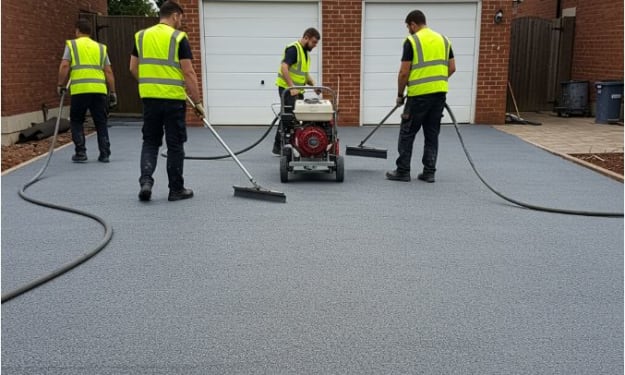
Resin bound driveways have surged in popularity across the UK, thanks to their sleek, modern aesthetic, durability, and low-maintenance qualities. These driveways, made from a mixture of natural aggregates and UV-stable resin, offer a permeable, smooth, and visually appealing surface that enhances kerb appeal. However, while resin bound driveways are often praised for requiring minimal upkeep, they are not entirely maintenance-free. To ensure they remain in pristine condition for their expected lifespan of 15–25 years, annual maintenance is essential. This comprehensive guide explores the annual maintenance requirements for resin bound driveways, offering practical tips to keep your driveway looking its best while addressing common issues like moss, stains, and wear. By following these steps, you can protect your investment and maintain a stunning driveway year-round.
Understanding Resin Bound Driveways
Before diving into maintenance, it’s helpful to understand what makes resin bound driveways unique. Unlike resin bonded surfaces, where aggregates are scattered over a resin layer, resin bound driveways involve mixing aggregates with resin before application, creating a seamless, permeable surface. This permeability, compliant with Sustainable Urban Drainage Systems (SuDS), allows water to drain through, reducing puddles and flood risks. The smooth, non-slip finish, combined with a variety of colour and texture options, makes resin bound driveways a favourite for homeowners seeking both functionality and style.
While these driveways are designed to be low-maintenance, neglecting them can lead to issues such as moss growth, discolouration, or cracking, particularly if the installation was substandard or the driveway experiences heavy use. Annual maintenance ensures longevity, preserves aesthetics, and prevents costly repairs. Below, we outline the key tasks required to maintain your resin bound driveway annually.
Annual Maintenance Requirements for Resin Bound Driveways
1. Regular Sweeping and Debris Removal
One of the simplest yet most effective maintenance tasks is regular sweeping to remove leaves, dirt, and other debris. Organic matter left on the surface can decompose, encouraging moss or algae growth, especially in shaded areas or during wet seasons.
How to do it: Use a stiff-bristled broom or a leaf blower to clear debris. Aim to sweep the driveway at least once a month, with more frequent cleaning during autumn when leaves are abundant. This task takes minimal effort and can be done quickly.
Why it matters: Preventing debris buildup keeps the surface clean and reduces the risk of moss or algae, which can make the driveway slippery. It also maintains the driveway’s permeability by ensuring drainage voids remain unblocked, supporting SuDS compliance.
2. Periodic Cleaning with a Pressure Washer
Resin bound driveways benefit from occasional cleaning to remove ingrained dirt, tyre marks, or light stains. A pressure washer is the most effective tool for this, but it must be used carefully to avoid damaging the resin surface.
How to do it: Use a pressure washer with a fan nozzle on a low-pressure setting (below 1500 psi) and keep the water temperature cool or warm—never hot, as boiling water can soften the resin. Sweep the nozzle in a consistent motion to avoid streaking or damage. Clean the driveway once or twice a year, ideally in spring or autumn, to refresh its appearance.
Why it matters: Regular cleaning restores the driveway’s aesthetic appeal, removes surface contaminants, and prevents grime buildup that could clog drainage voids. For lighter cleaning, a garden hose with a strong jet can work, but a pressure washer provides a deeper clean.
3. Stain Removal and Spill Management
Spills from oil, grease, or other substances can stain resin bound driveways, particularly lighter-coloured surfaces. Prompt action is crucial to prevent permanent marks.
How to do it: Clean spills immediately using a mild detergent (avoid harsh chemicals or solvents, as these can damage the resin) mixed with warm water. For stubborn stains like oil, use a specialised resin-safe cleaner or degreaser. Apply the cleaner, scrub gently with a soft brush, and rinse thoroughly. Check for missed spots during your annual cleaning routine.
Why it matters: Stains detract from the driveway’s appearance, and prolonged exposure to substances like oil can weaken the resin. Choosing darker aggregate colours can help mask minor stains, but quick action is the best defence.
4. Moss and Algae Prevention
Moss and algae can grow on resin bound driveways, particularly in shaded or damp areas. While the sealed surface resists weeds, moss and algae can still develop if organic material accumulates.
How to do it: Sweep regularly to prevent organic buildup. If moss or algae appears, remove it with a stiff broom or low-pressure wash. For persistent growth, apply a mild, resin-safe moss killer or specialised cleaner, following the manufacturer’s instructions. Treat the driveway once a year, ideally in early spring, to prevent regrowth.
Why it matters: Moss and algae can make the surface slippery, posing a safety hazard. Regular cleaning and good drainage practices reduce the likelihood of growth, keeping the driveway safe and attractive.
5. Inspecting for Damage
Resin bound driveways are durable, but cracks or loose aggregates can occur due to heavy traffic, poor installation, or subbase movement. Annual inspections help identify issues early.
How to do it: After cleaning, walk the driveway to check for cracks, loose stones, or worn areas. Pay attention to high-traffic zones or spots near tree roots, which can destabilise the subbase. Small repairs can be patched with a resin repair kit, but significant damage may require professional attention.
Why it matters: Early detection prevents minor issues from becoming costly repairs, such as replacing sections of the driveway or fixing the subbase. Regular checks ensure the driveway remains structurally sound.
6. Avoiding Harsh Chemicals and De-Icing Salts
In winter, homeowners may use de-icing salts or grit to prevent ice buildup. While resin bound driveways are frost-resistant due to their permeability, certain chemicals can harm the surface.
How to do it: Avoid harsh de-icing salts or chemical cleaners, as they can degrade the resin. If de-icing is necessary, use small amounts of rock salt, which is generally safe, and rinse the surface afterward to prevent residue buildup. Check the driveway annually for signs of chemical damage.
Why it matters: Harsh chemicals can compromise the resin’s integrity, leading to discolouration or surface breakdown. Proper care during winter ensures the driveway’s longevity.
7. Winter Maintenance Considerations
Resin bound driveways are well-suited to the UK’s climate, as their permeable nature reduces ice formation by allowing water to drain. However, snow and ice can still accumulate in extreme conditions.
How to do it: Clear snow with a plastic shovel to avoid scratching the surface. Use minimal rock salt if needed, and sweep away excess to prevent residue. Check drainage points to ensure they remain clear during heavy rain or snowmelt.
Why it matters: Proper winter maintenance prevents ice-related damage and ensures the driveway remains safe and functional year-round.
Additional Tips for Long-Term Care
Beyond annual tasks, a few proactive measures can enhance your driveway’s lifespan:
Use UV-Stable Resin: Ensure your driveway is made with UV-stable resin to prevent fading or yellowing due to sunlight exposure. This is especially important for lighter-coloured surfaces.
Avoid Heavy Loads: While resin bound driveways are durable, excessive weight from heavy vehicles can cause damage, particularly if the subbase is unstable. Limit heavy traffic where possible.
Professional Installation: Many maintenance issues stem from poor installation. Ensure your driveway is laid by an experienced professional with high-quality materials to minimise future problems.
Regular Inspections: In addition to annual checks, inspect the driveway after extreme weather events, such as heavy storms, to catch any immediate issues.
Common Resin Bound Driveway Problems and How to Avoid Them
Despite their durability, resin bound driveways can face issues if not maintained properly. Here are some common problems and how to prevent them:
Cracking: Caused by subbase movement or poor installation. Ensure a stable subbase during installation and inspect annually for early signs of cracks.
Discolouration: Non-UV-stable resin can fade or turn yellow. Always choose UV-stable resin and clean spills promptly to avoid staining.
Moss and Algae Growth: Shaded or damp areas are prone to growth. Regular sweeping and occasional moss-killer treatments prevent buildup.
Loose Aggregates: Poor mixing or installation can cause stones to loosen. Use high-quality materials and a reputable installer to ensure a strong bond.
Why Maintenance Matters
Proper annual maintenance not only keeps your resin bound driveway looking pristine but also extends its lifespan, potentially beyond 25 years. Neglecting these tasks can lead to costly repairs, reduced permeability, and a less appealing appearance. By investing a small amount of time and effort each year, you can protect your driveway’s functionality and aesthetic value, ensuring it remains a standout feature of your property.
Conclusion
Resin bound driveways are a fantastic choice for UK homeowners seeking a durable, low-maintenance, and stylish surfacing solution. Annual maintenance tasks—sweeping, pressure washing, stain removal, moss prevention, damage inspections, and careful winter care—keep the driveway in top condition. By following these steps and using resin-safe products, you can ensure your driveway remains permeable, safe, and visually appealing for decades. Regular care, combined with high-quality installation, makes resin bound driveways a cost-effective, long-term investment that enhances your home’s kerb appeal and functionality.
Learn more: What to Look for in Resin Driveway Installers in 2025
About the Creator
Neck Akila
My specialty is combining research-backed strategies to create marketing copy that resonates with readers and drives conversions
Keep reading
More stories from Neck Akila and writers in Lifehack and other communities.
What to Look for in Resin Driveway Installers in 2025
Resin driveways have surged in popularity across the UK, offering homeowners a stylish, durable, and low-maintenance alternative to traditional paving options. As we move into 2025, the demand for high-quality resin driveway installations continues to grow, driven by advancements in eco-friendly materials, innovative designs, and enhanced durability. However, the success of your resin driveway project hinges on choosing the right installer. With countless companies vying for your business, how do you separate the exceptional from the mediocre? This comprehensive guide explores what to look for in resin driveway installers in 2025, ensuring your investment delivers a stunning, long-lasting result.
By Neck Akila10 months ago in Lifehack
How to Get Promoted in a Remote Job
Remote work changed how we get hired. It also changed how we get promoted. In a traditional office, visibility is automatic. You’re seen walking in early. You’re seen staying late. You’re in meetings. You’re in the hallway conversations.
By Bahati Mulishi5 days ago in Lifehack


Comments
There are no comments for this story
Be the first to respond and start the conversation.