
Why is Cold Pressed Oil More Expensive Than Refined Oil?
Cold Pressed Oils

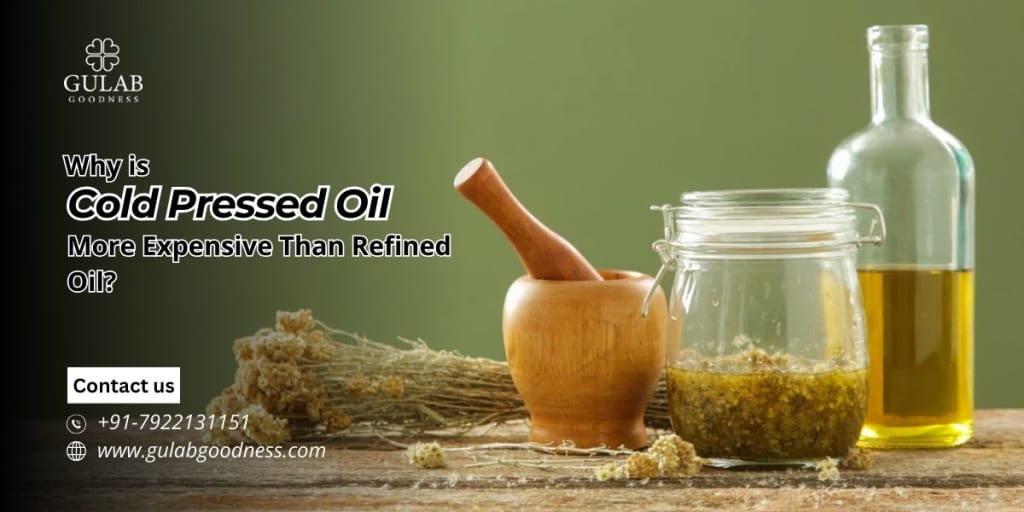
In recent years, there has been a growing demand for healthier and more natural food products, and oils are no exception. Among the various types of oils available, cold pressed oils like cold pressed extra virgin coconut oil, cold pressed coconut oil, cold pressed groundnut oil, and cold pressed sesame oil have gained significant popularity. However, these oils often come with a higher price tag compared to their refined counterparts. But why is cold pressed oil more expensive than refined oil? Let’s explore the reasons behind this price difference.
1. Production Process: Labor-Intensive and Time-Consuming
Cold pressed oils are extracted using a traditional method that involves crushing oilseeds or nuts at low temperatures, typically below 120°F (49°C). This process retains the natural flavor, aroma, and nutritional value of the oil. However, it is a slow and labor-intensive process that requires careful handling to avoid heat generation, which can degrade the oil’s quality.
In contrast, refined oils are produced using high-temperature mechanical extraction and chemical solvents, which are faster and more efficient. The refining process also involves bleaching and deodorizing, which strip away impurities but also remove many of the oil’s natural nutrients and flavors. The simplicity and speed of refining make it a cheaper option.
2. Lower Yield of Oil
The cold pressing method yields less oil compared to refined oil production. Since no heat or chemicals are used to maximize extraction, a significant amount of oil remains trapped in the seeds or nuts. This lower yield means that more raw materials are needed to produce the same amount of oil, driving up the cost.
Refined oils, on the other hand, use high-pressure and chemical solvents to extract almost every drop of oil from the raw materials, resulting in a higher yield and lower production costs.
3. Preservation of Nutrients and Quality
Cold pressed oils are prized for their nutritional benefits. They retain essential vitamins, minerals, antioxidants, and healthy fats that are often lost during the refining process. For example, cold pressed extra virgin coconut oil is rich in medium-chain triglycerides (MCTs), while cold pressed sesame oil is packed with antioxidants like sesamol and sesamin.
The preservation of these nutrients requires careful handling and storage, which adds to the overall cost. Refined oils, while cheaper, lack these nutritional benefits due to the harsh processing methods used.
4. No Chemical Additives
Cold pressed oils are 100% natural and free from chemical additives, preservatives, or solvents. This makes them a healthier choice for consumers but also increases production costs. Refined oils often contain traces of chemicals used during extraction and processing, which makes them cheaper to produce but less desirable for health-conscious buyers.
5. Small-Scale Production
Many cold pressed oils are produced by small-scale manufacturers or artisanal producers who prioritize quality over quantity. These producers often use organic or high-quality raw materials, further increasing the cost. In contrast, refined oils are typically mass-produced in large facilities, benefiting from economies of scale that reduce costs.
6. Market Demand and Perception
The growing awareness of the health benefits of cold pressed oils has led to increased demand. Oils like cold pressed groundnut oil and cold pressed sesame oil are now seen as premium products, and their prices reflect this perception. Consumers are willing to pay more for oils that are natural, nutritious, and free from harmful chemicals.
7. Packaging and Shelf Life
Cold pressed oils are more delicate and have a shorter shelf life compared to refined oils. They require careful packaging, often in dark glass bottles, to protect them from light and heat, which can cause rancidity. This specialized packaging adds to the cost. Refined oils, with their longer shelf life and less sensitive nature, can be packaged in cheaper materials like plastic.
Conclusion
While cold pressed oils are more expensive than refined oils, their higher cost is justified by the superior quality, nutritional value, and natural production methods. For health-conscious consumers, the benefits of cold pressed oils far outweigh the price difference, making them a worthwhile investment in long-term well-being.
Brands like Gulab Goodness have embraced this commitment to quality by offering premium cold pressed oils that retain their natural goodness and nutritional benefits. As the demand for natural and healthy food options continues to rise, cold pressed oils from trusted brands like Gulab Goodness are likely to remain a premium choice for those seeking both flavor and nutrition in their cooking oils.
About the Creator
Jenny clinton
Gulab Goodness is an extension of the Gulab brand, a name trusted by millions of people in Gujarat, Rajasthan, Maharashtra, and Madhya Pradesh. Our mission is to provide the best and 100% pure products to our consumers
Keep reading
More stories from Jenny clinton and writers in Lifehack and other communities.
7 Reasons to Have Cold Pressed Groundnut Oil in Your Pantry
Cold pressed groundnut oil, also known as peanut oil, is a natural treasure that offers incredible health benefits and versatile uses in the kitchen. It is extracted using a traditional method without heat or chemicals, ensuring the oil retains its nutrients and natural flavor. If you're searching for the best cold pressed groundnut oil, you're likely prioritizing health and quality for your family. Here are seven compelling reasons why cold pressed groundnut oil deserves a permanent spot in your pantry.
By Jenny clintonabout a year ago in Journal
You Won't Believe How Easy it is to Get 100,000 Miles Between Brake Jobs
Most drivers are destroying their brakes prematurely — and it has nothing to do with speed. As a Master Mechanic for 25 years, I’ve seen every driving style imaginable. And nothing reveals a driver’s habits faster than how often they need brake work.
By Jack Martin3 days ago in Lifehack




Comments (1)
This is a well researched and insightful blog highlighting the true value of cold pressed oils! The detailed breakdown of the production process, nutritional benefits, and market demand makes it clear why these oils are worth the investment. For those looking to incorporate pure and chemical-free oils into their daily cooking, Clover Nature Mills offers a premium selection of cold-pressed oils, including coconut, sesame, groundnut, and extra virgin olive oil. With a commitment to natural extraction methods and superior quality, Clover Nature Mills ensures that every drop of oil retains its nutritional goodness. https://clovernaturemills.com/product-category/organic-oils/