
Why Europeans Eat Dinner So Late (And Why It’s Better)
The Culture Clash Over Meal Times

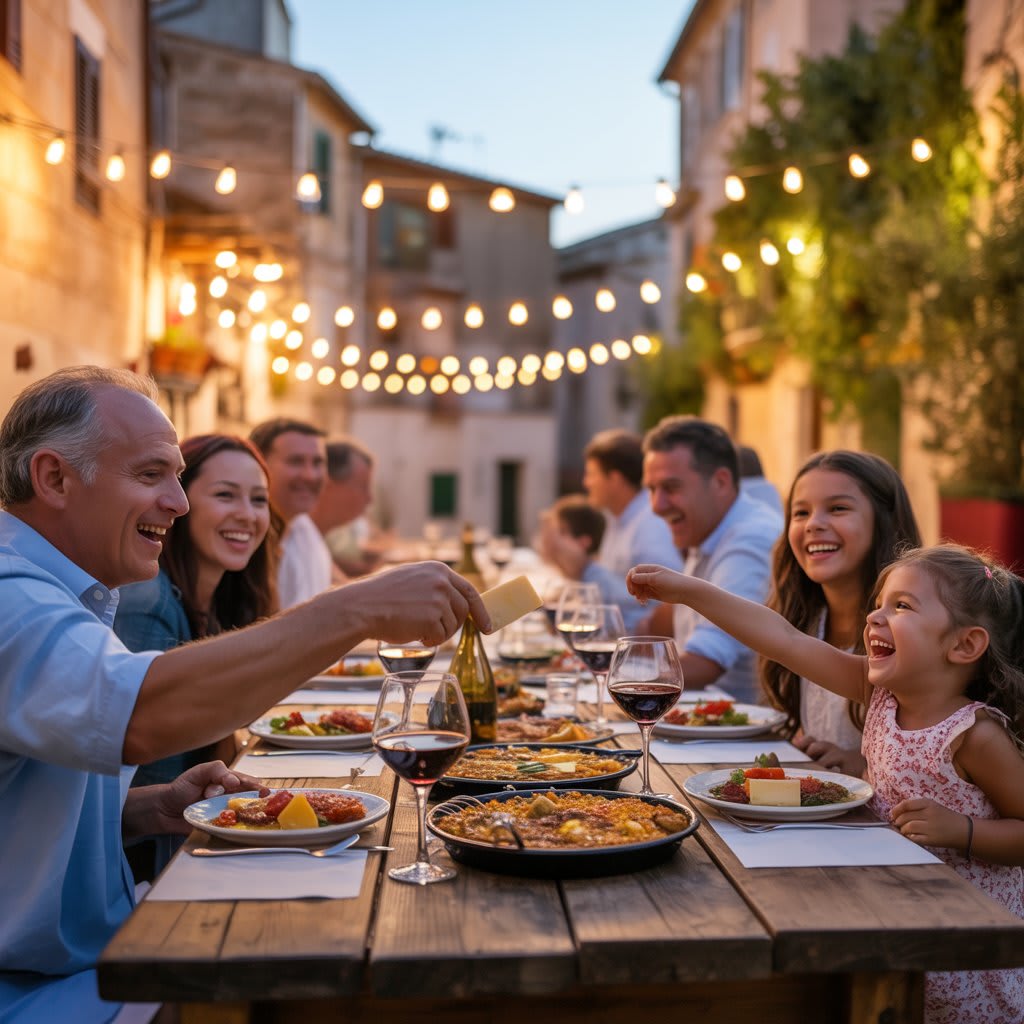
If you’ve ever traveled to Spain, Italy, or Greece, you might have been shocked to find restaurants empty at 7 PM only to be packed at 10 PM. While Americans and Northern Europeans typically eat dinner between 6-8 PM, Southern Europeans often dine as late as 9-11 PM.
At first glance, this seems inconvenient. But after living in Spain for years, I discovered there’s a brilliant logic and surprising health benefits behind late European dinners.
Here’s why it works so well and why you might want to try it.
1. The Sun Sets Later (So Life Moves Later)
The Geographic Factor
- Southern Europe (Spain, Italy, Greece) sits farther west in their time zones, meaning sunset is much later—often after 9 PM in summer.
- Eating late aligns with natural light. Why eat dinner at 6 PM when the sun’s still blazing?
The Social Rhythm
- In warmer climates, people avoid the midday heat with a long break (siesta culture).
- Workdays stretch later, so dinner shifts later too.
Compare:
- 🇺🇸 New York – Sunset at 8:30 PM → Dinner ~6-7 PM
- 🇪🇸 Madrid – Sunset at 9:45 PM → Dinner ~9-10 PM
2. It’s Better for Digestion (Yes, Really)
The Science of Late Eating
- Many believe eating late causes weight gain, but studies in Mediterranean cultures show the opposite.
- The key? What and how you eat matters more than when.
Why It Works in Europe
- Europeans walk more after dinner (evening paseo culture).
- Meals are lighter at night (less heavy meat, more fish/vegetables).
- They don’t snack before bed dinner is the last meal.
Fun Fact: Spaniards have lower obesity rates than Americans, despite eating later.
3. Dinner Is a Social Event (Not Just Fuel)
The American Approach
- Dinner = quick refueling between activities.
- Often eaten in front of the TV or alone.
The European Approach
- Dinner = the main social event of the day.
- Multiple courses, wine, and hours of conversation.
- No rushing meant to unwind, connect, and enjoy.
Result: Lower stress levels and stronger community bonds.
4. The "Second Wind" Productivity Hack
- The After-Dinner Energy Surprise
- Many Northerners crash after an early dinner.
- Southern Europeans stay active late walking, socializing, even working.
Why It Works
- Eating later delays melatonin release, keeping you alert.
- A post-dinner stroll (common in Italy, Spain) aids digestion and energy.
Try It: Push dinner back by 30 mins each night see if you feel more energetic.
5. How to Adopt a European Dinner Schedule (Without Starving)
Step 1: Adjust Lunch
- Eat a larger, protein-rich lunch (2-3 PM) to avoid evening hunger.
Step 2: Add a Merienda (Snack)
- Around 6-7 PM, have a light snack (fruit, nuts, yogurt) to bridge the gap.
Step 3: Make Dinner Lighter
- Focus on vegetables, fish, and slow carbs (not heavy meats or fried food).
Step 4: Walk After Eating
- Even 10 minutes helps digestion and mimics the European paseo.
Conclusion: Late Dining Isn’t Weird It’s Wisely Designed
Europe’s late dinners aren’t just tradition they’re a smart adaptation to climate, social life, and biology. While it might not work for everyone, there’s a reason this system has thrived for centuries.
Want to try it? Start with one late dinner a week and see how you feel. You might just find yourself more relaxed, more social, and sleeping better.
About the Creator
Imdad Ullah Chemist
I write bold, relatable, and inspiring true-life stories that explore failure, fortune, career pivots, and online success all without the fluff.
Keep reading
More stories from Imdad Ullah Chemist and writers in Lifehack and other communities.
AI Is Coming for Our Jobs Should We Be Scared?
Artificial Intelligence is no longer science fiction. From ChatGPT writing articles to Midjourney creating stunning artwork, AI is rapidly transforming industries. This technological revolution has sparked a growing fear:
By Imdad Ullah Chemist8 months ago in Chapters
How to Recover Your Instagram Account: The Complete 2026 Guide
Losing access to your Instagram account can feel like being locked out of a digital life. With billions of users and accounts increasingly targeted by hackers, knowing exactly how to react is crucial. Whether you’ve been hacked, forgotten your password, or had your account disabled, this comprehensive guide walks you through every official recovery method. We base our advice on Instagram's official help resources and cybersecurity experts to ensure you can regain access quickly and secure your profile for the future.
By Alexander Hoffmanna day ago in Lifehack


Comments
There are no comments for this story
Be the first to respond and start the conversation.