
Why Cockroach Infestations Start in Kitchens — And How to Stop Them
Discover why your kitchen is a cockroach magnet—and the steps you can take to keep these pests out for good.
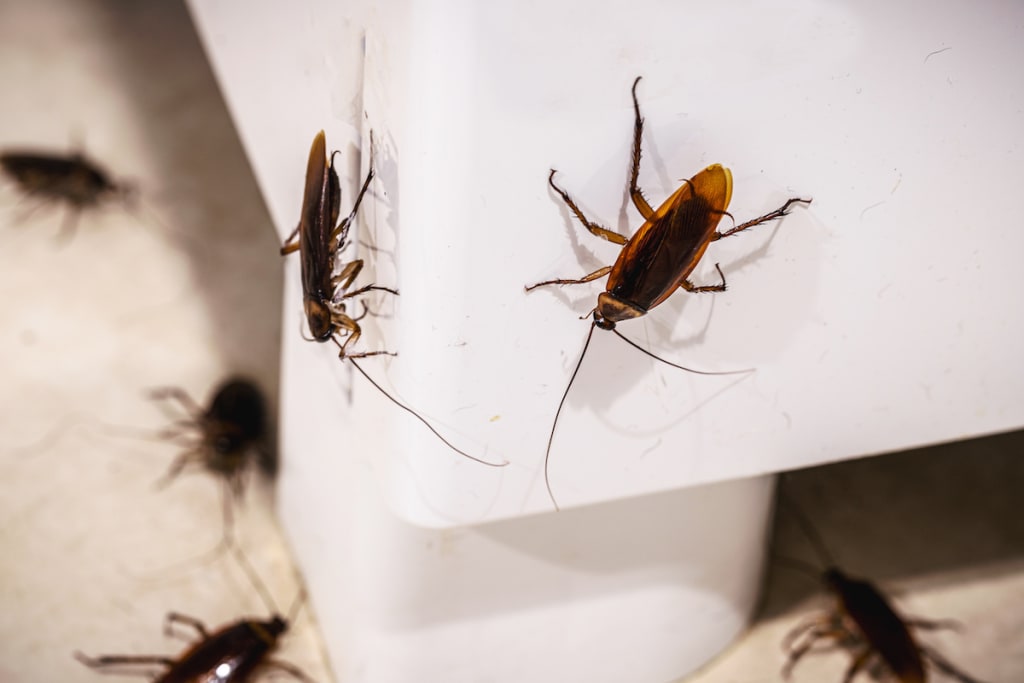
No one wants to flip on the kitchen light and see a cockroach dart across the counter. But for many households, the kitchen is exactly where infestations begin—and where they quietly grow out of control. Understanding why cockroaches love your kitchen and what you can do to stop them is the first step in keeping your home clean, safe, and pest-free.
Why Kitchens Attract Cockroaches
Kitchens offer the perfect storm of conditions for cockroaches: warmth, moisture, food, and hiding spaces. Even the cleanest kitchens can unintentionally provide everything these pests need to thrive.
Food crumbs and grease: Even small spills or crumbs under the fridge are enough to feed a cockroach colony.
Moisture: Leaky pipes, wet dishcloths, or condensation under appliances create a water source roaches rely on.
Clutter and dark spaces: Cardboard boxes, stacked paper bags, or gaps behind cabinets make excellent hiding spots.
Warmth: The heat from appliances like ovens and refrigerators creates an ideal environment for cockroaches to multiply.
They’re nocturnal, fast-breeding, and resilient. This means a single sighting during the day often indicates a larger problem brewing behind the scenes.
Signs You Might Have an Infestation
Not sure if you're dealing with an early infestation or just the occasional bug? Here are a few common signs:
Droppings that resemble coffee grounds or black pepper
Egg casings (called oothecae) in cabinet corners or behind appliances
Unusual smells, such as a musty or oily odour
Smear marks on horizontal surfaces or wall junctions
Live sightings, especially during the day, which usually points to a large infestation
Spotting even one of these signs should prompt action—cockroaches breed fast and can quickly become a major health risk.
Why DIY Doesn’t Always Cut It
There are plenty of sprays, traps, and gadgets that promise to get rid of cockroaches, but DIY solutions often fail to reach the root of the problem.
Cockroaches hide deep in cracks, walls, and plumbing voids where store-bought treatments can’t reach. Surface-level fixes might kill a few roaches, but they won’t eliminate eggs, colonies, or hidden pathways. Even worse, cockroaches can develop resistance to common over-the-counter treatments.
So while DIY might seem like a budget-friendly first step, it often leads to frustration and recurring infestations.
Long-Term Prevention Strategies
You don’t have to live in fear of flicking on your kitchen light. Prevention is key, and a few practical steps can drastically reduce your risk of attracting cockroaches in the first place:
1. Seal Entry Points
Caulk cracks along walls, behind cabinets, and around plumbing. Roaches only need tiny gaps to enter—and once they’re in, they rarely leave on their own.
2. Fix Leaks Quickly
Dripping pipes under the sink or behind appliances are open invitations. Keep your kitchen dry and use a dehumidifier in humid seasons.
3. Store Food Properly
Avoid open cereal boxes, snack bags, or uncovered pet food bowls. Use airtight containers and clean up crumbs and spills right away.
4. Declutter Cabinets and Pantry
Roaches love dark, undisturbed areas. Limit clutter and do a monthly sweep of your cabinets to remove expired food or unused boxes.
5. Clean Under Appliances
Don’t forget the hidden spots under the fridge, oven, or dishwasher. Regularly vacuum and wipe these areas to avoid buildup.
When to Call the Experts
If you've seen more than one cockroach—or spotted droppings or egg casings—it's time to stop the problem at the source. That’s where professional help makes a difference.
Unlike store-bought treatments, professional pest control services can identify the specific cockroach species, locate nesting areas, and use targeted solutions that eliminate the entire colony—not just the visible bugs.
If you’re dealing with an ongoing issue, we recommend turning to trusted professionals who specialize in effective and safe cockroach treatment. A professional approach ensures the infestation is handled fully, and your kitchen remains a safe and healthy space.
Final Thoughts
Kitchens are the heart of the home—and unfortunately, one of the most common starting points for cockroach infestations. With their access to food, warmth, and moisture, it’s no surprise these pests make themselves comfortable behind your cabinets and appliances.
Prevention goes a long way, but once you see signs of a deeper problem, don’t wait. DIY solutions often miss the hidden nests and eggs that allow cockroach colonies to rebound.
About the Creator
Twiddling Your Thumbs: A Simple Habit That Offers Surprising Mental Health Benefits
Thumb twiddling has emotional benefits “Twiddling your thumbs” is an expression that means someone is doing nothing while passing the time away, or they are feeling bored or waiting. The phrase suggests wasting time or idleness but this simple repetitive motion of interlocking fingers and moving the thumbs together in a circular pattern is a self-soothing behavior that psychologists recognize as potentially beneficial for mental health well-being.
By Cheryl E Prestonabout 17 hours ago in Lifehack



Comments
There are no comments for this story
Be the first to respond and start the conversation.